Measure the old part before asking for a quote
The most important step when replacing a CNC ball screw in the UK is measuring the old part. Even without the original drawing, an accurate measurement is enough to order a replacement.
- Shaft diameter: the main screw body diameter, such as 16 mm, 20 mm, or 25 mm.
- Overall length and working travel: the full length and the range the nut can move.
- Lead: how far the nut moves in one revolution, such as 5 mm, 10 mm, or 20 mm.
- End machining: journal, thread, and shoulder dimensions on the fixed and support sides.
- Nut flange hole spacing: flange hole diameter and center distance.
The method is in how to measure a replacement ball screw. Overall length alone is not enough — for why, see why overall length is not enough.
One misconception worth clearing up here: a ball screw has no voltage rating. If the same repair also covers the motor, drive or the whole control retrofit, send the motor details separately — they change the selection (load, acceleration, lead) but they are not a screw dimension.
Ordering without a drawing
Many UK users do not have the original drawing, only the old part. Send photos and the measurements above, and the supplier can match the end machining from the real part. Photos should include end close-ups, the flange face, and the length measurement.
One log per end beats a pile of photos: from the end face to the threaded section, record each step's diameter, length and function, and shoot the photos in the same order.
RFQ submission points
- Machine brand and model to help identify the original specification.
- Old-part measurements and photos.
- Expected lead time; note urgent repair cases clearly.
- Quantity and packing requirements: single piece or batch, export packing.
- Whether an inspection report is needed, and in which language.
Lead time and shipping
Export to the UK follows the standard process: rust-prevented finished screws are packed in wooden or carton boxes with packing list and invoice. Lead time depends on stock, end machining workload, and sea or air freight choice.
Transit can be estimated like this: standard rolled C7 ships in about 3–7 days depending on machining volume and difficulty, and a ground part from a drawing in about 35–60 days; after that, air freight usually reaches a UK port inside a week, and sea freight is counted in weeks. Solid-wood packing needs ISPM 15 heat treatment or fumigation, while plywood is normally exempt. Customs declares the part as a mechanical transmission component; the exact HS code and duty rate sit with your customs broker.
FAQ
How long does delivery to the UK take? It depends on end machining workload and the shipping method; air freight is much faster than sea freight. Note the expected date in the RFQ and we will confirm from stock and machining schedule.
Is the measurement still accurate if the old part is worn? Bearing seats and flange hole spacing are usually stable and can be measured directly. If the thread or journal shows obvious wear, also provide the machine brand and model to verify the original specification.
Is CE marking or certification needed? A ball screw as a machine component normally does not carry unit-level certification. If your customer or the machine builder requires paperwork, say so on the order and we provide material or inspection records as needed.
Next step
Turn this guide into an RFQ
When the specification direction is clear, send the details below together with quantity, lead time, and packing requirements.
Include these details
- Old-part overall length, thread length, diameter, lead, and nut style.
- Full old-part photos, both end details, nut flange, and mounting-hole photos.
- Machine use, whether it is a like-for-like replacement, quantity, and lead time.
Category
Related Technical Guides
Continue with similar buyer questions
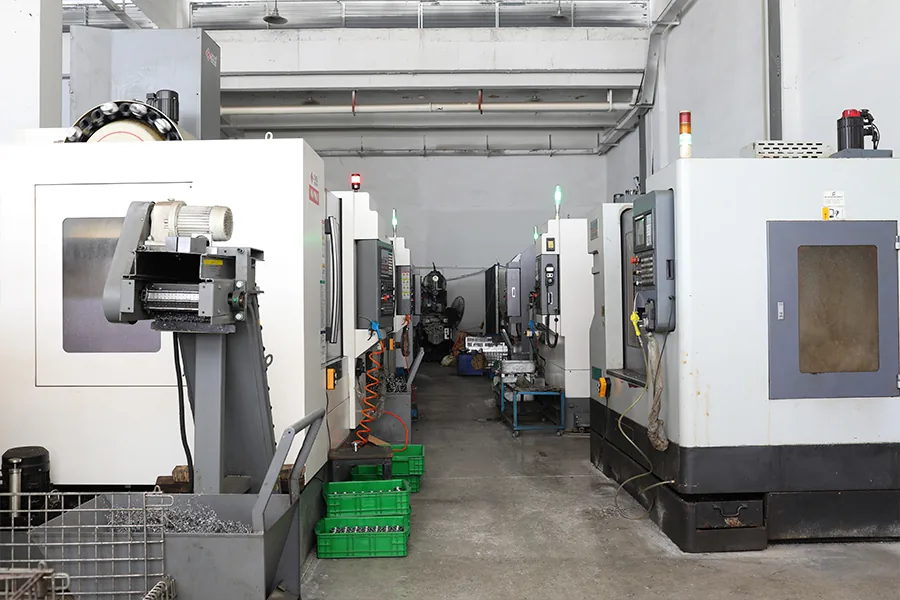
Ball Screw Replacement for Woodworking CNC Machines
A repair checklist for woodworking CNC buyers before replacing ball screws.
Send woodworking CNC replacement details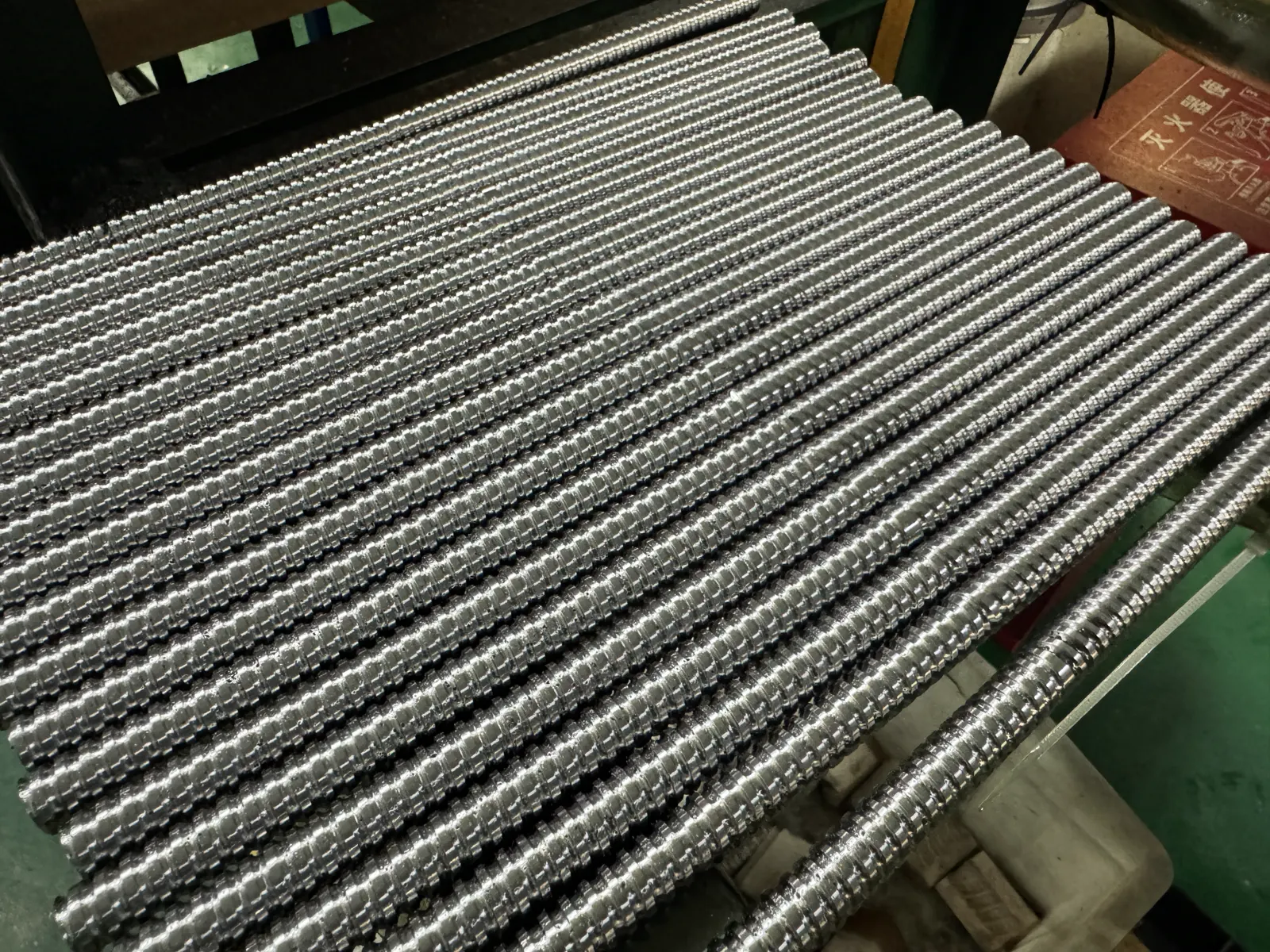
What to Confirm Before Replacing a Ball Screw in CNC Repair
CNC repair replacement should not be ordered by model number alone because axis, travel, end machining, and old part photos affect installation fit.
Send CNC repair replacement details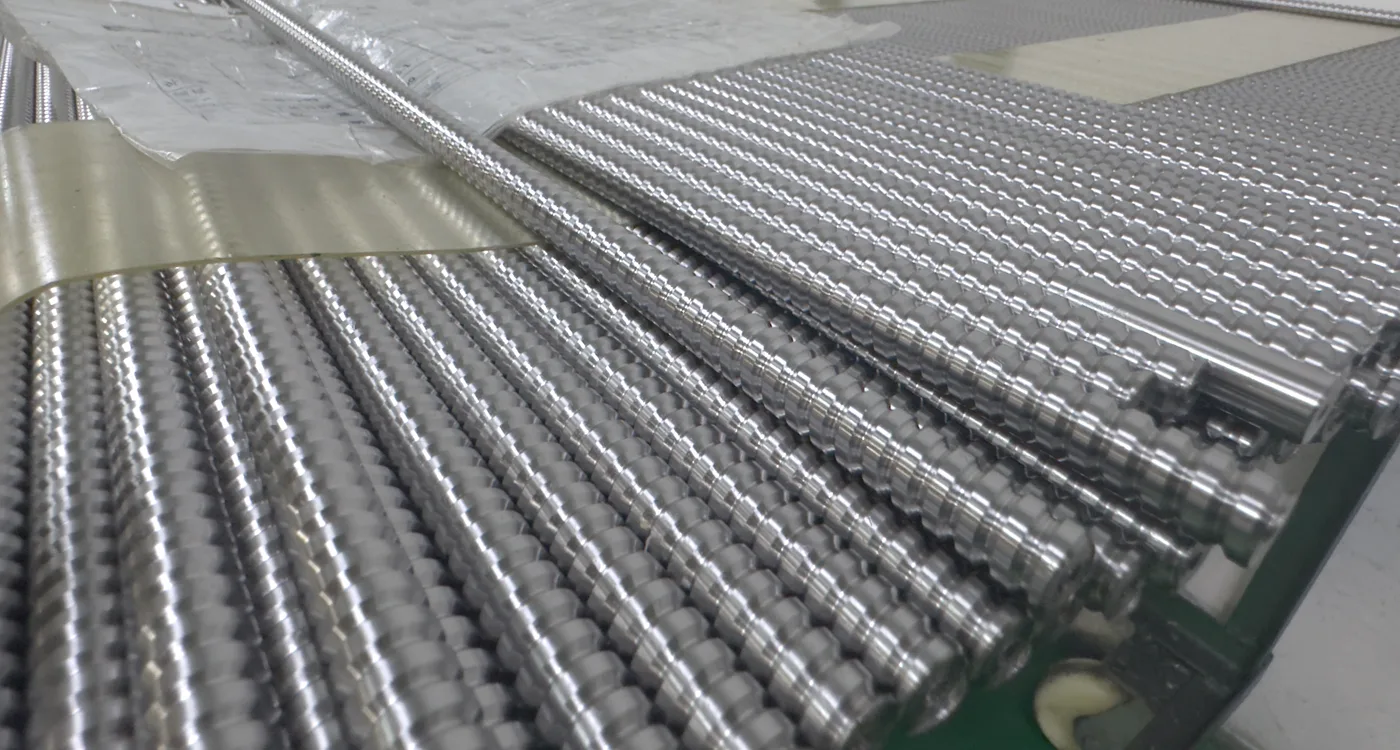
Replacement Ball Screw: Why Overall Length Alone Is Not Enough
Overall length is only one dimension. Thread length, end machining, and installation positions decide whether the replacement fits.
Send replacement installation dimensions