Confirm the machine axis first
When replacing a ball screw in CNC repair, confirm the axis before the model. X, Y and Z axes can differ in travel, load, mounting space and end machining, and the same machine brand or screw diameter does not make them interchangeable.
One difference is easy to miss: the Z axis is vertical. Beyond thrust, it has to handle the drop risk when power is cut, through a brake or a counterweight — a ball screw does not self-lock. Replacing only the screw without checking the brake leaves a safety gap.
Read travel and overall length together
Record overall length, thread length, working travel, both end lengths and the nut position. Overall length alone hides bearing seats, the coupling end and nut travel, which is how a replacement misses the original working range. For that specific risk, see why a replacement cannot be quoted by overall length alone.
Write the relationship down: thread length ≥ working travel + nut length, and overall length minus both machined ends is the usable zone.
Application decision table
| CNC repair situation | What to check first | RFQ risk if missing |
|---|---|---|
| X or Y axis replacement | Travel, overall length, thread length, support unit | Stroke may change after installation. |
| Z axis replacement | Load, brake, drop risk, nut style | Vertical safety and thrust margin may be wrong. |
| Old screw is worn | Measure unworn section and send old part photos | Worn dimensions may mislead end machining. |
| Machine is urgent | End machining drawing, coupling side, delivery target | Fast quotation still needs fit-critical dimensions. |
Old-part photos must cover installation information
Old-part photos should include the full screw, both ends, front and side views of the nut, flange, mounting holes, marking text, wear positions, and measurement positions. Photos help judge structure, but they still need dimensions and machine information.
End machining and support unit decide whether it fits back
End machining needs the fixed side, support side, bearing journals, lock thread, keyway, retaining groove, and coupling end confirmed. Support unit models such as BK/BF, FK/FF or EK/EF belong in the RFQ, and the bearing and locking arrangement should be photographed when the old part comes off. See the end machining drawing checklist.
Nut style and accuracy belong in the same message
Nut style covers single nut, double nut, flange direction, oil hole position, and mounting hole positions. Accuracy, backlash or preload should be stated against the machine's use: a repair does not need the highest grade, but it must hold the original positioning and stability.
The rule is match the original requirement. If the machine was specified at rolled C7, moving to C5 does not improve it and adds lead time; if the machine genuinely needs high accuracy, a small lead with a loose nut will not deliver it either. For the grade choice, see C5 vs C7.
RFQ checklist
- CNC repair details: machine type, brand or model, axis, travel, urgency, and quantity.
- Screw data: diameter, lead, overall length, thread length, both end lengths, and working travel.
- Old part photos: full screw, both ends, nut, flange, mounting holes, marking text, and measurement positions.
- End machining: fixed side, support side, bearing journals, lock thread, keyway, retaining groove, and coupling end. See the end machining drawing checklist.
- Assembly needs: support unit model, nut style, accuracy, backlash or preload, packing, and target delivery time.
- For a vertical axis, add the brake or counterweight arrangement.
Send us the repair evidence
Send weimute the old part photos, axis information, measured dimensions, and delivery target together. Our manufacturing and sales team will identify missing dimensions, suggest whether a standard, bar-stock, or custom end-machined route is suitable, and return a quotable RFQ list.
FAQ
Can CNC repair start without a drawing? Yes, but the RFQ must include old part photos, measured dimensions, support unit information, and machine use. See how to prepare an RFQ with only old part photos.
Is the highest accuracy always needed? No. The replacement should match the original machine requirement; accuracy, preload, and backlash should be chosen by use case rather than price alone.
What if the machine is down and the order is urgent? Standard rolled C7 runs about 3–7 days depending on machining volume and difficulty, far faster than a ground part from a drawing. For urgent jobs, confirm first that the fit-critical dimensions are complete — missing dimensions are usually what actually delays the order.
Next step
Turn this guide into an RFQ
When the specification direction is clear, send the details below together with quantity, lead time, and packing requirements.
Include these details
- Old-part overall length, thread length, diameter, lead, and nut style.
- Full old-part photos, both end details, nut flange, and mounting-hole photos.
- Machine use, whether it is a like-for-like replacement, quantity, and lead time.
Category
Related Technical Guides
Continue with similar buyer questions
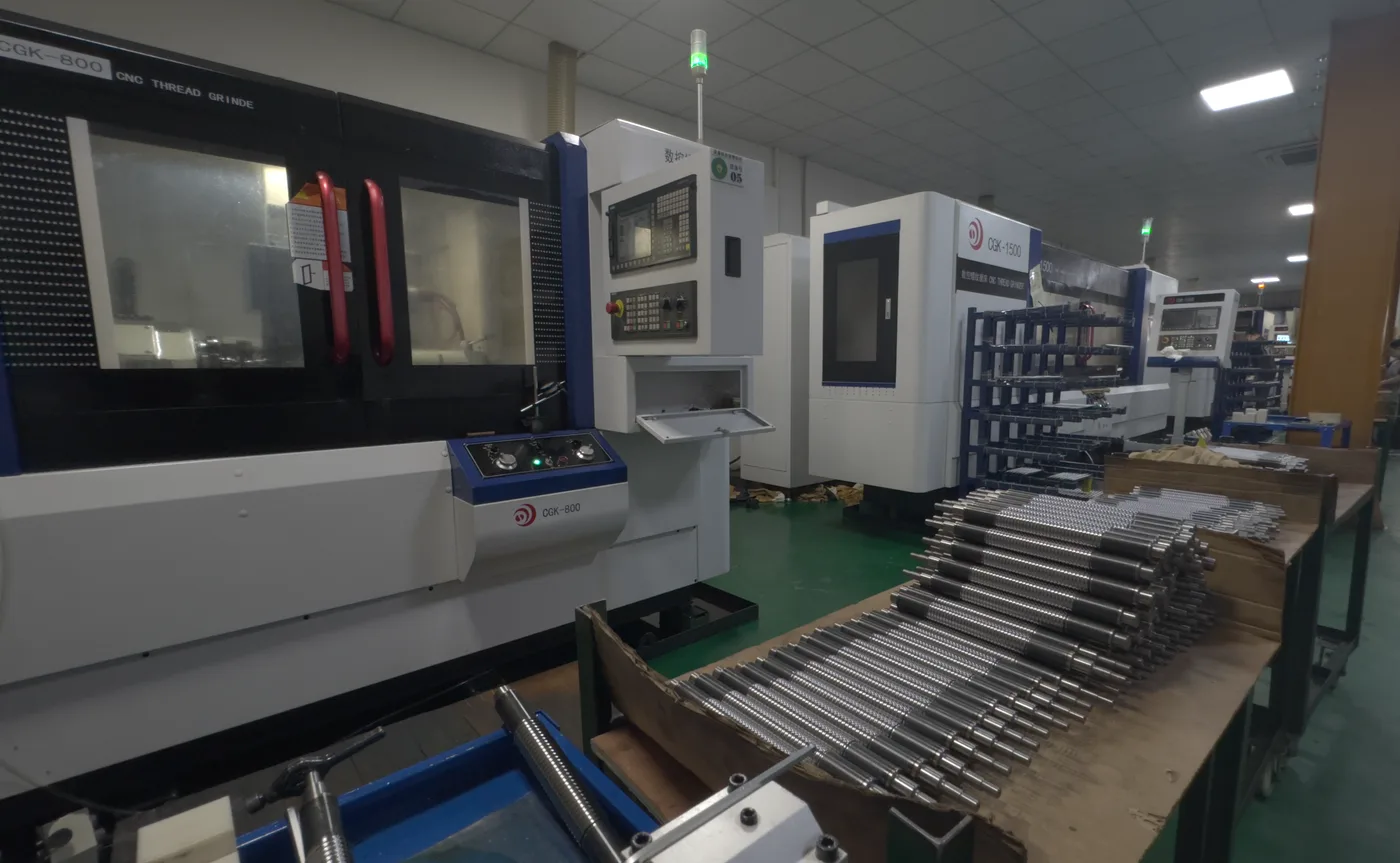
How to Prepare a Ball Screw RFQ When You Only Have Old Part Photos
Old-part photos can start the RFQ, but they must be paired with key dimensions and installation details so quotation is not guesswork.
Send old-part photo RFQ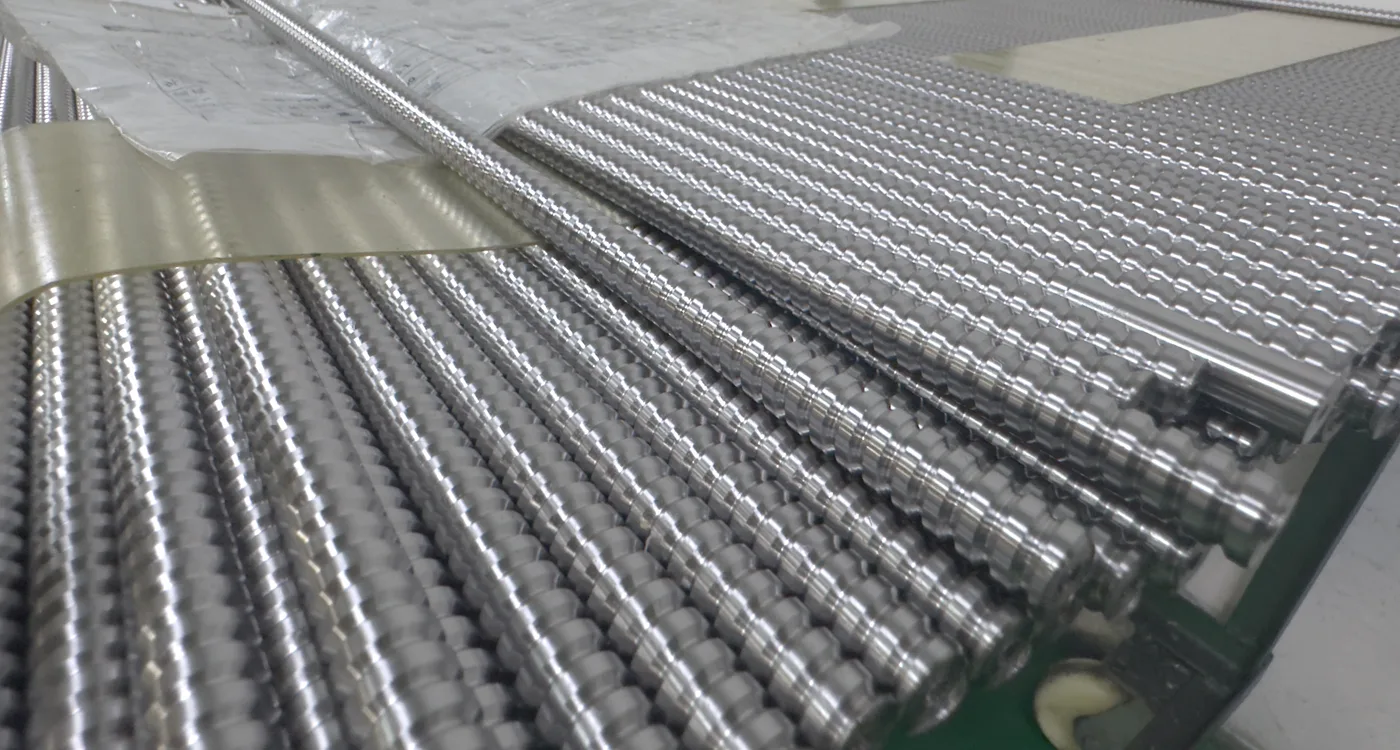
Replacement Ball Screw: Why Overall Length Alone Is Not Enough
Overall length is only one dimension. Thread length, end machining, and installation positions decide whether the replacement fits.
Send replacement installation dimensions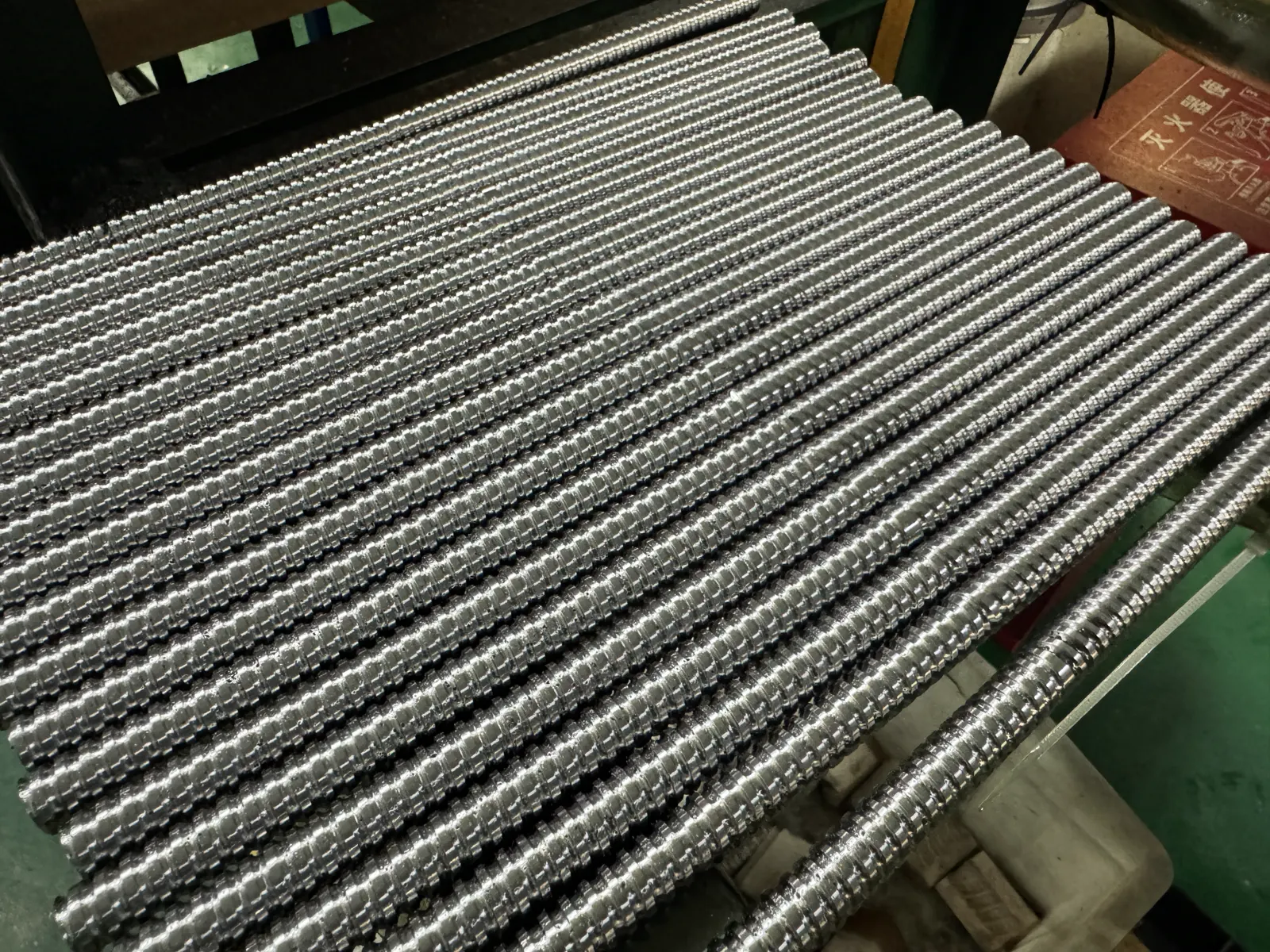
How to Measure a Replacement Ball Screw: 6 Dimensions
Record diameter, lead, overall length, travel, and end steps before sending old-part photos or samples.
Send replacement dimensions