The short answer
C7 and C5 are accuracy grades. They come from standards such as ISO 3408-3 and JIS B1192, and they limit one thing: the lead error of the screw — how far the nut actually travels compared with the commanded rotation. The grade says nothing about diameter, lead, or thread length.
So the order of decisions is simple. Start with C7 when the drawing and the machine do not require C5. Move to C5 when the absolute positioning or accumulated lead error budget is tighter, when accumulated error over a long travel eats the positioning budget, or when the drawing already names the grade. Repeat positioning is a separate line: it depends mainly on preload, axial clearance, support stiffness and the control system rather than on the grade itself.
| Decision point | C7 (usually rolled) | C5 (usually ground) |
|---|---|---|
| Accuracy grade | Accumulated lead error on the order of 0.05 mm per 300 mm | On the order of 0.023 mm per 300 mm |
| Thread process | Cold-rolled between dies, then heat treated | Roughed out, heat treated, then finish ground |
| Nut fit | Light preload or a small clearance | Normally preloaded, near-zero axial clearance |
| Where it fits | Packaging machines, woodworking CNC, repair work, distributor stock | Precision machining centres, grinders, measuring and inspection equipment, semiconductor handling, medical stages |
| Supply and lead time | Standard lengths stocked (bar stock 4–6 m by model); ships in about 3–7 days | Made to order; production runs about 35–60 days |
| RFQ focus | Diameter, lead, overall length, nut, end machining | Grade, preload, inspection report, drawing tolerance |
Note: the 300 mm figures in the table are the permissible travel variation range (peak to valley) given by the grade table, not a ± symmetric tolerance. Acceptance should follow the parameter name and value in the standard table.
The grade limits lead error, not "precision" in general
A grade controls accumulated lead error — the difference between where the nut is and where it should be, measured along the travel. Two numbers matter in practice: the error allowed within any 300 mm of length, and the error allowed within one revolution (2π). Because lead error accumulates, a tolerance quoted at 300 mm describes a short screw. Over a 2 m travel the accumulated error scales with length, and the grade table allows a larger figure for the longer length.
The lower the number, the tighter the screw: C0 and C1 sit at the top of the range, C3 and C5 are precision territory, and C7 and C10 are the economical end — which is where most standard machines actually live.
That is why "C7 or C5" is rarely a question of taste. It is a budget question: how much of your total positioning error are you willing to spend on the screw.
Why C7 usually means rolled and C5 usually means ground
Technically, grade and process are two separate things. Commercially, they travel together.
A C7 screw is almost always rolled. The thread is cold-formed between hardened dies and the shaft is then heat treated. Rolling is fast, repeatable and cheap in volume, which is why C7 screws are stocked in standard lengths: bar stock is kept in 4–6 m lengths depending on the model, and shipment takes about 3–7 days depending on the machining volume and difficulty. The ceiling on achievable lead accuracy is lower than grinding.
A C5 screw is almost always ground. The thread is roughed out, heat treated, then finish ground to tolerance. Grinding holds much tighter lead accuracy, needs a more skilled setup, and costs noticeably more — which is why C5 is normally made to order against a drawing instead of pulled from a shelf, with production running about 35–60 days depending on the model and quantity.
A rolled screw can occasionally be produced to C5, and a ground screw can certainly be supplied looser than C5, but neither is the economical route, so the two rarely appear together. When the grade is on the drawing, you can already plan the process and the lead time.
Where the extra accuracy earns its price
The difference matters on axes with a tight absolute positioning budget, not on axes that merely move.
C7 is normally enough for packaging pushers and indexers, woodworking CNC gantries working within a few tenths of a millimetre, general automation, replacement of an existing C7 screw, and distributor stock. The screw's own lead error is small next to the frame, the guides and the process tolerance.
C5 is normally warranted for precision machining centres, grinders, measuring and inspection machines, semiconductor handling, and medical stages, where lead error has to stay inside the process budget. If the machine builder or the drawing already named the grade, that decision is made — substituting a looser screw to save money usually comes back as a positioning complaint rather than a saving.
What a higher grade cannot fix
Before paying for C5, check the four things that usually dominate it.
- Preload. A C5 screw is normally supplied with a preloaded nut that removes axial clearance, while a C7 screw often comes with light preload or a small clearance. For repeat positioning the nut can matter as much as the grade: a properly preloaded C7 screw can beat a C5 screw with a loose nut arrangement on a short, lightly loaded axis.
- Thermal growth. A screw warms up during fast continuous travel and the shaft grows. On a long, fast axis this can contribute more error than the gap between C7 and C5. Pre-stretching the screw, planning the duty cycle and managing lubrication often buy more accuracy than a grade upgrade.
- Mounting and alignment. Support bearings that are not concentric, guides that are not parallel to the screw, or a stiff eccentric coupling will fight the accuracy you paid for. Installation error routinely exceeds the screw's own lead error.
- Travel length. Lead error accumulates with length. A tolerance quoted over 300 mm does not hold over 2 m, so long axes often need C5 or better even when the rest of the machine is modest.
Repair and replacement
When the machine structure, drives and guides are unchanged, match the old screw's grade, dimensions and end machining first. Upgrading a worn machine from C7 to C5 only pays off if the remaining frame and guide accuracy can actually deliver the improvement; otherwise the money is spent on a number on the drawing.
If the machine is being upgraded or rebuilt, we re-check accuracy, load, speed and the related guides before quoting. The grade is the last question to answer, not the first.
What to send before you ask for a price
- The positioning and repeatability the machine has to hold, in actual numbers if you have them.
- Model or series, plus screw diameter, lead, travel, overall length and thread length.
- Stroke speed, load and mounting orientation.
- Required grade, preload or backlash, and whether an inspection report is needed.
- End machining requirements: journal diameter, bearing seat length, lock nut thread and undercut, plus the coupling end (diameter, length, keyway or threaded end). Attach the BK/BF, FK/FF or EK/EF support model or the end drawing when a support unit is involved.
- Whether linear guides, modules, support units or couplings are part of the same build, so the assembly is judged together.
- Quantity, delivery target, and packing requirements (neutral packing, buyer label, anti-rust, long-part support, hard tube, carton or wooden case).
We will tell you which grade holds your tolerance — and when the limit is the surrounding machine rather than the screw. For what changes when you have a drawing and when you only have the old part, see ball screw RFQ: with drawing vs without drawing. The commercial selection page for a specific screw and assembly is the C7 vs C5 selection guide.
FAQ
Is C7 always worse than C5? No. C7 allows roughly twice the lead error of C5, and it is the correct choice for most standard machines, repair work and batch stock, where cost and delivery decide the project. C5 earns its price when positioning is the product.
Can a rolled screw meet C5? It can, and a ground screw can certainly be supplied looser than C5, but neither is the economical route. If the drawing says C5, plan for grinding and a longer lead time; asking a rolled screw to hold C5 is the most common way delivery dates slip.
My axis is 2 m long — is C7 still enough? Probably not on grade alone. Lead error accumulates with length, so over a long travel the accumulated error of C7 grows past the allowance the grade table gives for that length. Send the travel and the positioning target, and the grade can be checked against the standard instead of assumed.
Can I ask for both C7 and C5 quotations? Yes, and it is worth doing. Put both grades in one RFQ with target price, lead time and whether an inspection report is required; two options compare far better than one.
For repair, should I follow the old part or a new design? If the structure and guides stay the same, follow the old part's grade, dimensions, end machining and nut style. If the machine is being upgraded, confirm accuracy, load, speed and the related guides again first.
Next step
Turn this guide into an RFQ
When the specification direction is clear, send the details below together with quantity, lead time, and packing requirements.
Include these details
- Model, diameter, lead, accuracy grade, or target application.
- Load, speed, travel, mounting method, and matching rail or support-unit needs.
- Quantity, lead time, packing, and whether inspection records or shipment photos are needed.
Category
Related Technical Guides
Continue with similar buyer questions
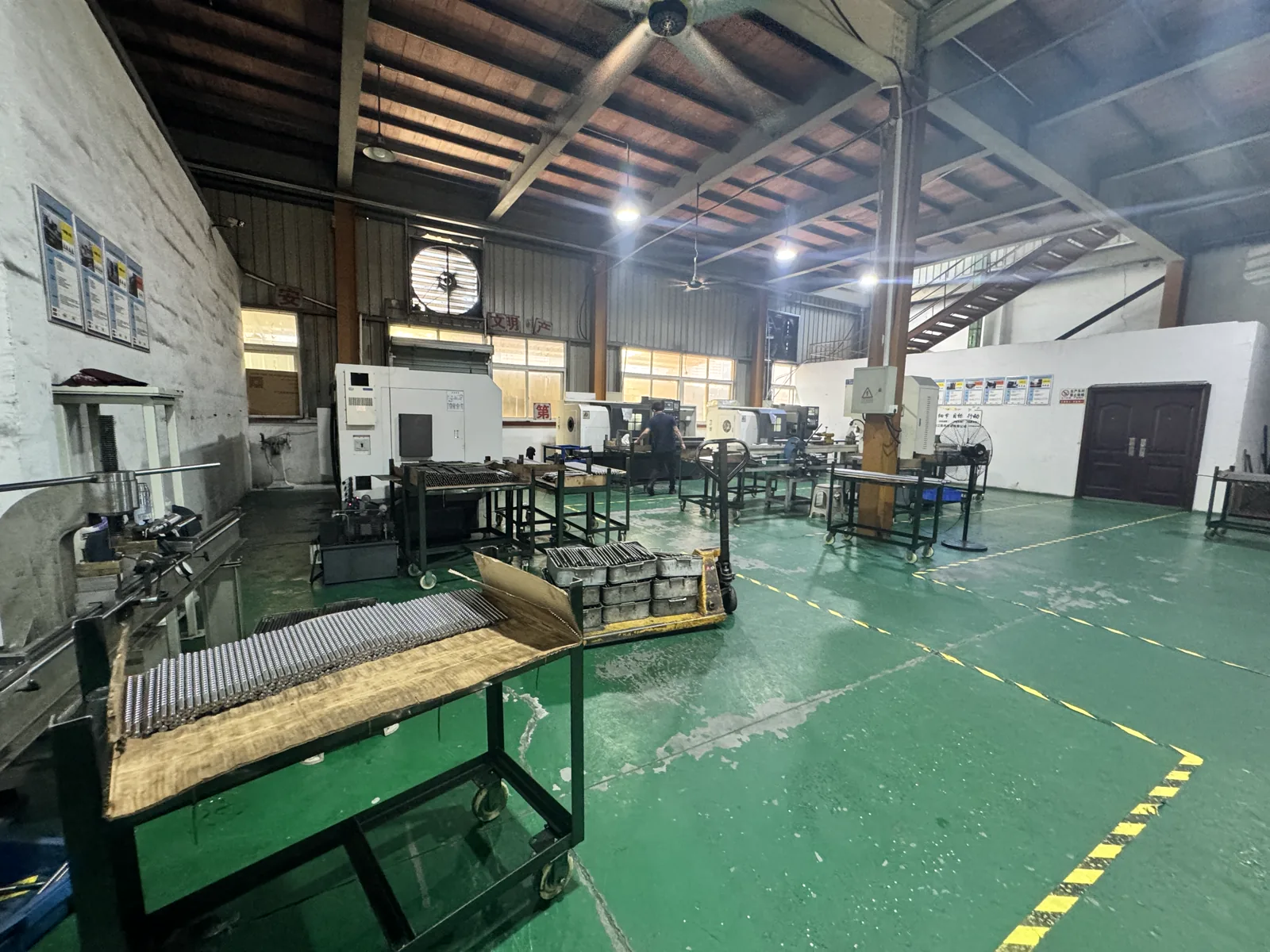
C7 Ball Screw: What It Is and Where It Fits
Judge C7 suitability from the machine's positioning requirement, measurement length, and overall error budget.
Send C7 RFQ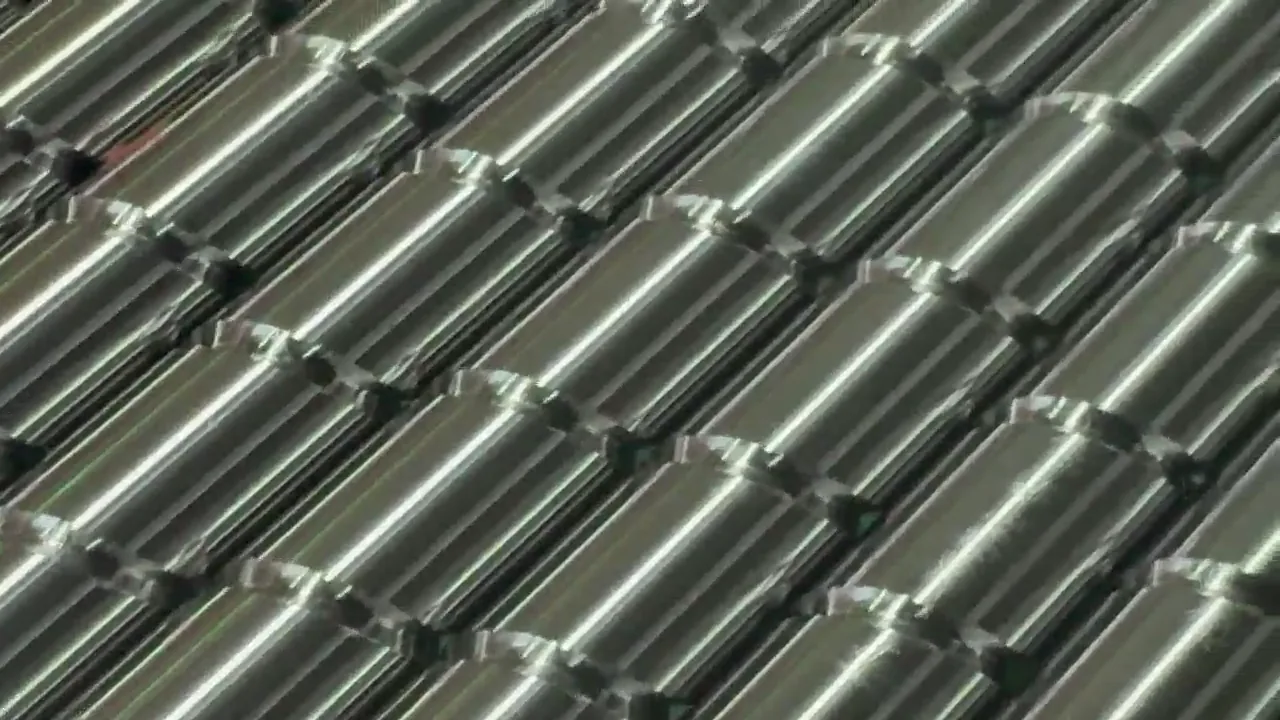
Ball Screw Accuracy Class: C3, C5, and C7 Explained
Choose the ball screw accuracy class by positioning requirement and state the acceptance criteria in the RFQ.
Send accuracy requirement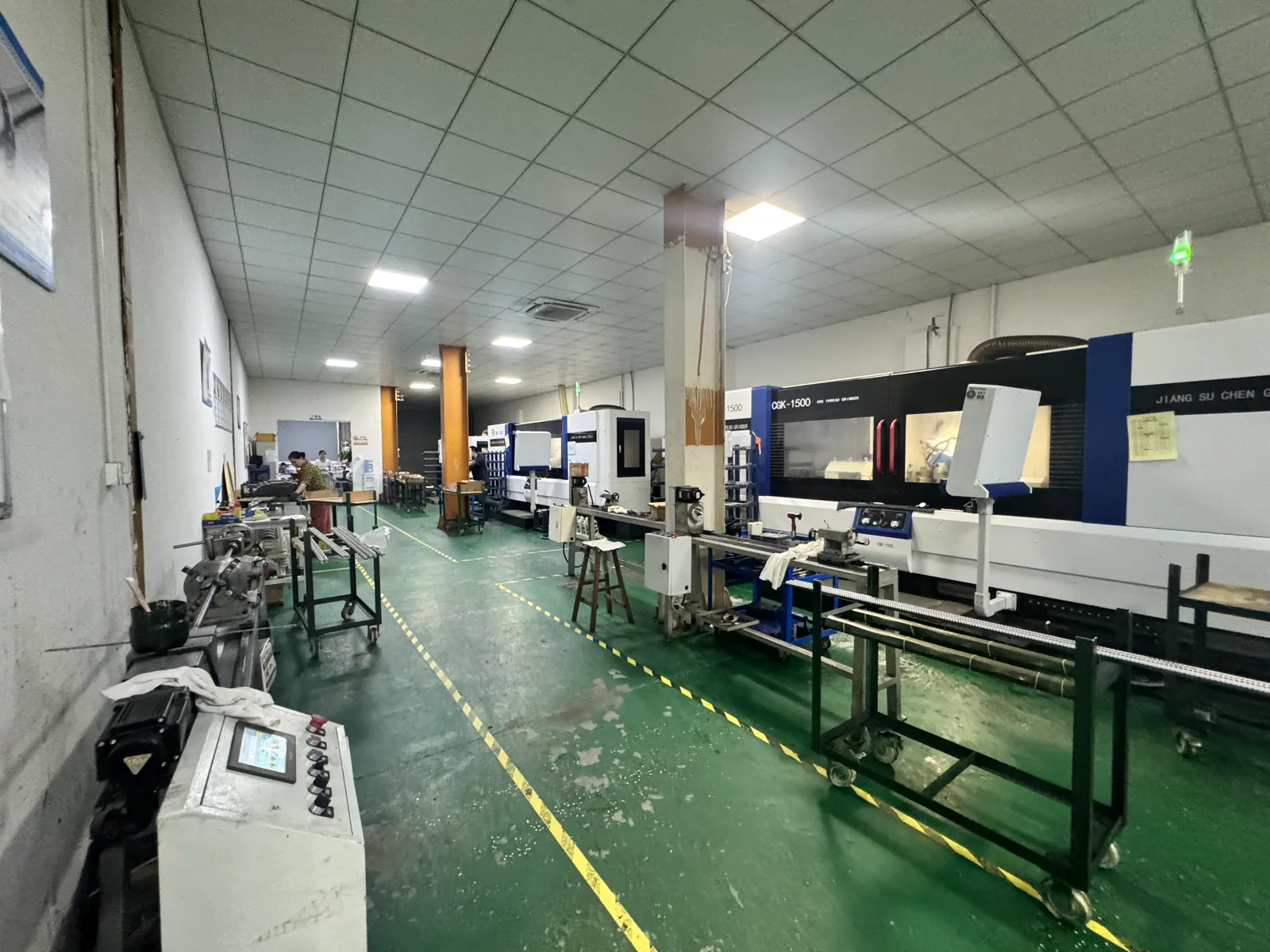
Automation Ball Screw RFQ: How to State Application Parameters
An automation-equipment RFQ needs application parameters alongside the model, accuracy, lead-time, and packing requirements.
Send automation application parameters