Same diameter, different lead
1605 and 1610 normally share a 16 mm nominal diameter. The digits after the diameter are the lead: 5 mm per turn against 10 mm per turn. Comparing the two models is therefore comparing everything that follows from one number — travel per revolution.
| Parameter | 1605 (5 mm lead) | 1610 (10 mm lead) |
|---|---|---|
| Travel per revolution | 5 mm | 10 mm |
| Linear speed at 1000 rpm | 5 m/min | 10 m/min |
| Thrust from 1 N·m of motor torque (efficiency 0.9) | About 1.1 kN | About 0.57 kN |
| Travel per pulse at 1600 pulses/rev | About 3.1μm | About 6.25μm |
| Typical bias | Thrust, low-speed smoothness, resolution | Speed, long travel, cycle time |
The figures are an order-of-magnitude comparison; exact values depend on the motor, efficiency and duty cycle. The derivation is in how lead changes speed and thrust.
When to choose 1605
Choose 1605 when thrust, low-speed smoothness, positioning resolution or a conservative load matter more. Small CNC machines, router Z axes, fixture adjustment and general positioning often start with 1605. A small lead converts the same motor torque into more thrust, which favours vertical axes and anything that has to push.
When to choose 1610
Choose 1610 when higher linear speed, longer travel or a shorter cycle time matters more. With higher speed, confirm motor torque, support method, critical speed and end machining together: the same acceleration needs more motor torque on a 1610, and the usable rpm drops noticeably as the span grows.
For mixed-model machine cases such as woodworking routers, see choosing between 1605, 1610, 2005 and 2510.
Check critical speed first on long travel
With a large lead and a long unsupported span, the speed ceiling comes from the critical (whirling) speed and the DN value (nominal diameter × rpm). Critical speed is mainly set by the screw root diameter, the unsupported length, the end fixing and the material; it falls roughly with the square of the span, with different coefficients for fixed-fixed and fixed-supported ends, and the DN limit sits in the tens of thousands. Take all of these from the model data and the manufacturer's information, and do not use a fixed length as a universal dividing line.
So on a long span the question is how much rpm is still available, not whether to go to a smaller lead. Inside the same rpm ceiling a 1610 still travels farther per revolution, so its speed advantage does not disappear because of critical speed itself. What can limit a large lead first is thrust margin, drive torque, nut speed limit, vibration and machine stiffness. If those still have margin, the practical answers are a shorter span, a stiffer end fixing such as fixed-fixed instead of fixed-supported, or a larger screw diameter — not a smaller lead: a smaller lead does not raise the ceiling, and at a given linear speed rpm = speed ÷ lead, so halving the lead doubles the rpm demand and brings the limit closer.
Accuracy grade and lead are separate decisions
Both 1605 and 1610 can be supplied rolled in C7 or ground in C5: the lead sets speed and thrust, the grade sets positioning error, and neither replaces the other. For the grade choice see C5 vs C7; for the grade definitions see ball screw accuracy class C3, C5, C7.
RFQ checklist
- Confirm whether the model is fixed as 1605 or 1610, or whether either is acceptable.
- Describe the axis: X, Y, Z or adjustment axis, and horizontal or vertical mounting.
- Provide travel, target speed, load, and the required acceleration or cycle time.
- State motor torque, support model and support span.
- Attach the support model or end drawing if end machining is required.
FAQ
How do I choose between 1605 and 1610? Start from speed and thrust, then check axis direction, load, motor, support units and end machining. Pick 1605 to push, 1610 to run fast, and calculate the rpm ceiling first on a long span.
Is a 1610 always faster than a 1605? On a short span, yes. On a long span, not necessarily: a 1610 reaches a given speed at lower rpm, but its usable rpm is also capped by critical speed and the DN value, so the check comes first.
Why does doubling the lead halve the thrust at the same torque? Because thrust = 2π × efficiency × torque ÷ lead. Double the lead and the same torque buys half the thrust, while travel per revolution — and therefore speed — doubles.
Next step
Turn this guide into an RFQ
When the specification direction is clear, send the details below together with quantity, lead time, and packing requirements.
Include these details
- Model, diameter, lead, accuracy grade, or target application.
- Load, speed, travel, mounting method, and matching rail or support-unit needs.
- Quantity, lead time, packing, and whether inspection records or shipment photos are needed.
Category
Related Technical Guides
Continue with similar buyer questions
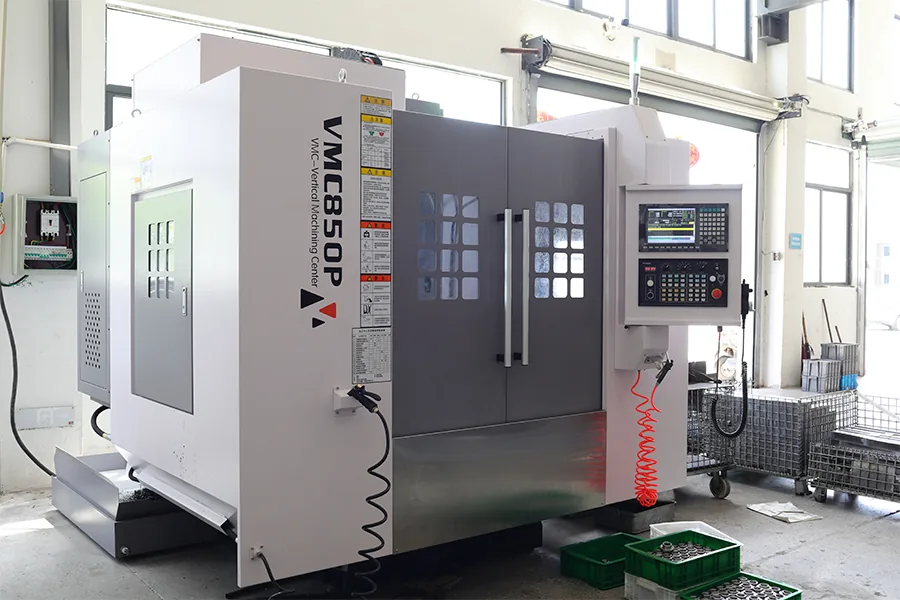
Ball Screw for CNC Machine: Selection Guide
Match ball screw lead, accuracy class, load, and end interface to the CNC machine conditions.
Send selection parameters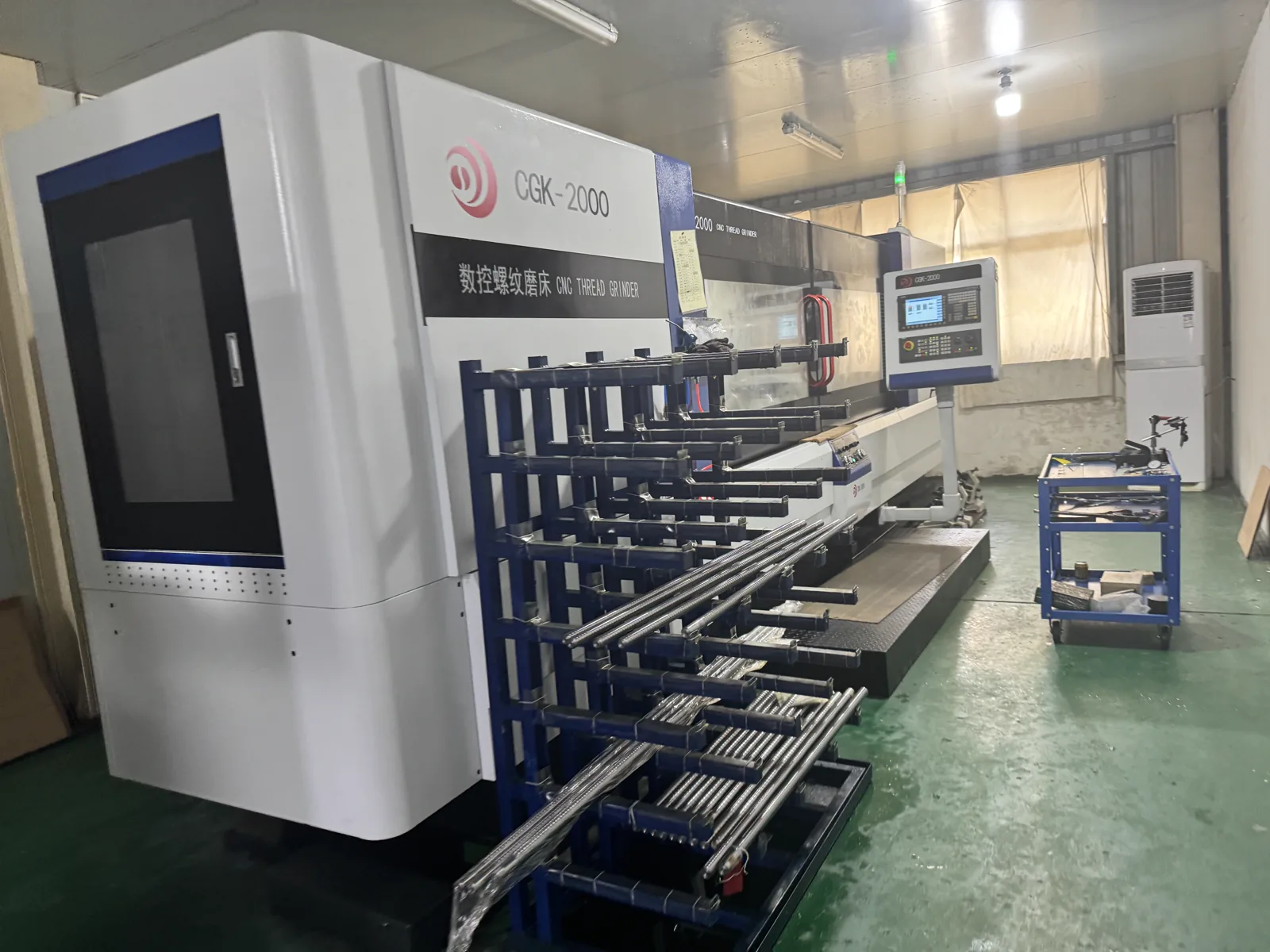
How to Choose Ball Screw Lead for a CNC Router
Explain common CNC router lead selection by speed, thrust, control resolution, and axis use.
Send CNC lead requirements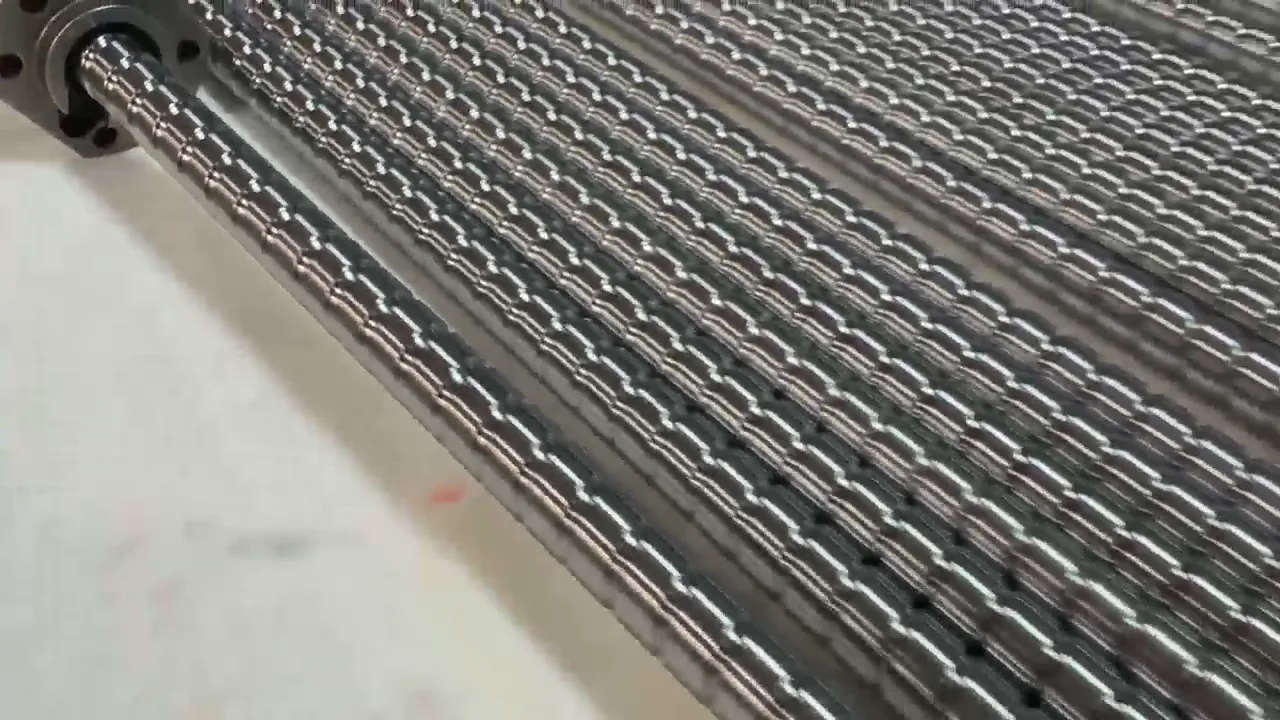
2505 vs 2510 Ball Screw: Lead, Speed, and Load Guide
Explain how 5 mm lead and 10 mm lead on a 25 mm diameter ball screw affect speed, thrust, and machine fit.
Send 2505/2510 requirements