Do not quote only by overall length
Overall length looks like the easiest dimension to measure on a replacement ball screw, but do not quote only by overall length. Two screws can have the same overall length and still fail to fit because thread length, end lengths, bearing journals, and the coupling end are different.
Work in three layers, each able to reject a screw on its own:
| Layer | What to read | What is missed if you stop above |
|---|---|---|
| First | Overall length | Right length, will not enter the support unit |
| Second | Both end lengths, journal diameter and length, lock thread | Bearing cannot be preloaded, coupling will not align |
| Third | Whether working travel covers the original stroke | Short stroke after assembly, second purchase |
Same overall length does not mean same installation dimensions
Machine installation depends on support units, bearings, lock nuts, coupling, and the nut housing. If a shoulder on the fixed side moves by 5 mm, or the support side end is 10 mm shorter, bearing preload or coupling position can be wrong.
Those two shifts sound small, but a 5 mm shoulder move stops the bearing inner ring reaching the shoulder, and a 10 mm end difference leaves the coupling short — neither changes the overall length figure at all.
Confirm thread length and working travel separately
Thread length affects the nut moving range, while working travel also depends on nut length, housing, limit positions, and safety distance at both ends. Overall length alone does not show whether the new part can cover the original travel.
Write the relationship down and it cannot drift: thread length ≥ working travel + nut length, with a small margin at each end. If a buyer sends "travel 800 mm" alone, we ask back for nut length and overall length, because the three figures have to agree.
End details decide whether the old supports fit
Measure end lengths, bearing journal diameters and lengths, lock threads, keyways, retaining grooves, and coupling end size separately. If the old part is worn, recheck diameter at an unworn position and photograph the measurement location.
Keep a log per end: from the end face, record each step as diameter / length / function, with the two ends written separately. The full end measurement method is in how to measure ball screw end machining dimensions.
Replacement RFQ checklist
- Overall length, thread length, working travel, and both end lengths.
- Bearing journals, shoulders, lock threads, and grooves on fixed and support sides.
- Coupling end diameter, length, keyway, or flat requirement.
- Nut direction, flange direction, mounting hole positions, machine model, and quantity.
FAQ
Why can the part fail to fit even when overall length is the same? Because installation depends on bearing journals, shoulders, lock threads, coupling end, and nut housing. Even with the same overall length, one wrong end dimension can prevent bearing preload or coupling alignment.
Can I order by overall length first and fix it later? Better not. End machining and lead time have to be re-planned for a custom part, and the rework usually costs more than measuring properly once — urgent jobs least of all can afford a second purchase.
The old part is badly worn — how do I confirm the original dimensions? Stable features (bearing seats, shoulders, hole spacing) can be measured directly; for obviously worn areas, check the original specification against the machine brand and model. See preparing an RFQ with only old part photos.
Next step
Turn this guide into an RFQ
When the specification direction is clear, send the details below together with quantity, lead time, and packing requirements.
Include these details
- Old-part overall length, thread length, diameter, lead, and nut style.
- Full old-part photos, both end details, nut flange, and mounting-hole photos.
- Machine use, whether it is a like-for-like replacement, quantity, and lead time.
Category
Related Technical Guides
Continue with similar buyer questions
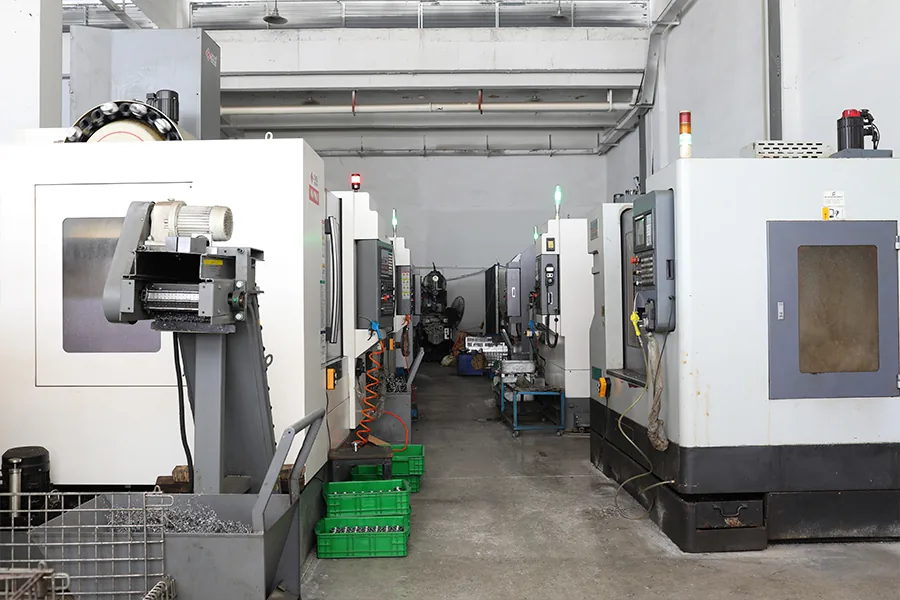
What to Confirm Before Replacing a Ball Screw in CNC Repair
CNC repair replacement should not be ordered by model number alone because axis, travel, end machining, and old part photos affect installation fit.
Send CNC repair replacement details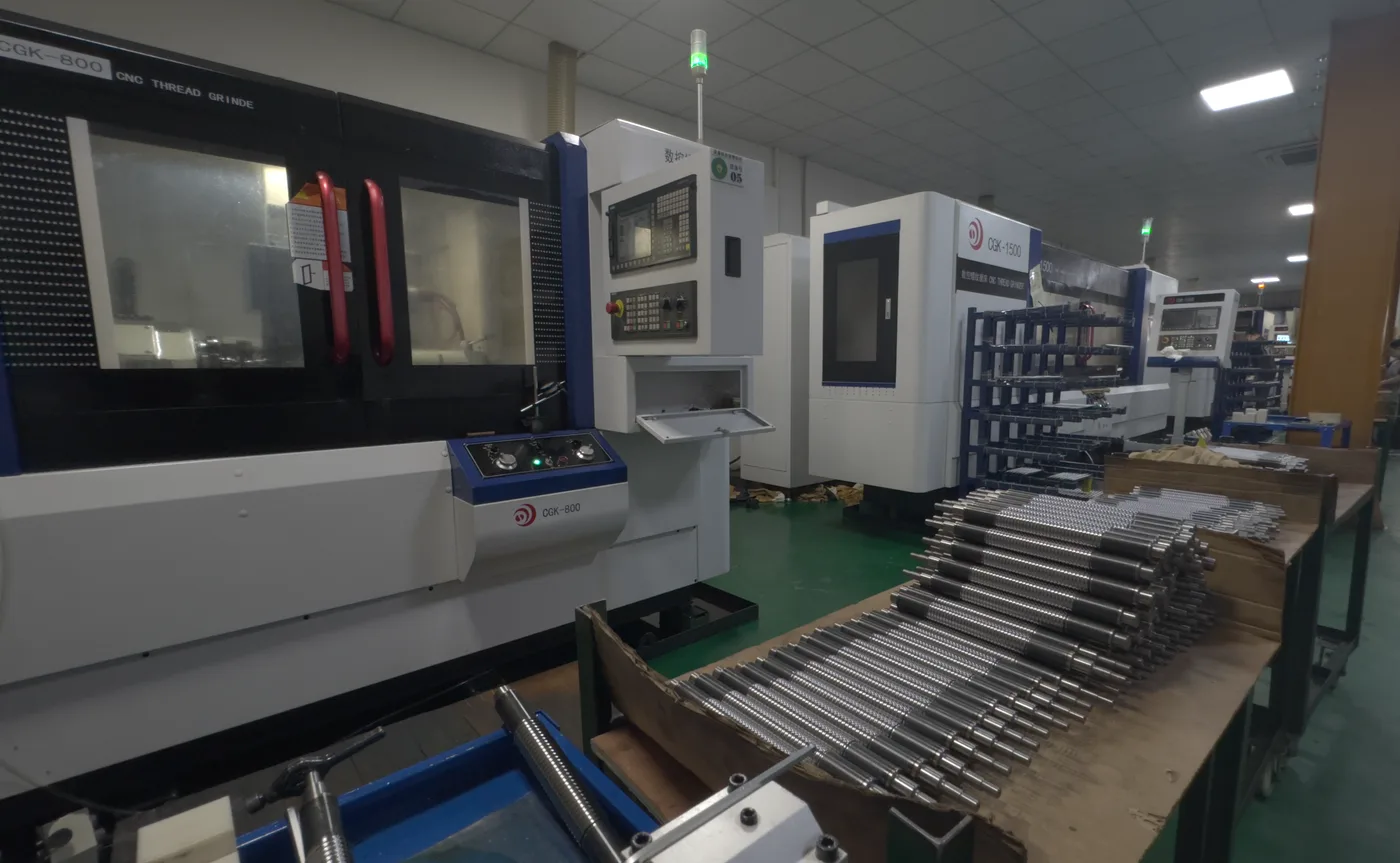
How to Prepare a Ball Screw RFQ When You Only Have Old Part Photos
Old-part photos can start the RFQ, but they must be paired with key dimensions and installation details so quotation is not guesswork.
Send old-part photo RFQ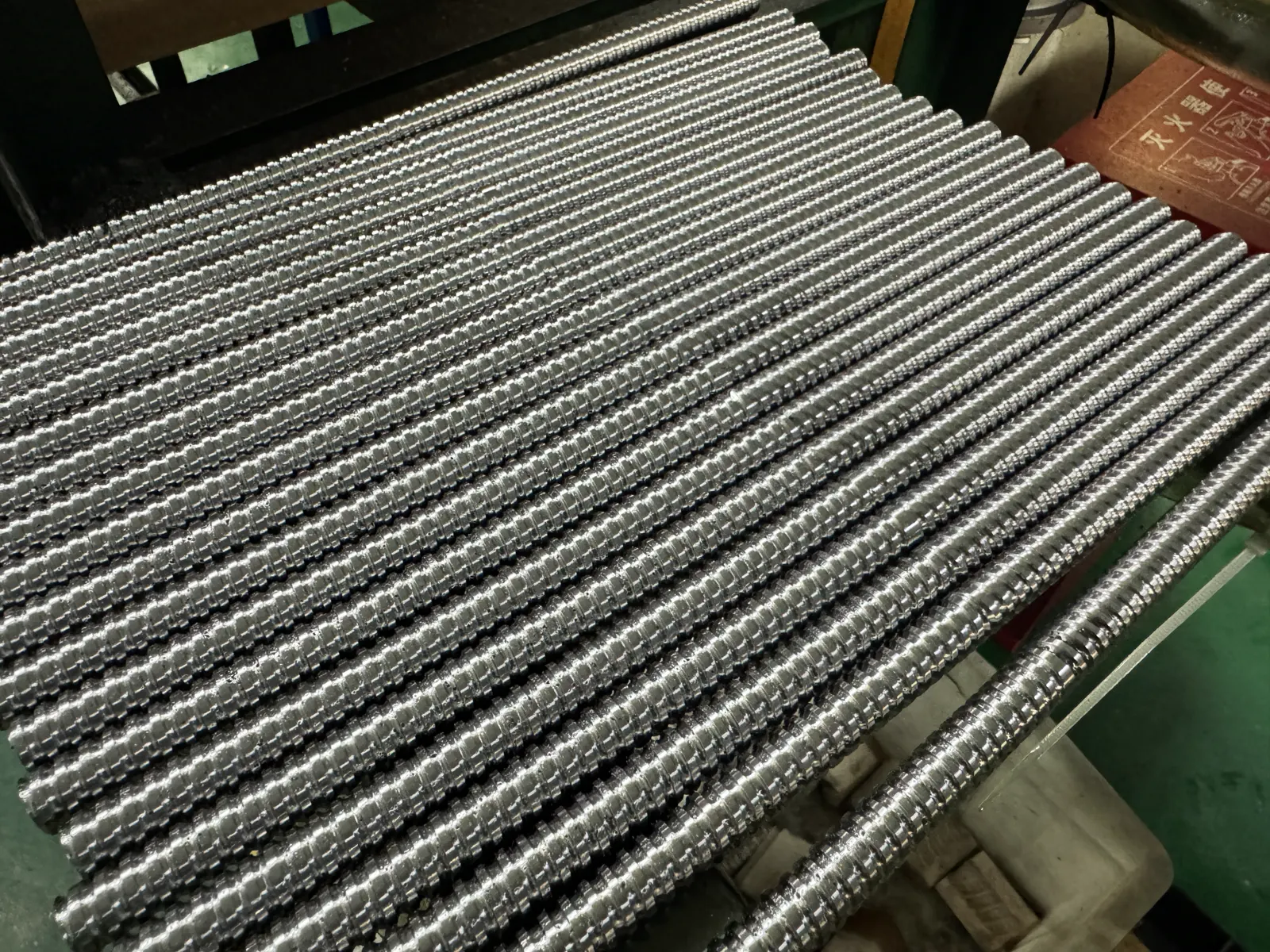
How to Measure a Replacement Ball Screw: 6 Dimensions
Record diameter, lead, overall length, travel, and end steps before sending old-part photos or samples.
Send replacement dimensions