Record the basic dimensions first
Start with diameter, lead, overall length, thread length, and working travel. If the old part is worn, state where it was measured and what error is possible.
Six key dimensions, in an order that leaves nothing out:
- Diameter: measure the thread outer diameter with a caliper, away from worn areas.
- Lead: the last two digits of the model number; if the marking is worn, mark the shaft, turn the nut ten revolutions and divide the travel by ten.
- Overall length: face to face, a tape is enough.
- Thread length: the usable length from the start of the thread to its end.
- Working travel: the distance the nut has to move — state clearly whether the figure is travel alone or travel plus nut length.
- End steps: journal diameter and length at each end, recorded step by step.
Measure in an unworn section where possible and photograph with a ruler or caliper in frame. On a badly worn screw the diameter measured in the worn zone reads undersize, and copying it produces a screw that will not fit.
Nut and shaft ends matter just as much
A model number alone is usually not enough. Nut shape, flange direction, mounting holes, shaft-end journals, lock thread, keyway, and retaining groove all decide whether the part fits back onto the machine. For the detailed shaft-end measurement steps, see how to measure ball screw end machining dimensions.
How to take useful photos
Photograph the full screw, both shaft ends, front and side views of the nut, any marking text, and the key dimension positions. Photos help the supplier decide whether a drawing has to be reviewed.
A useful photo has three properties: a reference in frame (ruler or caliper), enough light without reflection, and a lens angle square to the measured face. Miss one and the photo is a reference, not evidence.
Buyer decision table
| Measurement item | How to capture it | Why it matters |
|---|---|---|
| Diameter and lead | Caliper plus travel per revolution | Identifies the basic ball screw model. |
| Overall length | Measure full shaft end to end | Prevents replacement length errors. |
| Thread length and travel | Tape plus a stated basis | Decides whether the nut completes its travel. |
| End machining | Measure each step diameter and length | Determines whether custom machining is required. |
| Nut and flange | Photo and hole spacing | Confirms nut style and mounting fit. |
Replacement RFQ checklist that can be quoted
- Take an overall photo of the old ball screw before removing small parts.
- Record diameter, lead, overall length, and thread length in one measurement table.
- Capture shoulders, bearing journals, and keyways on both shaft ends.
- Measure the unworn section when the thread is worn, and send a photo with a ruler or caliper.
- Add support model or installation dimensions, machine use, quantity, and target delivery time.
RFQ checklist
- Take photos of the full screw, both shaft ends, nut flange, and any labels or markings.
- Measure diameter, lead, overall length, thread length, and usable stroke.
- Measure fixed-side and supported-side shaft-end steps, threads, keyways, and grooves.
- Share machine model, axis position, urgency, quantity, and destination.
- Mark any uncertain measurement so weimute can ask for confirmation before quoting.
Send us old-part photos and measurements
Send weimute the photos and measurement table together. Our manufacturing and sales team will tell you which dimensions are enough, which are missing, and whether a drawing is needed before production. For the detailed shaft-end measurement steps, see how to measure ball screw end machining dimensions.
FAQ
Can weimute identify a replacement from the model code only? Sometimes, but photos and measurements reduce the risk of wrong end machining or nut style.
Can I measure a worn part where it is worn? Better not. A worn section reads undersize and copying it produces a screw that will not enter the support unit; measure an unworn section and note where the wear sits.
What is the most common replacement mistake? Overall length and shaft-end steps. Overall length is often taken without the machined ends, and end steps get collapsed into a single diameter — both end in a part that will not fit.
Next step
Turn this guide into an RFQ
When the specification direction is clear, send the details below together with quantity, lead time, and packing requirements.
Include these details
- Old-part overall length, thread length, diameter, lead, and nut style.
- Full old-part photos, both end details, nut flange, and mounting-hole photos.
- Machine use, whether it is a like-for-like replacement, quantity, and lead time.
Category
Related Technical Guides
Continue with similar buyer questions
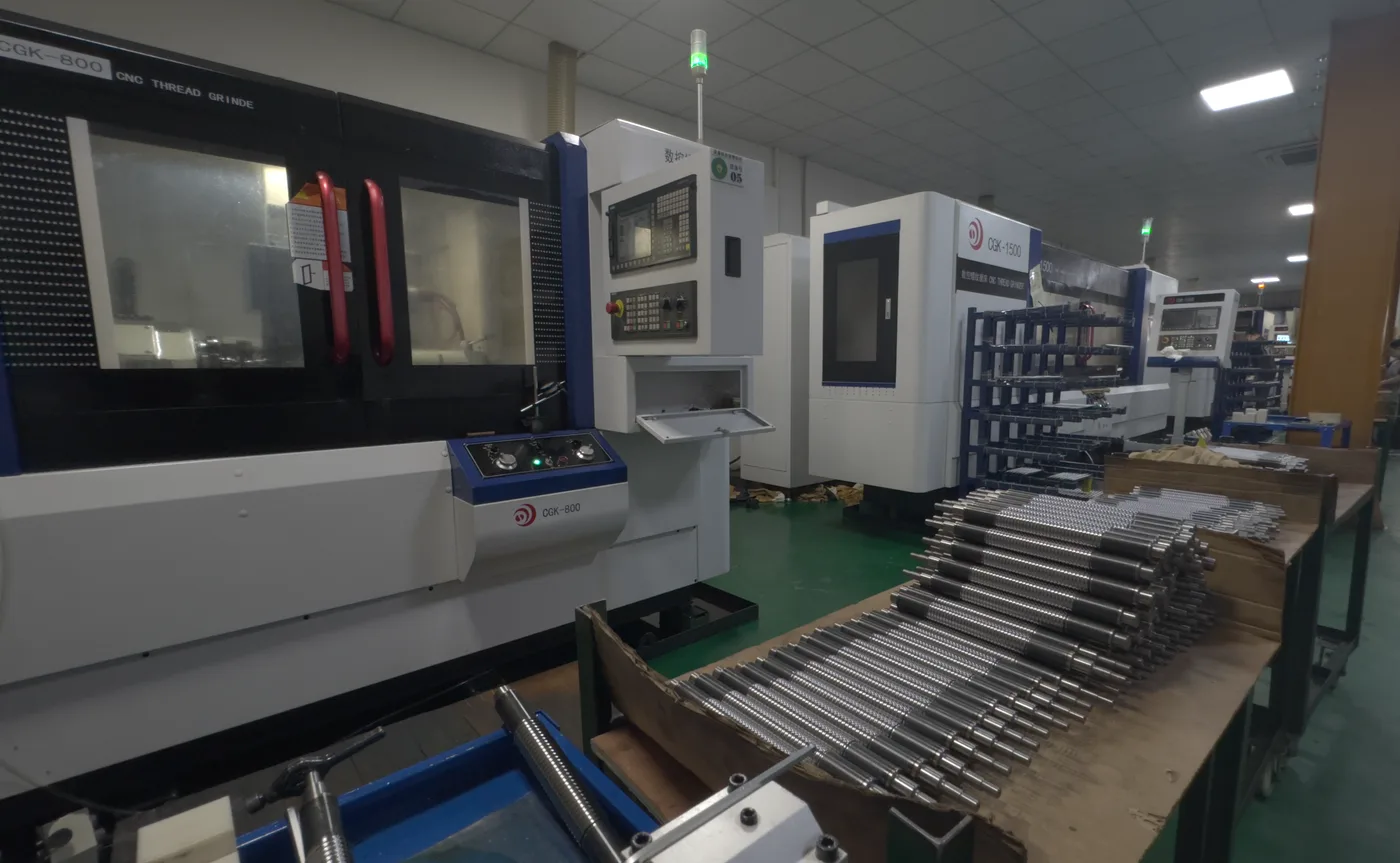
How to Prepare a Ball Screw RFQ When You Only Have Old Part Photos
Old-part photos can start the RFQ, but they must be paired with key dimensions and installation details so quotation is not guesswork.
Send old-part photo RFQ
Ball Screw Replacement for Woodworking CNC Machines
A repair checklist for woodworking CNC buyers before replacing ball screws.
Send woodworking CNC replacement details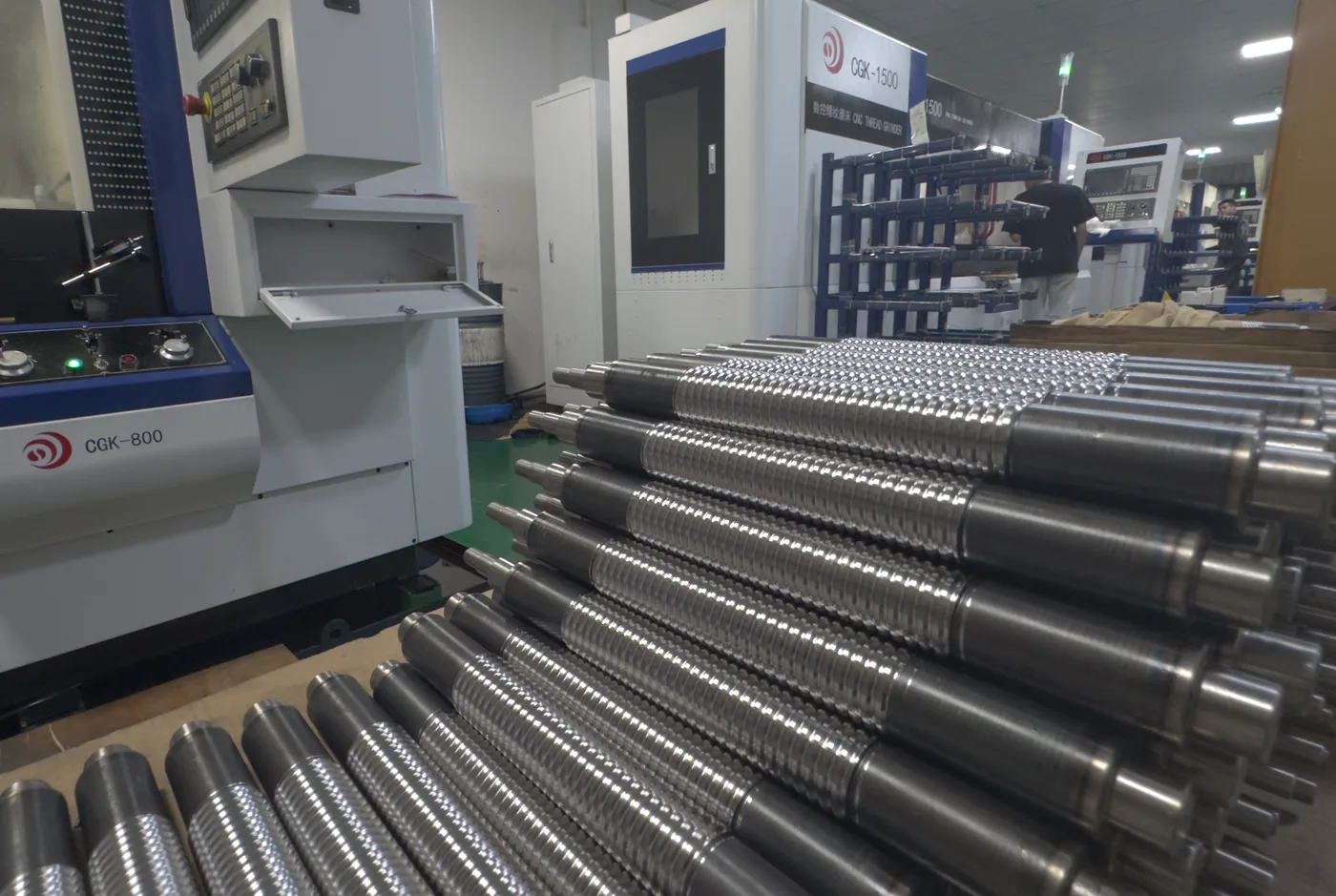
What to Confirm Before Replacing a Ball Screw in CNC Repair
CNC repair replacement should not be ordered by model number alone because axis, travel, end machining, and old part photos affect installation fit.
Send CNC repair replacement details