What C7 accuracy means
C7 is a ball screw accuracy class whose lead error is controlled within the standard range but looser than C5. The number 7 is the class, not the diameter or length. C7 is common in standard-part enquiries, but stock, price, and lead time depend on model, length, nut, and machining requirements and must be confirmed in the current quotation. It is sometimes written as a C7 ballscrew or C7 ball screw; both spellings mean the same accuracy class.
The two classes compare as an order of magnitude (accumulated lead error over 300 mm):
| Class | Lead error order over 300 mm | Usual process | Lead time order |
|---|---|---|---|
| C7 | About 0.05 mm | Rolled | About 3–7 days |
| C5 | About 0.023 mm | Ground | About 35–60 days |
Exact values come from the ISO 3408-3 / JIS B1192 grade table and depend on diameter and length — which is why "is C7 enough" always has to be read together with the travel, not the grade number alone.
Where C7 fits
- Ordinary CNC engraving and woodworking machines: evaluate C7 against positioning-error and repeatability acceptance requirements.
- 3D printers and desktop equipment: light load and low cost, C7 is the mainstream choice.
- General automation equipment: conveying, handling, and simple positioning where value matters.
C7 or C5
Compare permitted lead error under the agreed standard and effective travel, then select against the complete machine error budget. Preload mainly affects clearance and stiffness; it does not turn C7 lead accuracy into C5. State the standard, measurement length, and acceptance items in the quotation, and confirm price for the actual configuration.
In plain terms: spread the machine's positioning-error budget across frame, guides, process and screw. Where the screw is a small share, C7 is the better buy; where the screw error dominates, or the drawing says C5, move to grinding. See rolled vs ground and accuracy class C3, C5, C7.
RFQ points
- Specification: shaft diameter, lead, overall length, and working travel.
- Accuracy class: C7, written in the model or notes.
- Nut and preload: whether a preloaded nut is needed to remove backlash.
- End machining and support: fixed side, support side, and coupling-end dimensions.
- Acceptance basis: whether any 300 mm section or the full travel applies, and whether an inspection report is needed.
Let application risk set the accuracy grade
| Scenario | Main concern | Include in the RFQ |
|---|---|---|
| General handling and woodworking CNC | Repeatability and cost | Diameter, lead, travel, quantity |
| CNC machining and repair replacement | Fit and backlash | Old-part model, overall length, nut, photos |
| High-accuracy positioning | Error, preload, heat | Accuracy grade, preload, speed, inspection needs |
FAQ
Is C7 accurate enough for CNC? Machine type alone cannot decide this. Specify full-travel positioning error, repeatability, measurement conditions, and acceptance method before comparing C7, C5, or another solution. A higher grade does not correct installation error.
Do you stock C7 screws? Confirm availability and lead time for the exact model, quantity, length, nut style, and end machining. This guide is not live stock information and does not guarantee faster delivery than C5.
Can preload turn a C7 into a C5? No. Preload changes clearance and stiffness (an assembly matter); lead error is set by the grade, and neither replaces the other.
Next step
Turn this guide into an RFQ
When the specification direction is clear, send the details below together with quantity, lead time, and packing requirements.
Include these details
- Model, diameter, lead, accuracy grade, or target application.
- Load, speed, travel, mounting method, and matching rail or support-unit needs.
- Quantity, lead time, packing, and whether inspection records or shipment photos are needed.
Category
Related Technical Guides
Continue with similar buyer questions
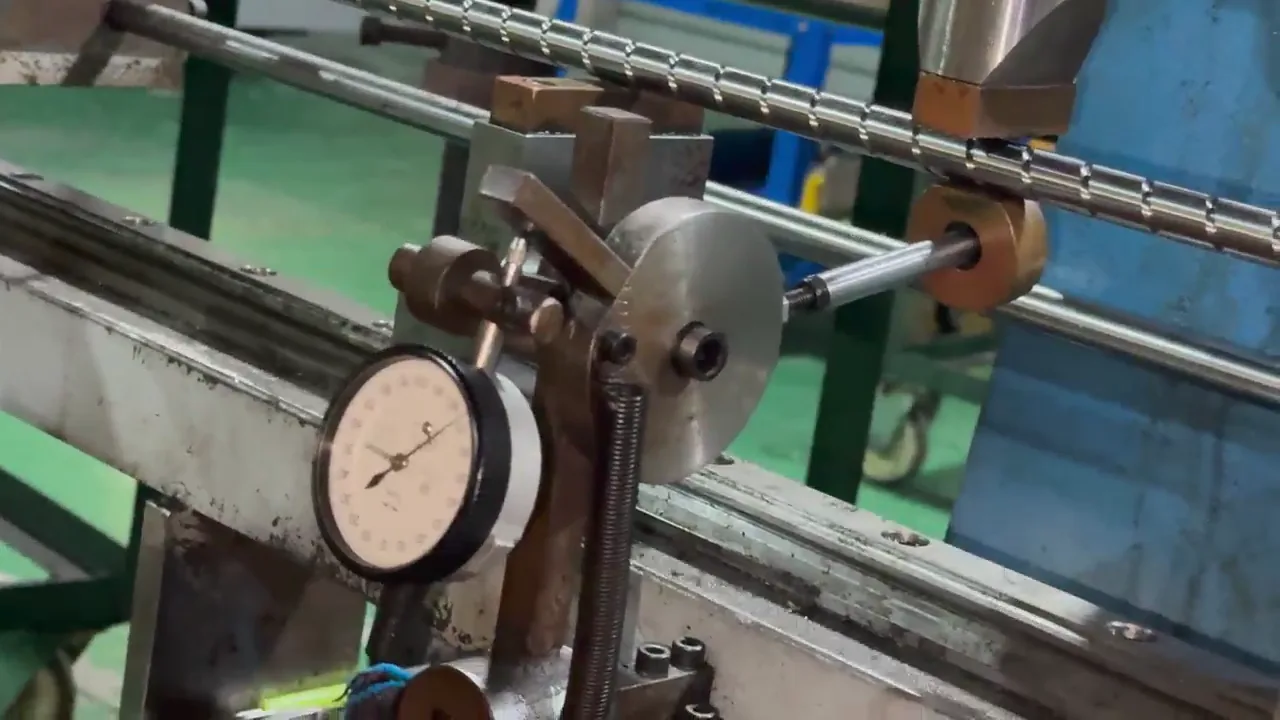
C5 vs C7 Ball Screw: Accuracy, Cost, and Buyer Selection
C7 and C5 differ in accumulated lead error, process, and lead time — not in being better or worse. Judge by the axis: most machines run C7, key axes need C5.
Send accuracy requirements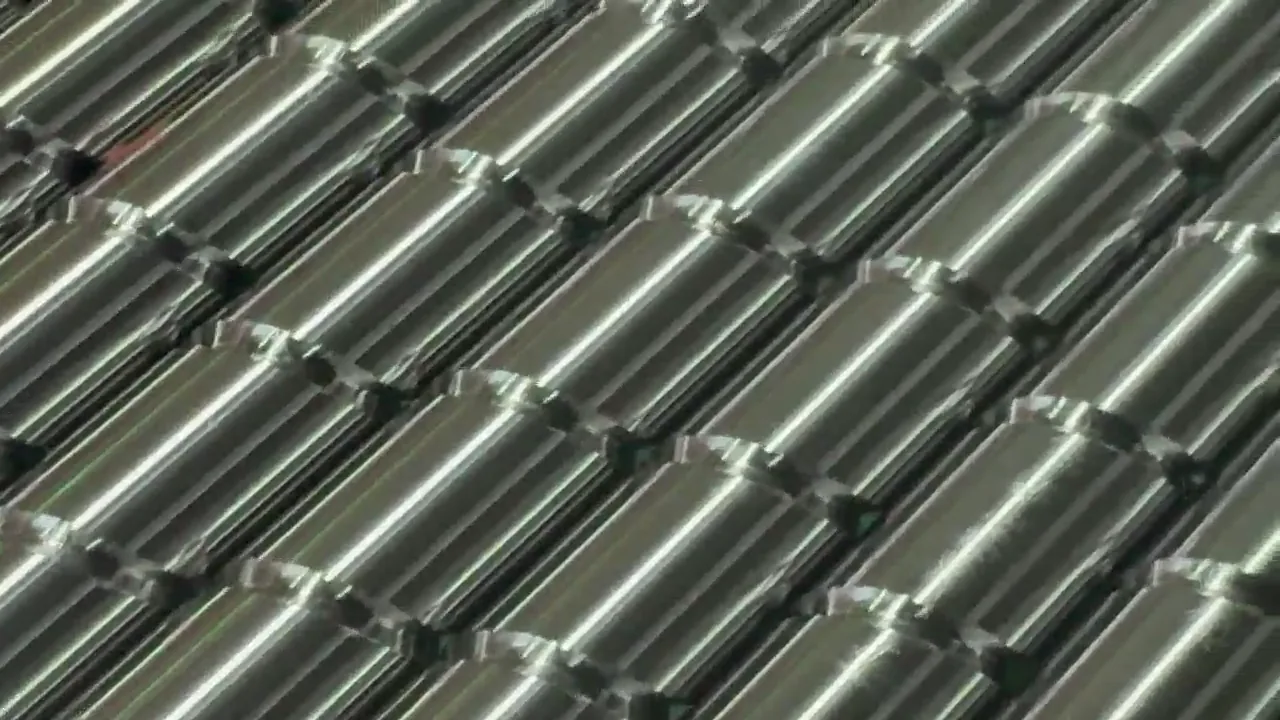
Ball Screw Accuracy Class: C3, C5, and C7 Explained
Choose the ball screw accuracy class by positioning requirement and state the acceptance criteria in the RFQ.
Send accuracy requirement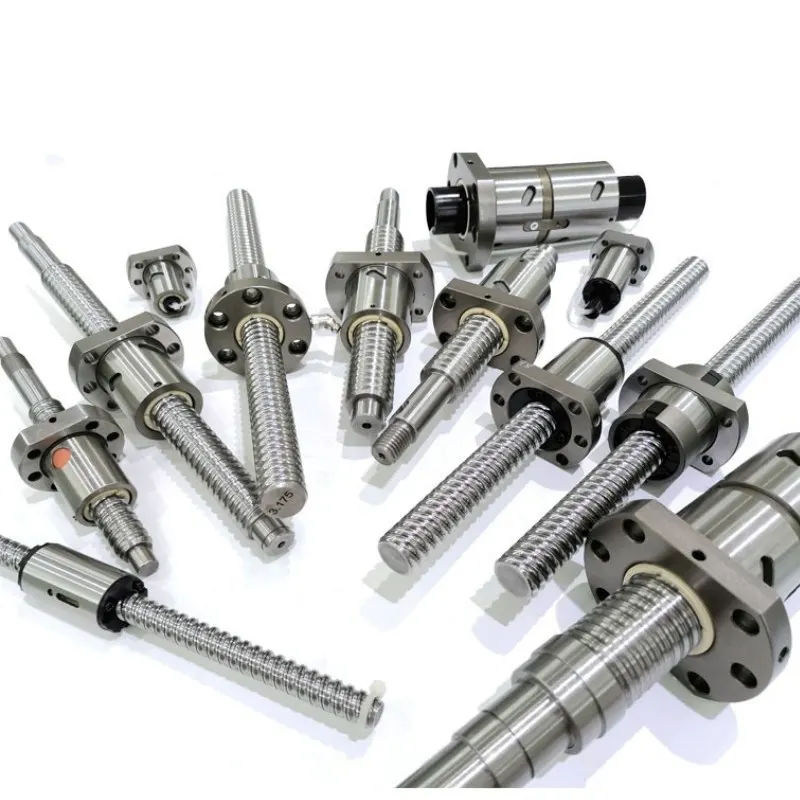
Ball Screw Components Explained: Parts and What They Do
Understand every part of a ball screw assembly — screw and nut, BK/BF bearing blocks, coupling, and nut housing — and describe them correctly in your RFQ.
Send component RFQ