What are the differences between rolled and ground ball screws?
Choose by the machine accuracy requirement, not by the process name. Rolled ball screws are formed by rolling and usually have better cost and delivery. Ground ball screws use grinding to achieve higher accuracy and more stable geometry for demanding positioning axes.
| Comparison point | Rolled ball screw | Ground ball screw |
|---|---|---|
| Forming process | Threads formed by rolling dies | Blank rough-machined and heat-treated, then the raceway is precision-ground to tolerance |
| Accuracy grade | Typically C7 and above | C5 and tighter |
| Accumulated lead error (300 mm order) | About 0.05 mm | About 0.023 mm |
| Cost | Lower | Higher (quoted from diameter, length and quantity) |
| Lead time | Shorter, about 3–7 days, batch friendly | Longer, about 35–60 days |
| Backlash / preload | Standard preload | Low backlash, stable preload |
| Surface & geometry | Good enough for general applications | Tighter geometry control |
| Typical use | Woodworking CNC, packing, general automation, distributor stock, repair | Precision positioning, inspection, demanding OEM axes |
| Inspection | Standard report | Detailed report available |
The figures are order-of-magnitude; exact values come from the ISO 3408-3 / JIS B1192 grade table and depend on diameter and length.
Rolled screws fit many practical projects
CNC routers, packing machinery, general automation, distributor stock, and repair replacement often use rolled ball screws. If C7 or similar accuracy is acceptable, rolled screws are often the practical choice. Review standard ball screws when the required diameter, lead, length, and nut arrangement are already defined.
A practical way to judge "good enough": spread the machine's total positioning error across the frame, the guides, the process and the screw. When the screw is a small part of that budget, the C7 order of 0.05 mm is usually fine; when the screw error dominates the budget, it is time to look at grinding.
Ground screws fit demanding axes
When the machine requires C5, low backlash, stable preload, higher positioning accuracy, or inspection reports, evaluate a ground ball screw. Drawings, accuracy grade, and inspection method should be clearer.
What buyers should compare before requesting a quote
- Machine accuracy and repeatability requirement.
- Screw diameter, lead, travel, speed, load, and mounting orientation.
- Required grade, preload or backlash requirement, end machining, inspection, quantity, and delivery target.
For replacement work, also send old-part photos and dimensions so the required ends and assembly details can be checked before quotation.
FAQ
Is a ground ball screw always better than a rolled one? Not automatically. Ground screws give tighter accuracy and geometry control but cost more and take longer to produce. For many standard machines, repair replacements, and general automation, rolled screws are the practical choice. Select by the application's accuracy requirement.
How do I know which type my machine needs? Check the drawing or specification for the accuracy grade. Choose ground when C5 or tighter, low backlash, or stable preload is required; start with rolled when C7 or no grade is specified for a conventional machine.
Why is the price difference between rolled and ground screws so large? The forming process. Rolled screws are formed in one pass by dies, with fewer operations; ground screws start from a rough-machined, heat-treated blank whose raceway is then precision-ground to tolerance, which adds operations plus stricter geometry control and inspection. How much more depends on diameter, length, grade and quantity, so we quote from the actual specification; the gap usually widens with diameter and length.
Next step
Turn this guide into an RFQ
When the specification direction is clear, send the details below together with quantity, lead time, and packing requirements.
Include these details
- Model, diameter, lead, accuracy grade, or target application.
- Load, speed, travel, mounting method, and matching rail or support-unit needs.
- Quantity, lead time, packing, and whether inspection records or shipment photos are needed.
Category
Related Technical Guides
Continue with similar buyer questions
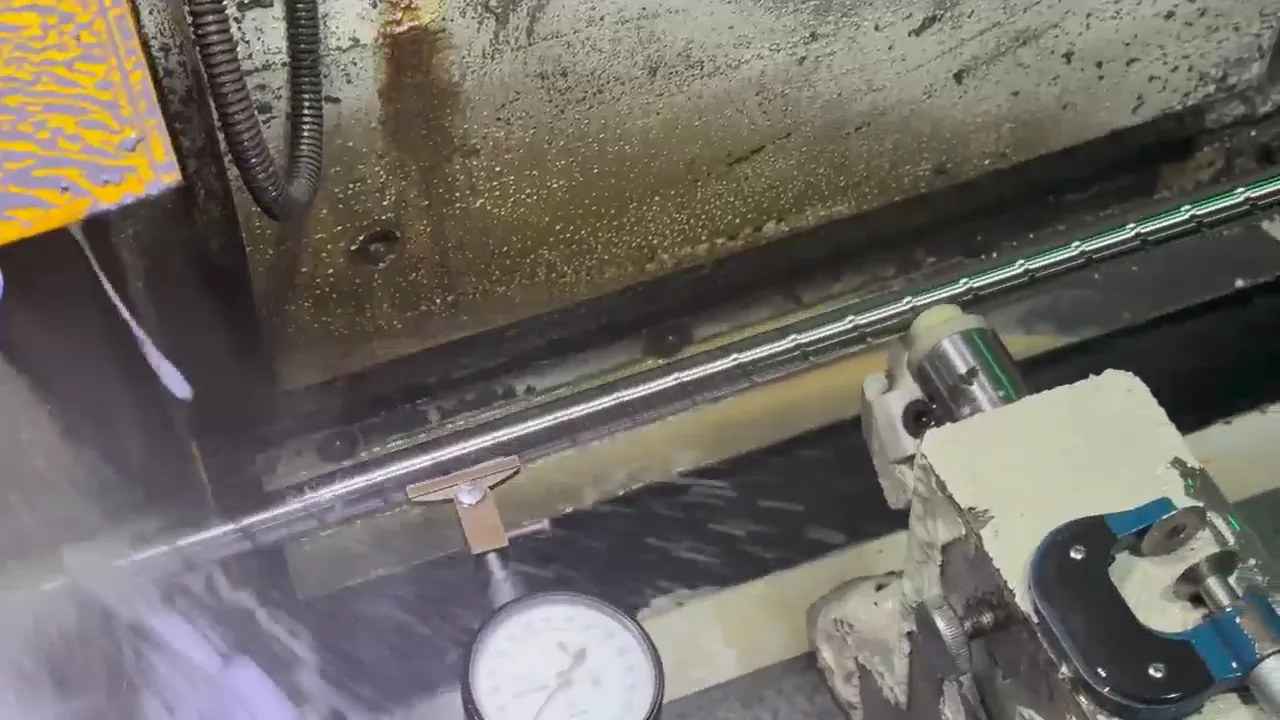
Laser Cutting Machine Ball Screw: Speed and Accuracy RFQ
Laser cutting machine ball screw selection should balance speed, accuracy, dust protection, and heat effect, so the RFQ should describe the application environment.
Send laser machine parameters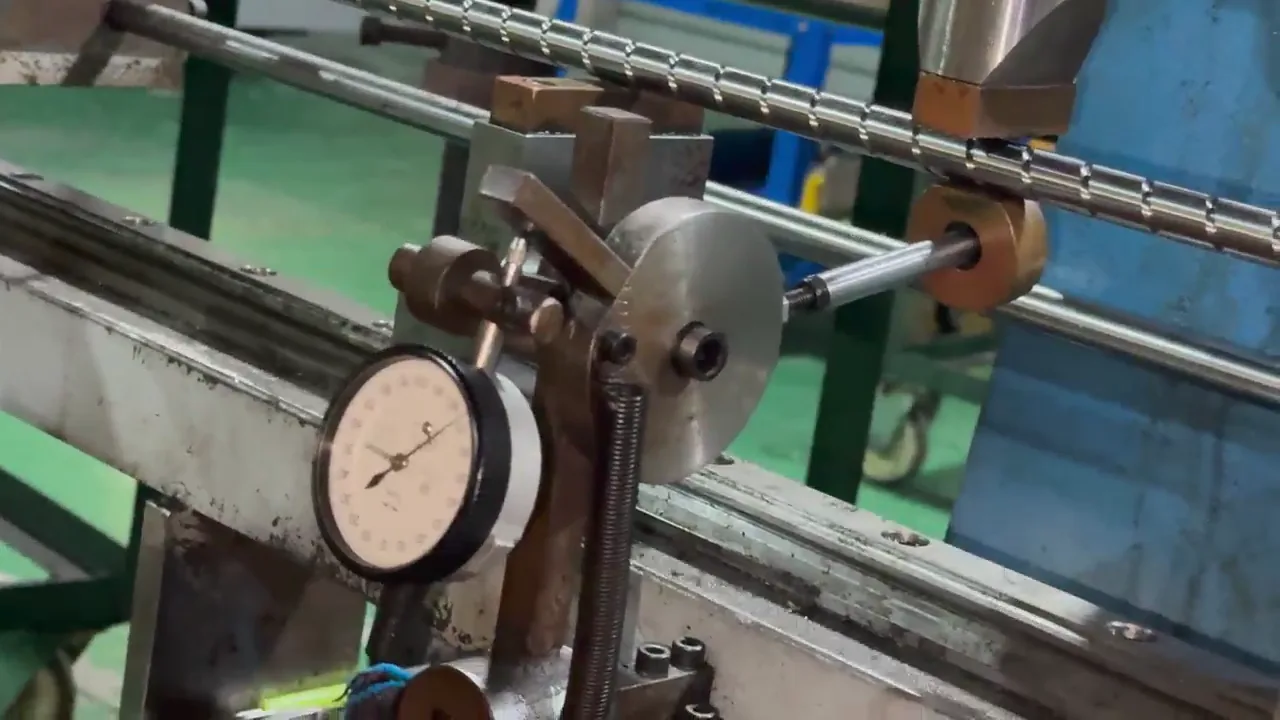
C5 vs C7 Ball Screw: Accuracy, Cost, and Buyer Selection
C7 and C5 differ in accumulated lead error, process, and lead time — not in being better or worse. Judge by the axis: most machines run C7, key axes need C5.
Send accuracy requirements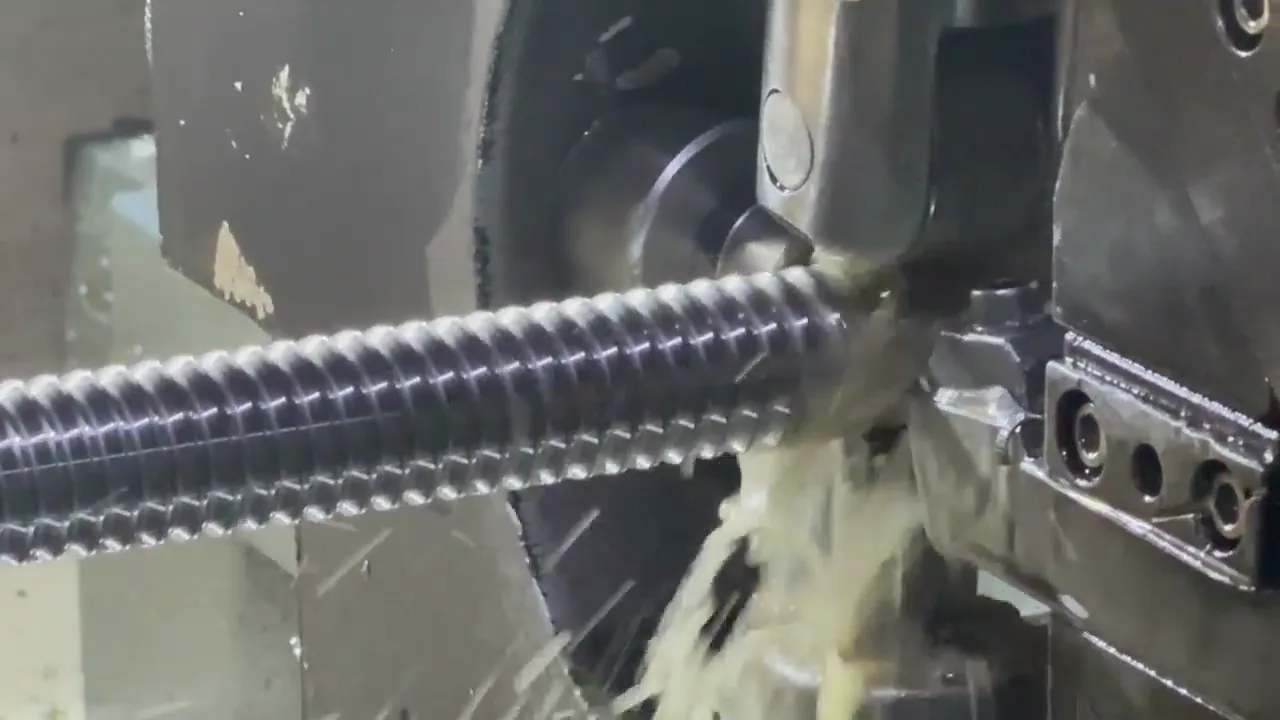
How Ball Screw Lead Changes Speed and Thrust
Compare how larger lead changes speed, thrust, and control margin, then list the axis parameters required before an RFQ.
Send lead and speed requirements