Accuracy class is about lead error
Ball screw accuracy class is defined by lead error, not just shaft diameter. C3, C5, and C7 are the three most common classes on the market: the smaller the number, the smaller the lead error, the higher the accuracy, and the higher the price. In practice, C5 and tighter classes are usually ground ball screws, while C7 is commonly rolled, which is why a "C5 ground ball screw" and a rolled C7 differ in both accuracy and cost.
The three classes compare as an order of magnitude (accumulated lead error over 300 mm):
| Class | Lead error order over 300 mm | Usual process | Typical application |
|---|---|---|---|
| C7 | About 0.05 mm | Rolled | Ordinary CNC, woodworking, general automation |
| C5 | About 0.023 mm | Ground | Machining centers, mold equipment, precision positioning |
| C3 | Around the 0.01 mm order | Ground, higher process requirements | Measuring equipment, high-end machining, lab instruments |
Exact values come from the ISO 3408-3 / JIS B1192 grade table and depend on diameter and length. The table also carries a second figure: deviation within 2π (the allowance over one revolution), which is a different measurement from the 300 mm accumulated value and cannot be used interchangeably at acceptance. Wording matters too: the standard table gives a permissible travel variation range (peak to valley), not a ± symmetric tolerance — writing 0.05 mm as ±0.05 mm doubles the allowed band. Acceptance always follows the parameter name and value in the standard table.
Choose the class by positioning requirement
Before choosing, ask what positioning accuracy the machine actually needs. Ordinary woodworking CNC works with C7, machining centers use C5, and precision engraving or measuring equipment needs C3. Accuracy you will not use only adds cost and lead time.
One fact gets overlooked: a tighter class does not fix thermal growth or installation error. A 1 m screw rising 5 K grows on the order of 60μm — comparable to the whole gap between C3 and C7. If the error comes mainly from heat or misalignment, paying for a higher grade buys nothing.
Accuracy is not the only factor
Besides the class, confirm nut preload (to remove backlash), screw support arrangement (fixed-support or fixed-fixed), and installation and adjustment. Without enough preload, even a C5 screw can show backlash.
State acceptance in the RFQ
- Accuracy class: C5 or C7, noted in the model.
- Acceptance criteria: lead error, axial clearance, and runout checks.
- Inspection report: whether factory measurement data travels with the goods.
- Installation: on-site installation or self-assembly.
- Measurement basis: whether any 300 mm section or the full travel, what one revolution means, and which end is the datum.
FAQ
How much more does C5 cost than C7? It depends on specification, length and quantity: for the same size, C5 needs grinding and a longer production run, so it costs more; the gap usually grows with diameter and length. We quote from the drawing and quantity.
Can the inspection report show accuracy? Yes. The factory report lists lead error, runout, and preload data, which you can compare with the stated class — and check whether the figure is a 300 mm value or a full-travel value.
Is C3 always better than C5? Not "better" but tighter and dearer. If the machine never uses that accuracy, the extra spend does not become a better product and stretches the lead time instead.
Next step
Turn this guide into an RFQ
When the specification direction is clear, send the details below together with quantity, lead time, and packing requirements.
Include these details
- Model, diameter, lead, accuracy grade, or target application.
- Load, speed, travel, mounting method, and matching rail or support-unit needs.
- Quantity, lead time, packing, and whether inspection records or shipment photos are needed.
Category
Related Technical Guides
Continue with similar buyer questions
C7 Ball Screw: What It Is and Where It Fits
Judge C7 suitability from the machine's positioning requirement, measurement length, and overall error budget.
Send C7 RFQ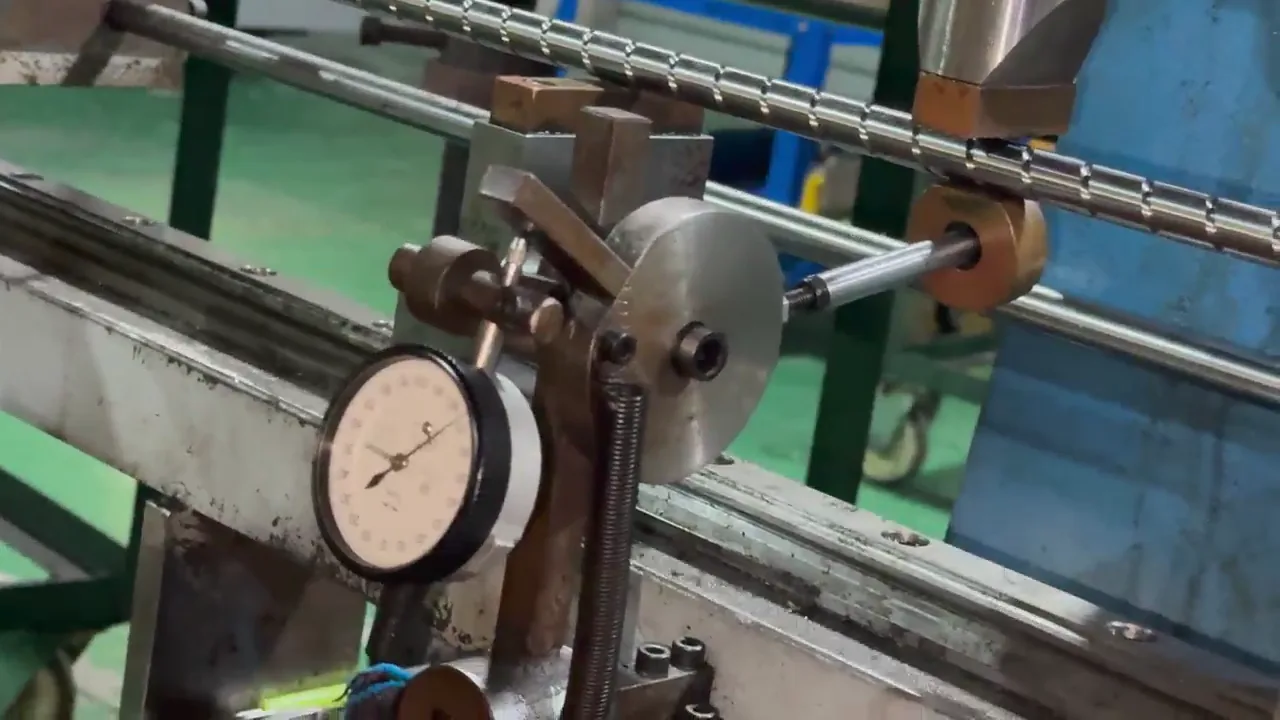
C5 vs C7 Ball Screw: Accuracy, Cost, and Buyer Selection
C7 and C5 differ in accumulated lead error, process, and lead time — not in being better or worse. Judge by the axis: most machines run C7, key axes need C5.
Send accuracy requirements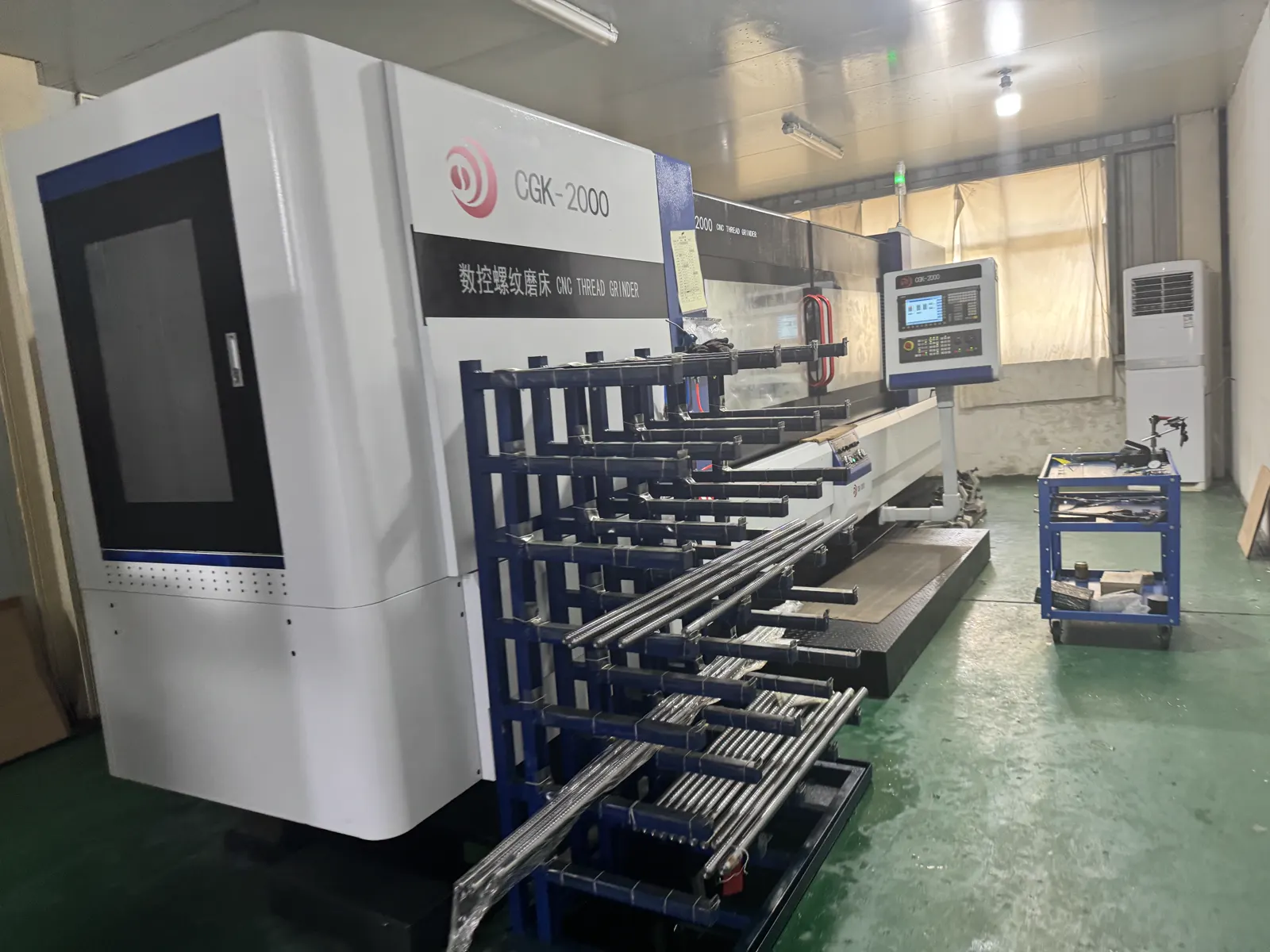
Rolled vs Ground Ball Screw: Differences and How to Choose
Choose rolled or ground by the machine accuracy requirement, then compare cost, lead time, preload, and the RFQ details that affect the assembly.
Send accuracy and application requirements