Lead decides travel per revolution
A larger lead moves farther at the same motor speed. A smaller lead moves less per motor rotation and gives finer control. CNC router selection should not chase speed only; cutting load and positioning need matter too. For the general relationship between lead, speed, and thrust, see how ball screw lead changes speed and thrust.
| Common lead | Rapid speed at 3000 rpm | Thrust from 1 N·m (efficiency 0.9) | Travel per pulse at 1600 pulses/rev |
|---|---|---|---|
| 1605 (5 mm) | 15 m/min | About 1.1 kN | About 3.1μm |
| 1610 (10 mm) | 30 m/min | About 0.57 kN | About 6.25μm |
| 2510 (10 mm) | 30 m/min | About 0.57 kN | About 6.25μm |
| 2505 (5 mm) | 15 m/min | About 1.1 kN | About 3.1μm |
The figures are order-of-magnitude; actual values depend on the motor, efficiency and duty cycle. A 2510 and a 1610 share a lead, but the larger diameter is stiffer and suits a longer gantry.
Different axes may need different leads
X and Y axes often focus on travel and speed, while the Z axis needs thrust, stability, and weight control. Many machines do not use the same lead on all axes, especially in repair and retrofit projects.
The common woodworking router combination is 1610 or 2510 on X/Y for rapid travel and 1605 on Z for lifting force and stable positioning. Cutting light material (plywood, acrylic) needs little thrust and can lean towards speed; cutting aluminium or stone raises the cutting force sharply, and the lead should move a step smaller.
Motor and support method limit the choice
Lead selection must match stepper or servo motor, driver setting, target rpm, support distance, and screw length. Long screws running fast also need critical speed and vibration checks.
Two traps are common. First, a stepper motor loses torque quickly at high rpm — a rated figure can halve by 3000 rpm, so work thrust from the torque at the actual speed before choosing a large lead. Second, on long travel the critical speed and DN value lower the usable rpm, but a larger lead still travels farther at any given rpm: what that limit affects is thrust margin and motor torque, not the lead's speed advantage.
RFQ checklist
- Describe machine type and cutting material.
- Provide X/Y/Z travel and target speed.
- Confirm motor type, rpm, and coupling size.
- Send support model or end machining drawing.
FAQ
Can all three axes share one lead? Yes, and for repair replacement matching the old parts is the safest route. On a new build the Z axis is more stable with a smaller lead; a single lead across all axes usually comes from spare-part commonality, not from being optimal.
Does changing the lead mean changing control parameters? Yes. Travel per pulse, limits and program compensation are set around the original lead, so a new lead has to be recalibrated or both speed and position shift. For the comparison, see 1605 versus 1610.
What lead suits cutting aluminium? Estimate thrust from the cutting force first, then work back to the lead. Aluminium cutting forces are far higher than wood, so the usual move is one step smaller to keep thrust margin.
Next step
Turn this guide into an RFQ
When the specification direction is clear, send the details below together with quantity, lead time, and packing requirements.
Include these details
- Model, diameter, lead, accuracy grade, or target application.
- Load, speed, travel, mounting method, and matching rail or support-unit needs.
- Quantity, lead time, packing, and whether inspection records or shipment photos are needed.
Category
Related Technical Guides
Continue with similar buyer questions
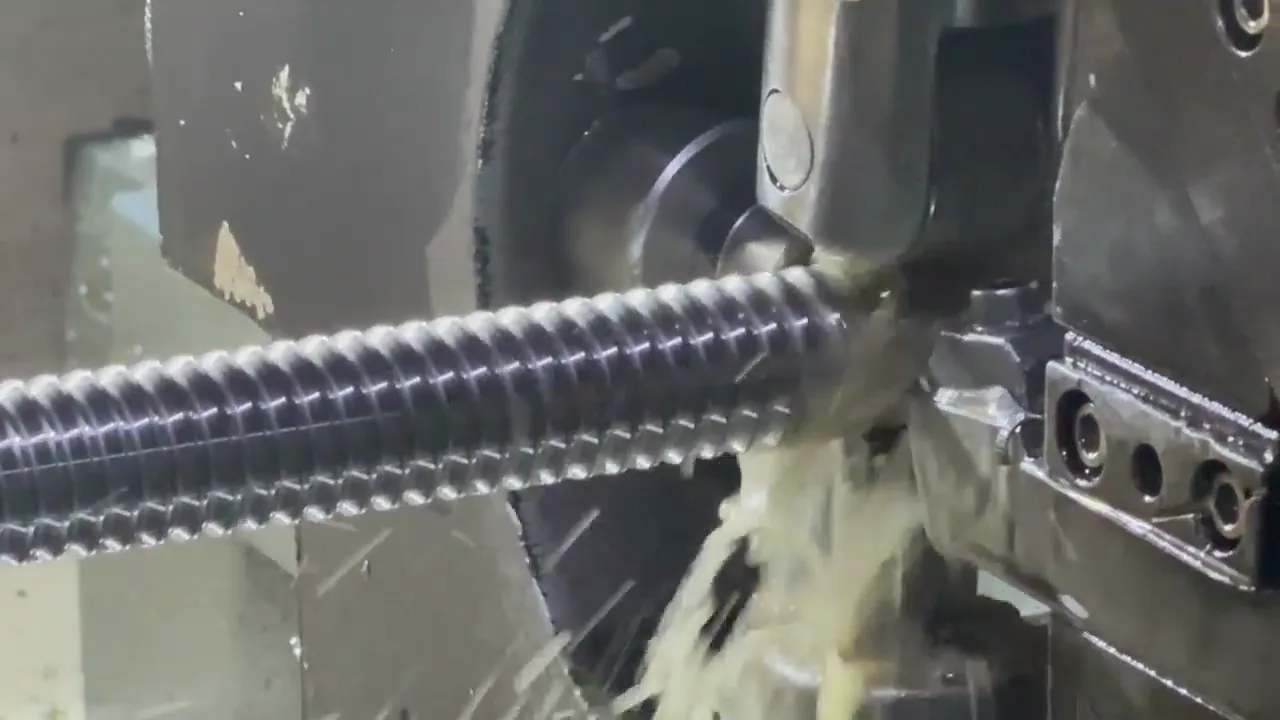
How Ball Screw Lead Changes Speed and Thrust
Compare how larger lead changes speed, thrust, and control margin, then list the axis parameters required before an RFQ.
Send lead and speed requirements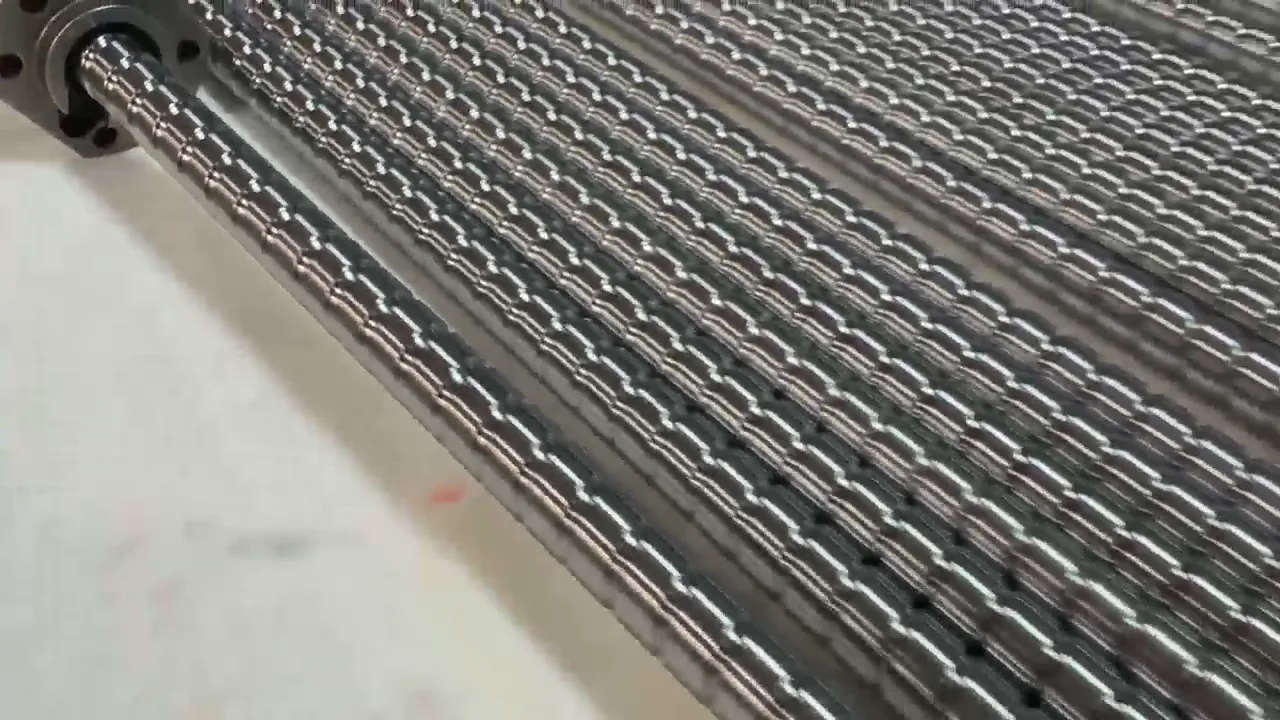
2505 vs 2510 Ball Screw: Lead, Speed, and Load Guide
Explain how 5 mm lead and 10 mm lead on a 25 mm diameter ball screw affect speed, thrust, and machine fit.
Send 2505/2510 requirements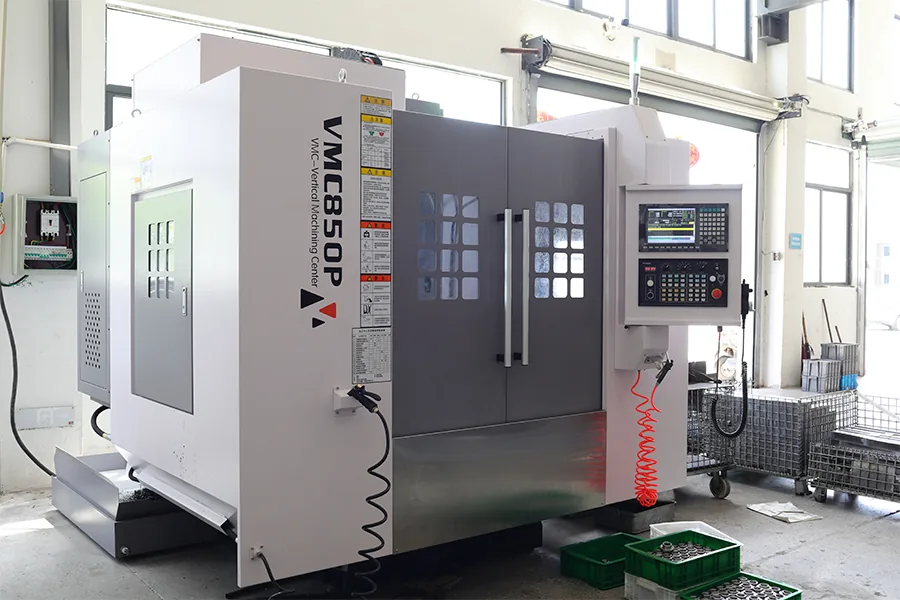
Ball Screw for CNC Machine: Selection Guide
Match ball screw lead, accuracy class, load, and end interface to the CNC machine conditions.
Send selection parameters