Inspection should match the application
A useful inspection report is not simply a thick document. It should cover the buyer risk, and the risk differs: standard parts need dimensions and interchangeability, repair replacement needs consistency with the old part, and only high-accuracy projects need accumulated lead error and preload.
What a usable report has to contain
Every item needs a criterion, or the number cannot be used. The common items map as follows:
| Item | What is recorded | Criterion |
|---|---|---|
| Accumulated lead error | Travel deviation within any 300 mm (e300) | Grade table: C7 on the order of 0.05 mm per 300 mm, C5 on the order of 0.023 mm per 300 mm (the table gives a permissible variation range, not a ± symmetric tolerance) |
| Deviation within one turn | Deviation over 2π | The 2π allowance for the same grade |
| Axial clearance or preload | Clearance value, or preload state and running torque | Drawing requirement, or the clearance/preload basis both sides agreed |
| End runout | Radial runout at the journal and bearing seat | End drawing or support unit fit |
| Nut running | Smooth running over full travel, abnormal noise | A consistent record of feel and noise |
| Dimensions | Diameter, lead, overall length, thread length, end sizes | Drawing dimensions and tolerances |
| Appearance and packing | Surface, threaded section, anti-rust, packing state | The packing requirements agreed on the order |
For what the grade figures mean and where they apply, see C5 vs C7; for the item list itself, see what a ball screw inspection report should include.
A number without a criterion cannot be accepted
A report that says "lead error 0.03 mm" without stating the reference length says nothing: 0.03 mm could be the figure over 300 mm or over the whole travel. A usable report states three things:
- Method and datum: which end is the datum, over what measured length, and whether any 300 mm section was used.
- Instrument and criterion: what was used to measure, and which drawing or grade table it was checked against.
- Sample scope: sample check or full check, how many screws, and which batch was covered.
Accuracy, assembly and dimension items should each be tied to a drawing or a grade table — not summarised as a list of "passed".
Photos are also quality records
For export orders, product photos, label photos, packing photos, and key dimension photos before shipment reduce receiving disputes. Distributors especially need these records for local customer confirmation. Anti-rust and support requirements for long shipments are in long ball screw export packing, and photo checking is covered in how to check shipment photos.
RFQ checklist
- State which inspection points are needed, and whether full inspection applies.
- Confirm whether dimension photos or data are required.
- Describe accuracy grade, preload, or backlash requirement.
- Ask for product, label, and packing photos before shipment.
- For export orders, state the required report language and units.
Put the inspection points, accuracy grade, and photo requirements in the RFQ form, then review the quality control and packing page for the available evidence.
FAQ
Can a report prove a whole batch? No. It proves the listed sample and inspection date, so the sample scope has to be written down. To cover a batch, agree sampling rates or the items that are checked in full.
Why does the report need criteria? Without a criterion the number cannot be judged. The same "lead error 0.03 mm" supports a completely different conclusion depending on whether the reference length is 300 mm or the full travel.
Should the report be in English? For export orders, English or a bilingual layout is safer, with consistent units (mm, μm). At minimum the item names, values and conclusions have to be readable by the receiving side.
Next step
Turn this guide into an RFQ
When the specification direction is clear, send the details below together with quantity, lead time, and packing requirements.
Include these details
- Inspection items, dimension records, or photo evidence that must be confirmed.
- Rust prevention, hard tube, carton, wooden case, label, and long-part support requirements.
- Quantity, transport method, destination market, and pre-shipment confirmation needs.
Category
Related Technical Guides
Continue with similar buyer questions
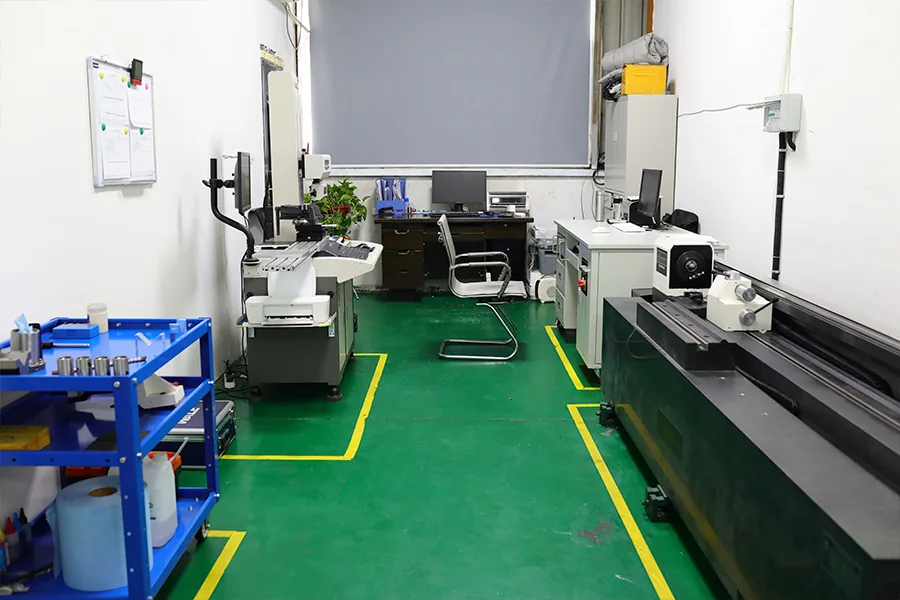
What Items Should a Ball Screw Inspection Report Include?
State the order, drawing revision, dimensions, tolerances, nut movement, and sampling scope in the inspection-report requirements.
Send inspection report request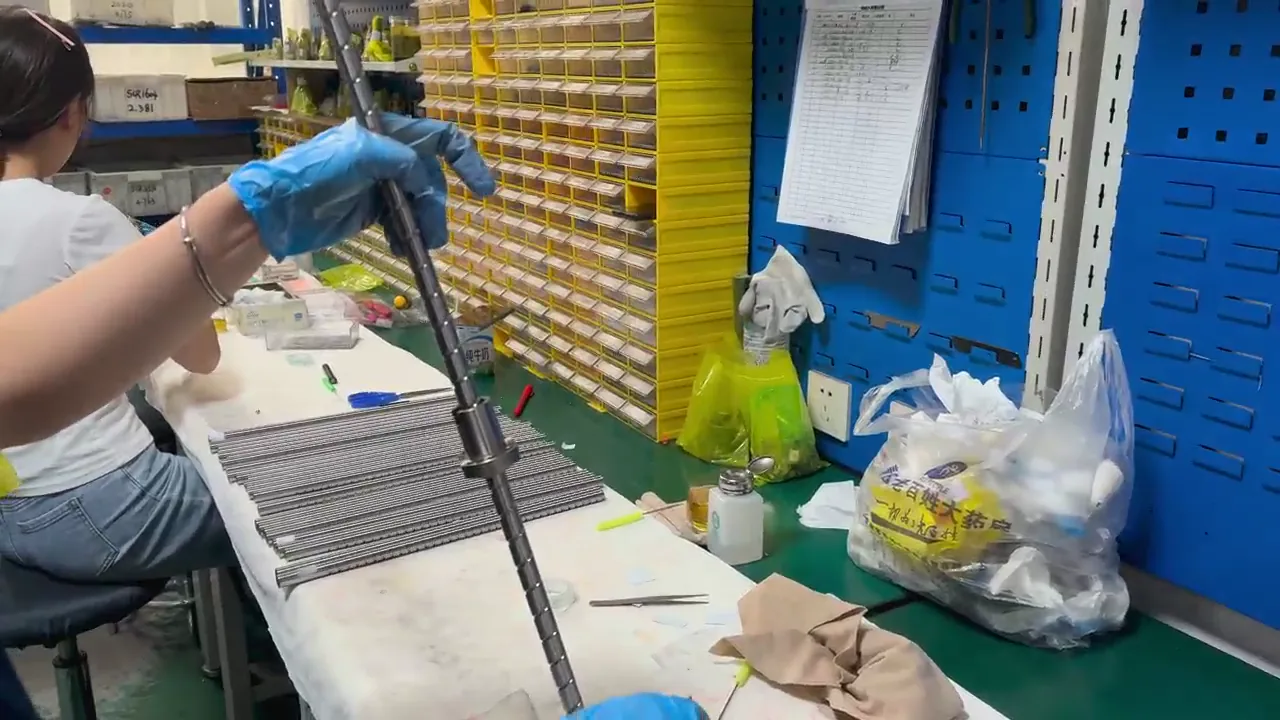
How to Pack Long Ball Screws for Export: Rust Prevention
Long ball screws have higher transport risk, so packing must handle rust, bending, impact, and receiving identification.
Send packing requirements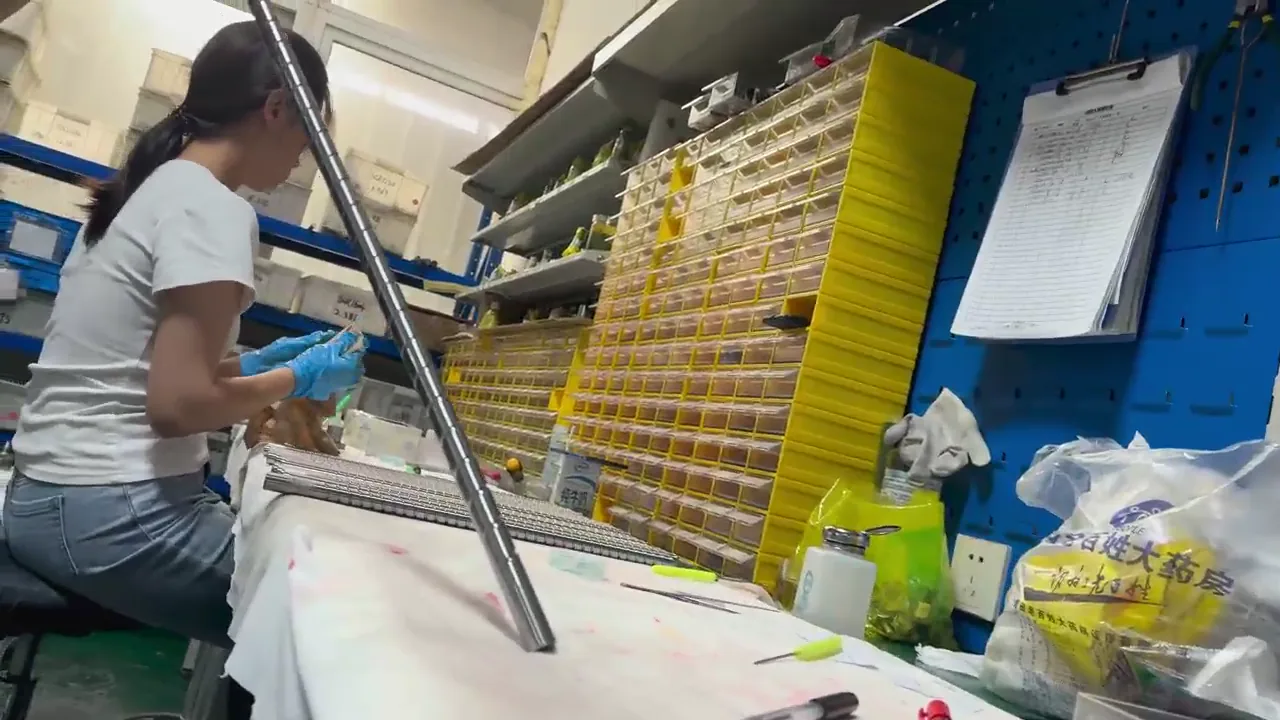
How to Add Wooden Case and Hard Tube Packing to a Ball Screw RFQ
State transit duration, shipping method, rust prevention, wooden-case or hard-tube choice, and label requirements in the RFQ.
Send packing purchase request