Stock is not a price decision
A distributor stock plan starts from the local customer base. Repair customers, small CNC shops and automation integrators differ in model, length, lead time and packing, and buying only by lowest price produces slow-moving stock.
Three questions decide whether an item belongs in stock: which models do local customers ask for repeatedly? How long does replenishment take? Can a wrong specification still be sold within six months? Anything that cannot answer all three stays out of the first batch.
Buyer decision table
Read the model number first: the first two digits are the nominal diameter, the last two the lead. A 1605 is 16 mm diameter with a 5 mm lead; a 1610 is 16 mm with a 10 mm lead. That rule is worth more than memorising model lists — any four-digit number a customer quotes tells you which size class it sits in.
1605, 1610, 2005, 2505, 2510, 3205 and 3210 are all common directions, but no market needs them all at once. Build the combination by tier:
| Stock tier | Model direction | Why it is stocked |
|---|---|---|
| Core fast movers | 1605, 1610, 2005, 2510 | The usual sizes for repair and small CNC, with the most repeat enquiries |
| Secondary | 2505, 3205, 3210 | Added once local sales and warehouse space justify it |
| Special lengths | Long bars or uncommon cut lengths | Bars are more flexible when demand varies (4–6 m by model) |
| Made to order | Machined ends, special nuts, specified preload | Quoted per order, never held in stock |
Why machined-end items do not belong in stock: the end dimensions depend on the customer's support unit and installation space, so a wrong guess is scrap.
First batch quantity and replenishment rhythm belong in the RFQ
The RFQ should state the first batch quantity, sample quantity, expected monthly replenishment rhythm and whether mixed models are allowed. Only then can the supplier judge price, production batch, nut matching and export packing.
Work the replenishment rhythm back with one rule: safety stock ≈ expected consumption over the replenishment period + a safety margin. If the local market uses 20 pieces a month and replenishment takes 3–7 days — the usual range for standard parts, depending on machining volume and difficulty — the first batch and the reorder point follow that period instead of covering every specification at once. For execution detail, see the distributor stock scenario.
RFQ checklist
- Target market: repair, small CNC, automation, or local distribution.
- Common models: 1605, 1610, 2005, 2510, plus planned extensions.
- Length form: full bars, common cut lengths, or standard parts with nuts.
- First batch quantity, replenishment rhythm, packing and labels, and whether shipment photos are needed.
- Whether models are mixed, and whether each model needs separate packing.
Send us your stock candidate list
Send weimute your candidate distributor stock list and target market. Our manufacturing and sales team sorts the items into core stock, trial stock and quote-only custom items before you commit warehouse budget, so the first batch follows your demand rather than our catalogue size.
FAQ
Should a new distributor stock every model at once? No. Prove demand and turnover on the core models first, then add the models customers keep asking for in the second batch.
Are machined-end screws good stock items? No. End dimensions follow the customer's support unit and installation space, so they cannot be made universal. Quote them per order.
How much bar versus finished stock? With local machining capability, bars carry most of the value — one 4–6 m bar covers several overall lengths. Selling straight to end users without further machining, stock the common cut lengths instead.
Next step
Turn this guide into an RFQ
When the specification direction is clear, send the details below together with quantity, lead time, and packing requirements.
Include these details
- Common models for the target market, bar length, nut pairing, and first-batch quantity.
- Neutral packing, labels, carton marks, batch information, and shipment photo requests.
- Repeat purchasing rhythm and whether cutting or end machining may be added later.
Category
Related Technical Guides
Continue with similar buyer questions
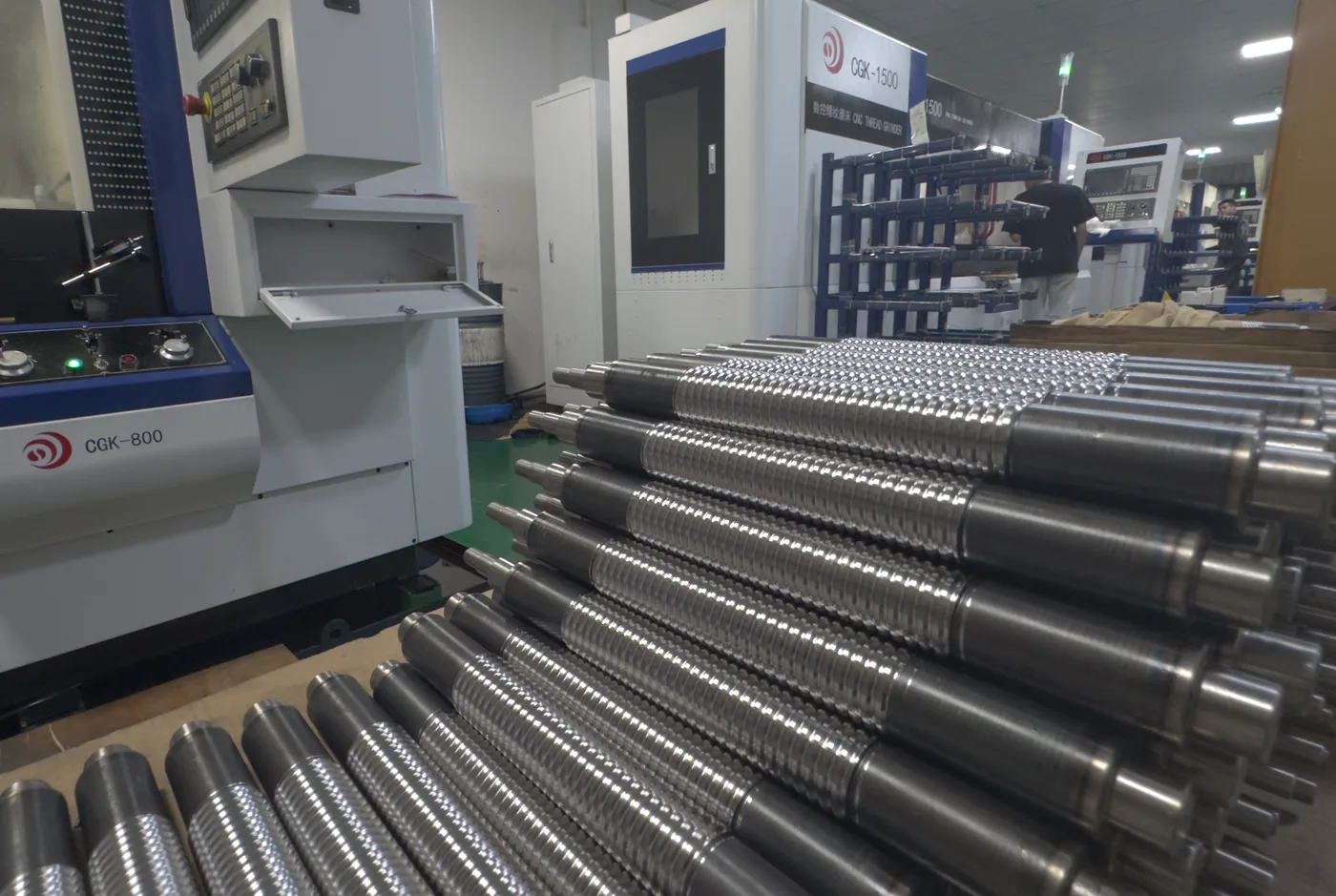
Ball Screws and Cut Lengths: Batch RFQ Guide
For a batch purchase, separate bar stock from cut lengths and list mixed models, matching nuts, and delivery batches.
Send batch bar purchase list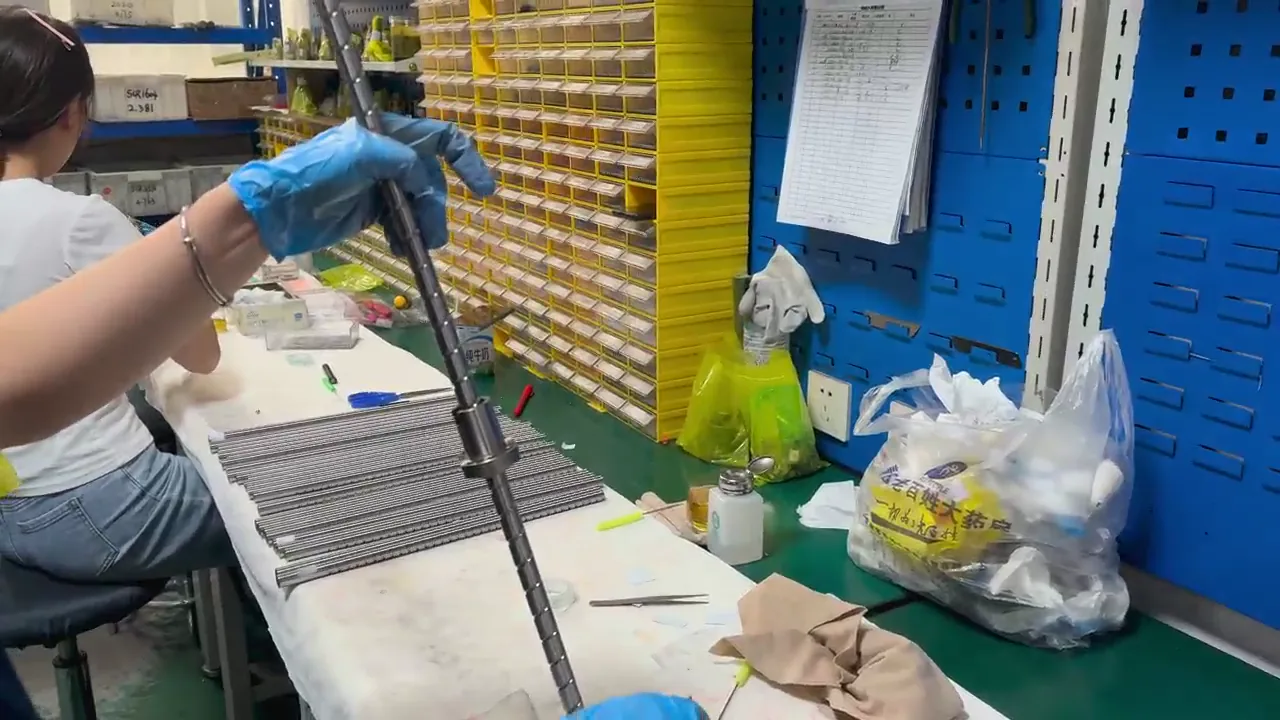
How to Write Neutral Labels and Export Packing into a Ball Screw RFQ
State label fields, carton marks, rust prevention, long-part support, and export packing requirements before shipment.
Send label and packing request
Ball Screw Supplier Checklist for Distributors
Evaluate stock coverage, labels, lead-time ranges, quality criteria, and drawing communication alongside price.
Send distributor cooperation needs