Buyer decision table
| Stock decision | Practical choice | Buyer benefit |
|---|---|---|
| Model range | Start with common 1605, 1610, 2005, 2010, 2505, 2510 | Covers common repair and CNC demand. |
| Length strategy | Keep bars plus fast-moving cut lengths | Balances flexibility and delivery speed. |
| Nut plan | Match standard flange nuts by model | Reduces dead stock and wrong pairings. |
| Packing | Neutral labels, rust prevention, carton marks | Supports resale and warehouse handling. |
| Replenishment rhythm | Sample, first order, monthly or quarterly plan | Keeps quotations stable across repeats. |
RFQ checklist
- List each bar model, stock length, and monthly or quarterly purchase quantity.
- State whether you need bare bars, bars with nuts, or cut-to-length service.
- Confirm neutral label content, carton mark format, and whether the weimute name should appear.
- Define rust prevention, hard tube or wooden case needs, and shipment photo requirements.
- Share target market and repeat order rhythm so price can reflect distributor cooperation.
Send us your distributor stock plan
Send weimute your model list, forecast, and packing rules. Our manufacturing and sales team will suggest which items are suitable for stock, which should stay made-to-order, and how to quote repeat supply terms. For storing long bars and preventing rust in your warehouse, see how to store ball screws and prevent rust.
FAQ
Which models should a distributor stock first? Start with the sizes your repair customers ask for repeatedly, then add special sizes only after demand is proven.
Can neutral packing be used for distributor stock? Yes, but label content and carton marks should be confirmed before production.
If I only sell ball screws, should I add matching products? If your customers often do repair or automation work, carrying linear guides, linear bearings, BK/BF support units and couplings reduces their second-purchase cost and helps build a fixed replenishment list.
Next step
Turn this guide into an RFQ
When the specification direction is clear, send the details below together with quantity, lead time, and packing requirements.
Include these details
- Common models for the target market, bar length, nut pairing, and first-batch quantity.
- Neutral packing, labels, carton marks, batch information, and shipment photo requests.
- Repeat purchasing rhythm and whether cutting or end machining may be added later.
Category
Related Technical Guides
Continue with similar buyer questions
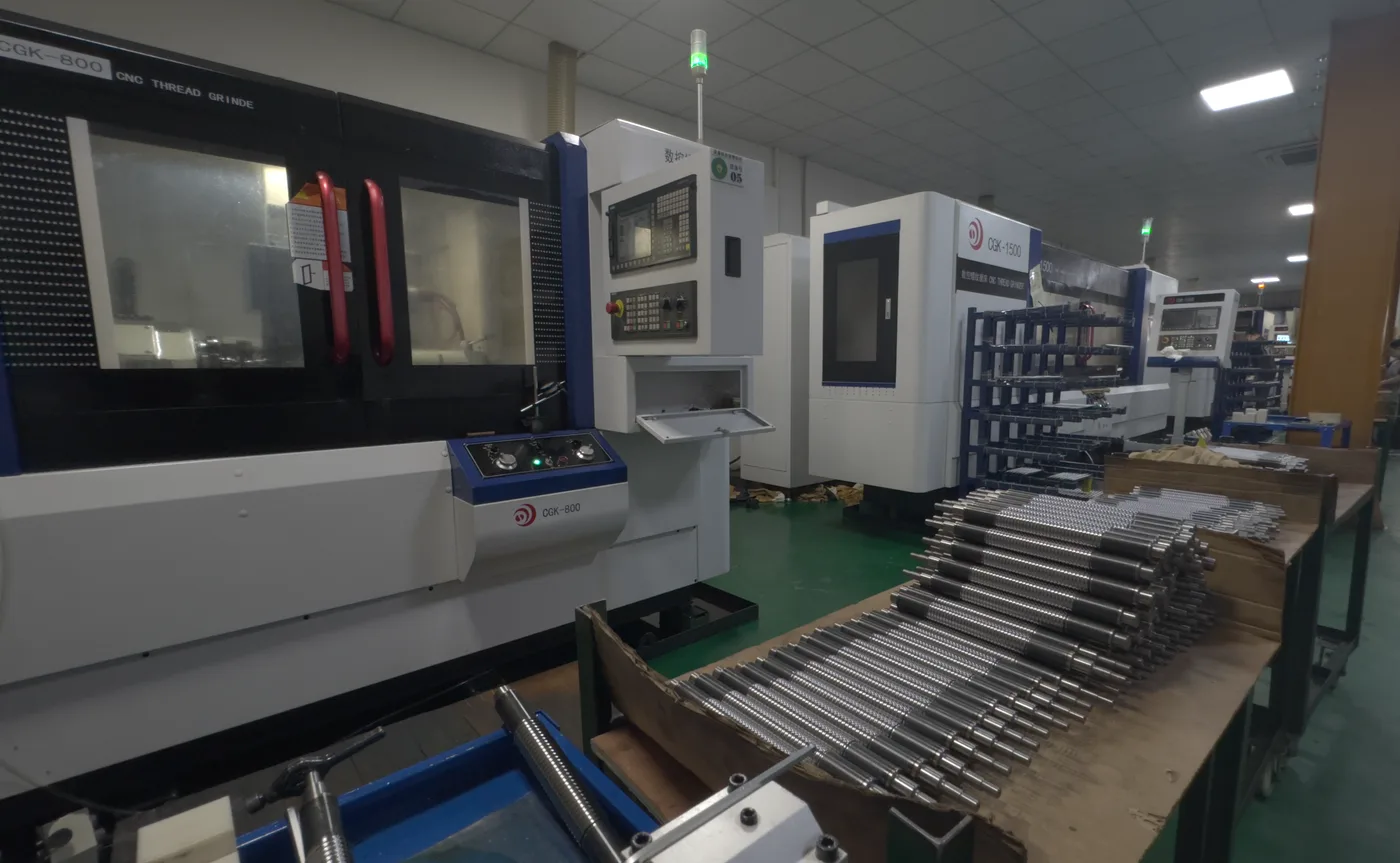
Distributor Stock: Confirm Models, Labels, and Packing First
Shows why model range, length, nut quantity, labels, and packing rules should be confirmed before a distributor quote.
Send distributor stock list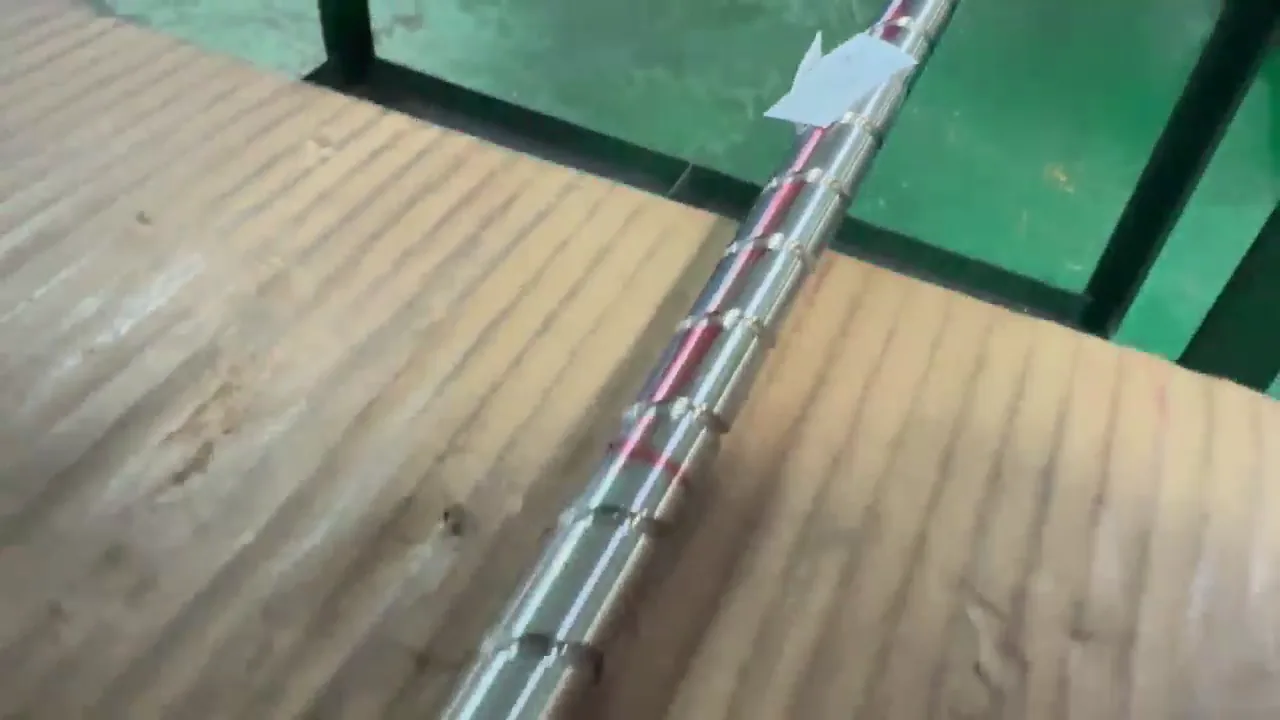
Ball Screw Supplier Checklist for Distributors
Evaluate stock coverage, labels, lead-time ranges, quality criteria, and drawing communication alongside price.
Send distributor cooperation needs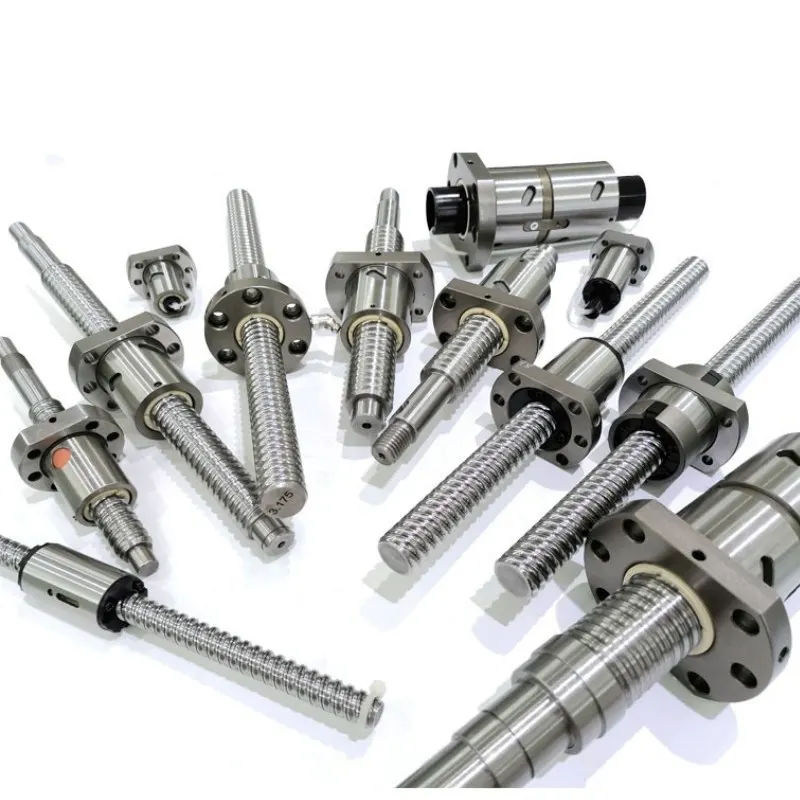
Ball Screw Unit Distributor Buying Guide
Choose fast-moving ball screw sizes, order bars or cut lengths, and state quantity, labels, packing, and lead time.
Send stock request