Price is only the first layer
Distributors need more than one-time low price. They need stable common models, reliable packing, clear labels, predictable lead time, and efficient after-sales communication. Unit price alone hides repeat-order cost, and repeat-order cost comes from three places:
- Stock-outs: without a stable source for common specifications, urgent orders go by air or get substituted, at far more than the price difference.
- Packing rework: if anti-rust or support turns out to be insufficient on arrival, the parts are re-handled or scrapped locally.
- Verification labour: incomplete labels push sorting and reconciliation onto people.
Added together, these usually weigh more than a few percentage points of unit price.
Stock coverage should match the market
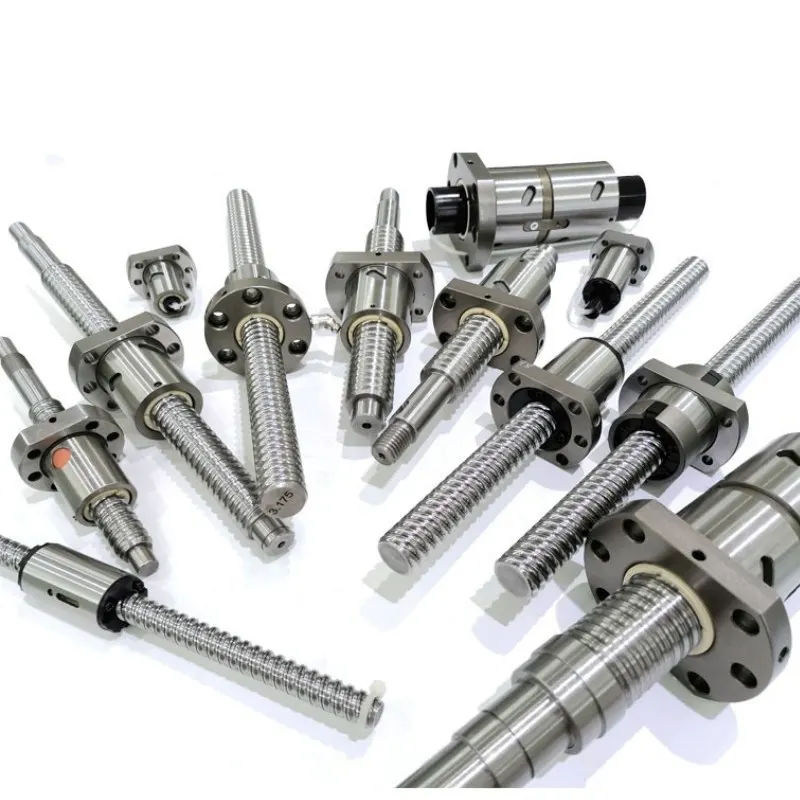
A useful supplier should support common models such as 1605, 1610, 2005, and 2510, and combine nuts, bar lengths, cutting, and basic machining according to local market demand. Do not ask whether a model exists — ask three things:
- Bar stock lengths: 4–6 m by model, and whether they cover the common overall lengths in your market.
- Cutting and end machining: which operations are in-house and which are subcontracted, because that sets both lead time and consistency.
- How nuts ship: with the screw, separately, or matched to the customer, which changes your warehouse handling.
See how to order ball screws for distributor stock, and for the bar-versus-cut-length question, batch purchasing bars and cut lengths.
Lead time has to come with a range
"Fast" and "as soon as possible" cannot set a reorder point. Ask for quantified ranges: rolled C7 standard parts ship in about 3–7 days depending on machining volume and difficulty, and ground parts made from a drawing run about 35–60 days depending on model and quantity. A supplier that gives the range together with the reason usually has its scheduling under control too.
Packing and identification affect local sales
Distributor customers often need neutral packing, labels, model identification, and stable cartons. Poor identification increases warehouse, shipping, and after-sales confirmation cost. Confirm specifically:
- Hard tube or wooden case for long parts, with internal support and end protection.
- Rust prevention chosen for the transit time and destination climate.
- Labels carrying model, diameter × lead, length, nut quantity and batch.
- Shipment photos, so you and the end customer can check the arrival.
Packing fields and label rules are covered in writing neutral labels and export packing into an RFQ.
Quality records have to carry criteria
Do not stop at whether an inspection report exists — check whether its numbers have criteria: accuracy against a grade (C7 on the order of 0.05 mm per 300 mm, C5 on the order of 0.023 mm per 300 mm), assembly against clearance or preload, dimensions against a specific drawing. A report without criteria is no help in a dispute. See how to read a ball screw inspection report.
Checklist
- Confirm common models, nuts, and bar lengths.
- Confirm labels, neutral packing, and carton requirements.
- Ask about stable lead time and batch rhythm, and require a range.
- Confirm support for cutting, end machining, and shipment photos.
- Confirm the inspection record format and what criteria the numbers are checked against.
- Watch the communication: does the supplier point out what your own list is missing.
FAQ
Is the cheapest supplier worth choosing? Only if it also holds lead-time ranges, packing and labels. If any of the three is unstable, repeat-order cost absorbs the difference.
How do I judge a supplier quickly? Send a list that deliberately omits the thread length and see whether it comes back with questions. A supplier that asks about the details usually inspects them too.
Do distributors need their own inspection equipment? Normally not, but they need to read reports: knowing which items should carry criteria is what lets you release or hold a shipment. For stock confirmation practice, see the distributor stock scenario.
Next step
Turn this guide into an RFQ
When the specification direction is clear, send the details below together with quantity, lead time, and packing requirements.
Include these details
- Common models for the target market, bar length, nut pairing, and first-batch quantity.
- Neutral packing, labels, carton marks, batch information, and shipment photo requests.
- Repeat purchasing rhythm and whether cutting or end machining may be added later.
Category
Related Technical Guides
Continue with similar buyer questions
Ball Screw Unit Distributor Buying Guide
Choose fast-moving ball screw sizes, order bars or cut lengths, and state quantity, labels, packing, and lead time.
Send stock request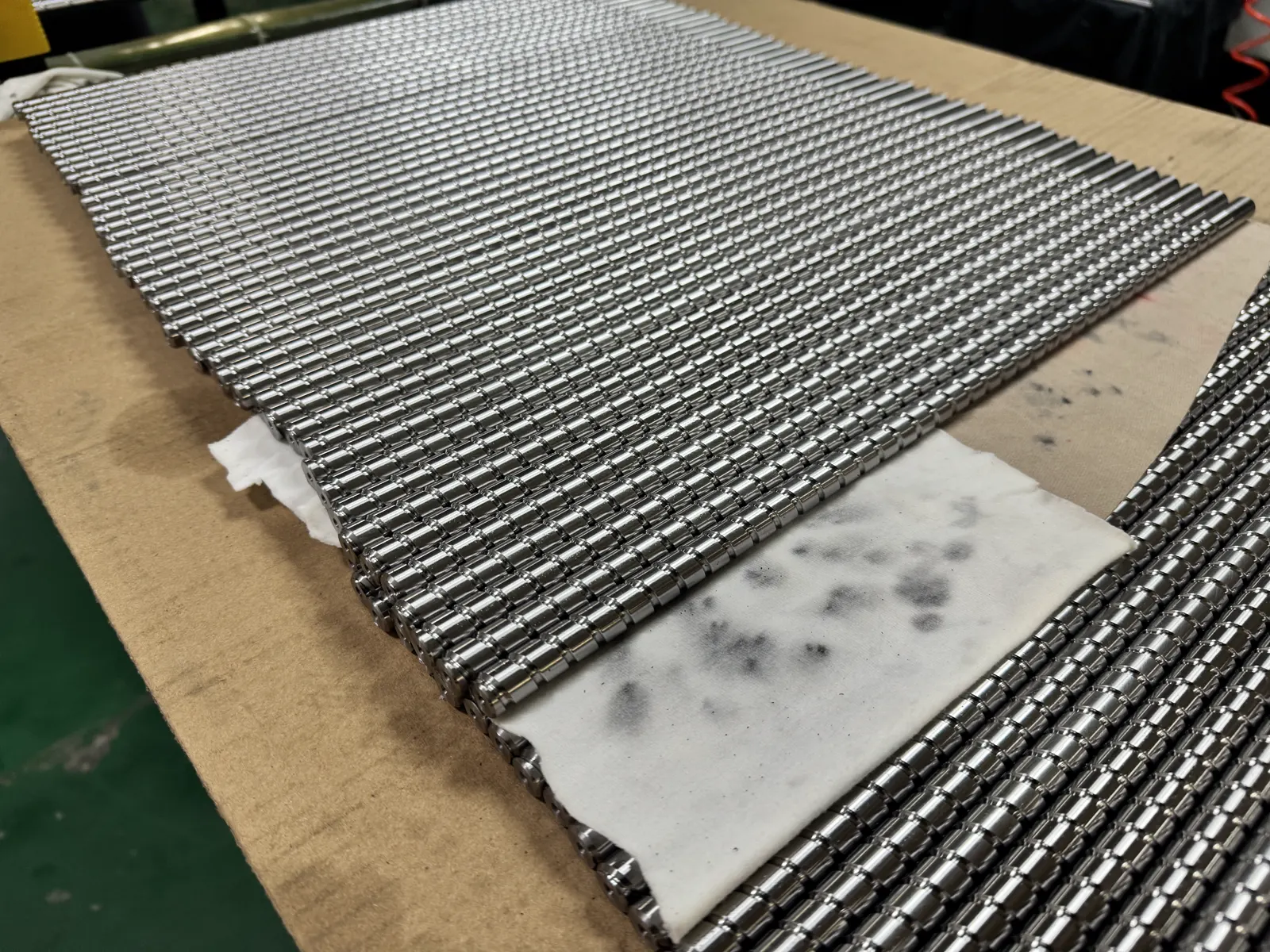
How to Order Ball Screws for Distributor Stock
State the model, length, nut, packing, and batch plan in a distributor RFQ.
Send distributor purchase list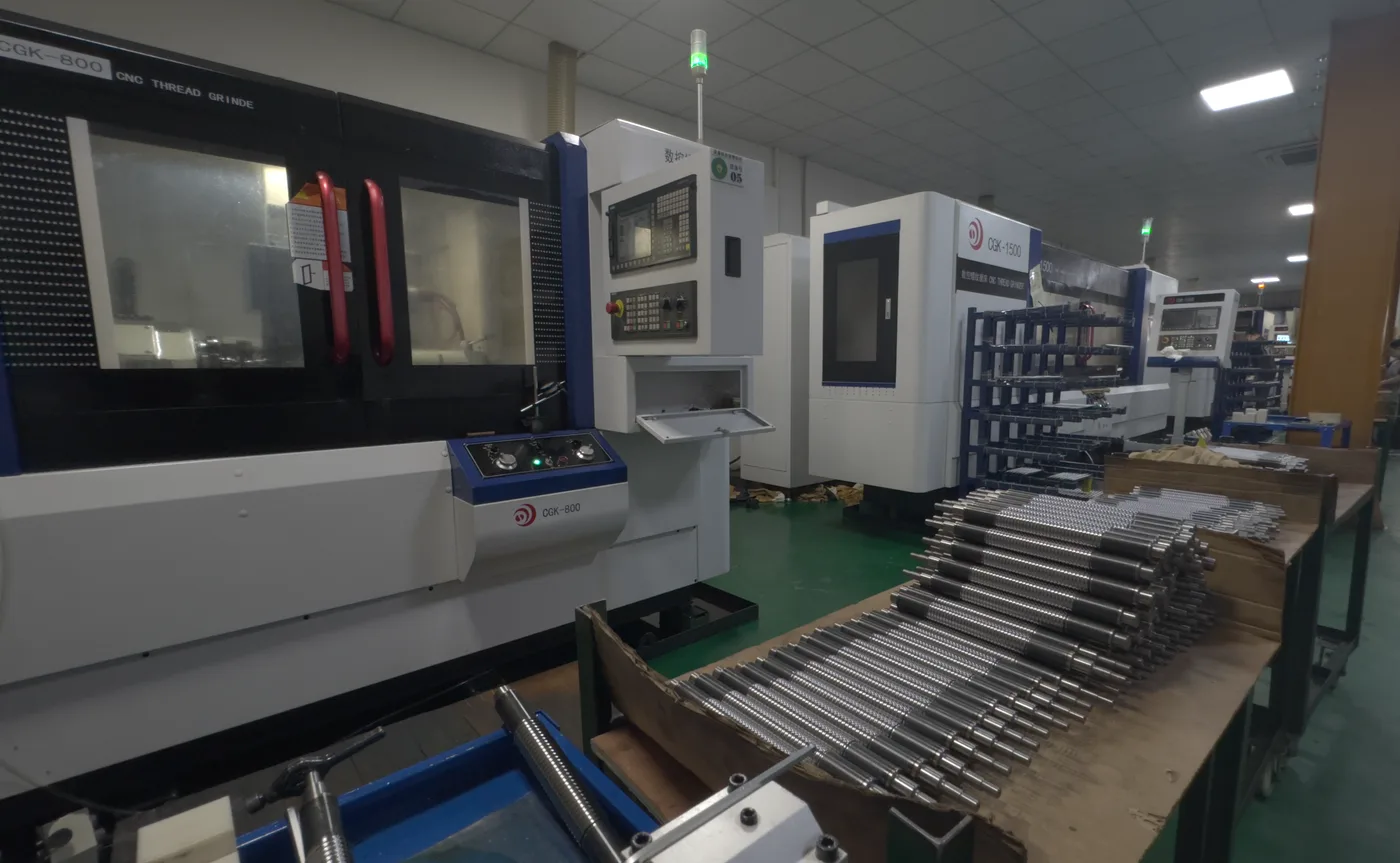
Distributor Stock: Confirm Models, Labels, and Packing First
Shows why model range, length, nut quantity, labels, and packing rules should be confirmed before a distributor quote.
Send distributor stock list