Illustrative scenario
A buyer ordered long ball screws for export shipment. The parts would go through long-distance transport, multiple handling points, and storage. In this situation, packing must focus on rust prevention, support, fixing, and clear arrival checks. For how to write neutral labels and export packing into the RFQ, see neutral labels and export packing RFQ.
One figure is routinely underestimated: the weight per piece. At steel density, a 16 mm diameter screw 2 m long already weighs on the order of 3 kg before the nut, the end machining allowance or the packing, so once the parts get long, freight and handling affect the quotation as much as the product.
Packing risk
If long ball screws are shipped in ordinary cartons, they can bend, get dented, rust, or lose labels during transport. Without shipment photos and packing records, the buyer may not know where a problem happened after arrival. The risks fall into four groups:
- Bending: a long screw sags under its own weight when laid flat, and vibration and stacking in transit make it worse. Once bent, thread accuracy cannot be recovered at assembly.
- Impact damage: the machined ends (journals, bearing seats, lock thread) are fitting surfaces; a dent means the support unit will not fit.
- Rust: sea freight plus storage commonly runs into weeks, and a surface oil film is not enough — the rust prevention has to match the duration.
- Lost identification: if the label comes off, warehouse sorting and batch checking stop there.
Confirmation checklist
- Overall length, quantity, single-piece weight, and whether nuts ship together.
- Transport method, estimated transit time, and storage time.
- Rust-prevention oil, wrapping, hard tube, carton, or wooden case packing.
- Internal support, end protection, carton marks, and batch labels.
- Product photos, label photos, packing photos, and packing records.
The longer the part, the more it favours a hard tube or a wooden case over a carton; the exact choice follows part length, quantity, unit weight and shipping mode. Support points follow the length, with support at both ends and in the middle so the screw cannot resonate or sag in transit.
Handling approach
Before quotation, confirm length and transport conditions first, then choose the packing level. Longer screws should usually use hard tube or wooden case support. Ends and nut areas need separate protection. Rust prevention should be selected according to sea freight, air freight, storage time, and destination climate.
Export packing also has a customs point to settle early: solid-wood packing normally needs ISPM 15 heat treatment or fumigation with the mark applied, while a plywood case counts as processed wood and is normally exempt. Where the destination inspects wood packaging strictly, a plywood case removes one step from the process.
What to prepare before RFQ
The buyer should state overall length, quantity, destination country, transport method, expected storage time, split-shipment needs, hard-tube or wooden-case requirements, and whether shipment photos are needed. This lets the supplier include packing cost and delivery risk in the quote.
If the destination has fumigation or marking requirements for wood packaging, state them as well, so the issue is not discovered at the port.
Shipment photos
Shipment photos are not decorative material. They support buyer records and arrival checks. Keep photos of the full product, model labels, end protection, outer packing, and loading condition so distributors or end customers can verify the shipment after arrival. See how to check shipment photos for long ball screws.
FAQ
Hard tube or wooden case? It depends on length, quantity and transport. A single long part or a few pieces usually go in a hard tube; multiple pieces, very long parts or shipments that will be stacked go in a wooden case with internal support and end caps.
Does a wooden case need fumigation? Solid-wood packing normally needs ISPM 15 heat treatment or fumigation with the mark applied; plywood cases are normally exempt. When in doubt, confirm against the destination requirement first.
What is the minimum set of shipment photos? Five groups: full product, model label, end protection, outer packing, and loading condition. Miss one and the arrival check has a blind spot.
Next step
Turn this guide into an RFQ
When the specification direction is clear, send the details below together with quantity, lead time, and packing requirements.
Include these details
- Inspection items, dimension records, or photo evidence that must be confirmed.
- Rust prevention, hard tube, carton, wooden case, label, and long-part support requirements.
- Quantity, transport method, destination market, and pre-shipment confirmation needs.
Category
Related Technical Guides
Continue with similar buyer questions
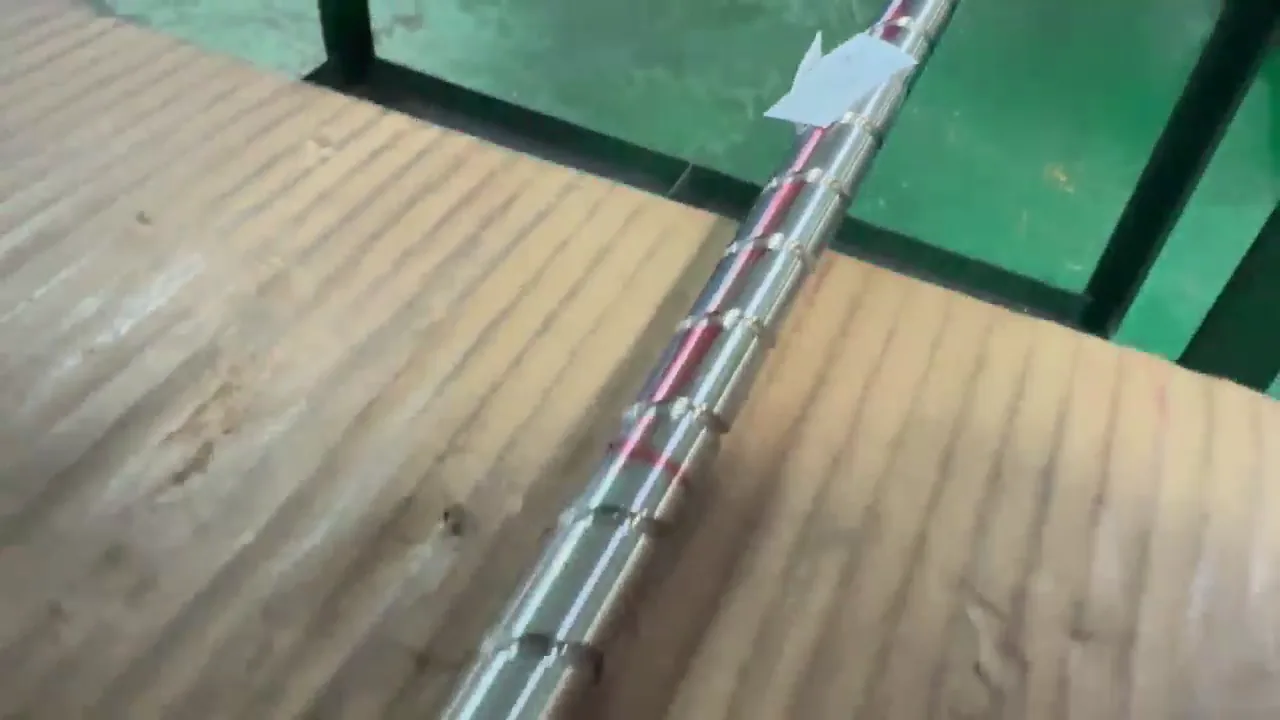
How to Check Shipment Photos for Long Ball Screws
Use shipment photos to verify model, quantity, labels, end protection, long-part support, and packing condition.
Send shipment photo request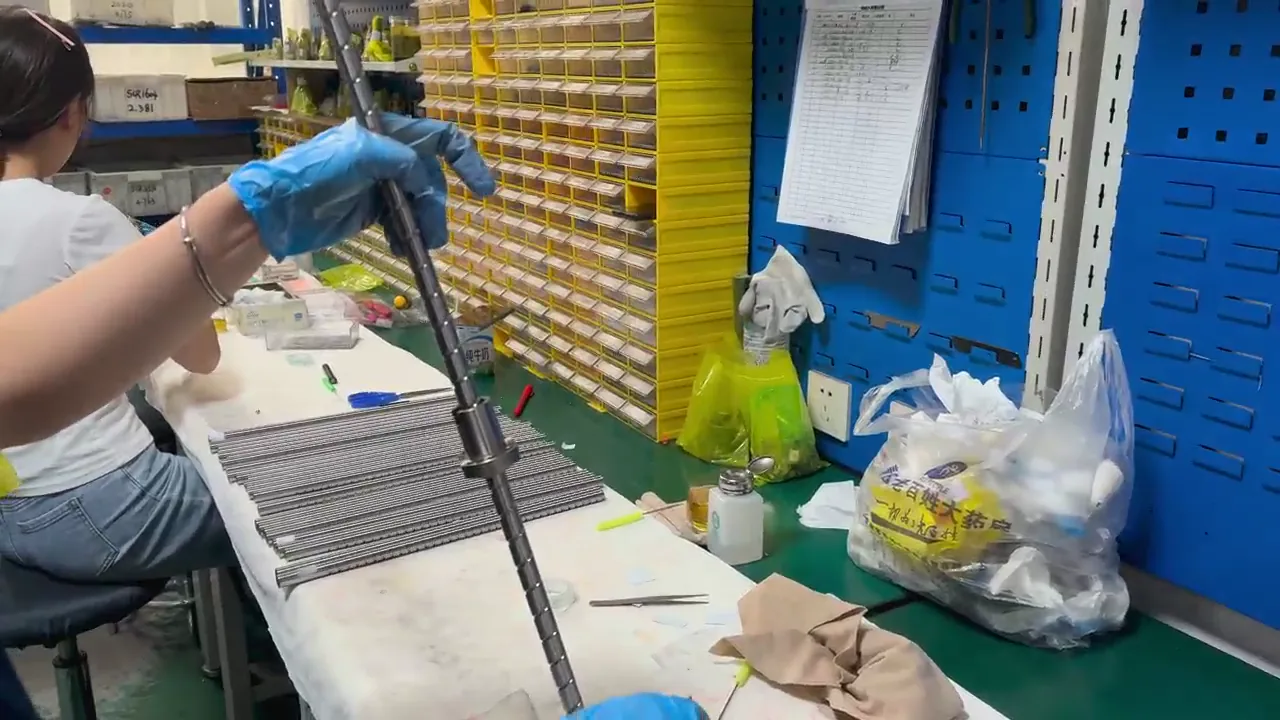
How to Pack Long Ball Screws for Export: Rust Prevention
Long ball screws have higher transport risk, so packing must handle rust, bending, impact, and receiving identification.
Send packing requirements
How to Add Wooden Case and Hard Tube Packing to a Ball Screw RFQ
State transit duration, shipping method, rust prevention, wooden-case or hard-tube choice, and label requirements in the RFQ.
Send packing purchase request