Long parts are more than wrapped
The longer a ball screw, the higher the risk of bending, impact damage, and rust in transit. The packing plan follows length, weight, quantity, transport mode, and the customer's receiving requirements.
Length sets the first tier: up to about 1 m a carton works for short, light standard parts; 1–3 m normally goes in a hard tube, which suits a single part or a few long pieces; beyond 3 m or stacked shipments need a wooden case with several support points. That tier decides everything downstream.
Buyer decision table
| Packing risk | Recommended control | When to request it |
|---|---|---|
| Rust | Anti-rust oil, sealed wrapping, desiccant if needed | Sea freight, humid destinations, long storage. |
| Bending | Hard tube, wooden case, inner supports | Long screws or thin diameters. |
| Impact | End protection, foam, fixed inner brackets | Mixed cargo or long-distance transport. |
| Resale handling | Neutral labels, carton marks, shipment photos | Distributor stock or customer-facing delivery. |
Protect the thread and the machined ends
The threaded section, the nut, the journals, keyways and threaded ends all have to avoid impact. Once the ends are machined, their protection and fixing matter most: journals and bearing seats are fitting surfaces, and a bruise means the support unit will not fit — damage that is usually discovered at assembly.
The nut needs fixing too, so it cannot slide along the screw in transit and hit an end. Solid-wood packing for export also needs its ISPM 15 heat treatment or fumigation confirmed; plywood cases are normally exempt.
Leave evidence before shipment
For distributors and industrial customers, product photos, label photos, carton marks, and packing photos support receiving and after-sales discussions. For bar stock, see how to store ball screws and prevent rust; for how to check the photos, see how to check shipment photos for long ball screws.
RFQ checklist
- Confirm model, length, quantity, and whether screws ship as bars, sets, or machined parts.
- State destination country, transport mode, and expected storage time after arrival.
- Request hard tube, wooden case, anti-rust treatment, neutral labels, or carton marks as needed.
- Ask for pre-shipment photos showing labels, protection, wooden case, and full package length.
- Tell weimute if the packing must meet your distributor or end-customer standard.
Send us your packing requirements
Send weimute your length list, destination, transport mode, and packing rules before quotation. Our manufacturing and sales team will separate product price from export packing cost so the offer is easier to compare — if the difference comes from packing rather than the screw, you can see it on the line items.
FAQ
Is a wooden case always necessary? Not always. It depends on length, diameter, transport mode, and handling risk. For stock and storage, see how to store ball screws and prevent rust.
How many support points are needed? Place them along the length, with support at both ends and in the middle, so no long span is left unsupported. The layout follows diameter and length; thin long parts need closer spacing.
Why quote packing separately? Separate lines make it clear whether a price difference comes from the screw itself or from export protection, so changing the packing does not break the comparison.
Next step
Turn this guide into an RFQ
When the specification direction is clear, send the details below together with quantity, lead time, and packing requirements.
Include these details
- Inspection items, dimension records, or photo evidence that must be confirmed.
- Rust prevention, hard tube, carton, wooden case, label, and long-part support requirements.
- Quantity, transport method, destination market, and pre-shipment confirmation needs.
Category
Related Technical Guides
Continue with similar buyer questions

Long Ball Screw Export Packing: Rust, Support, Photos
Shows why rust prevention, support, fixing, and shipment photos should be confirmed before quoting long parts.
Send packing requirements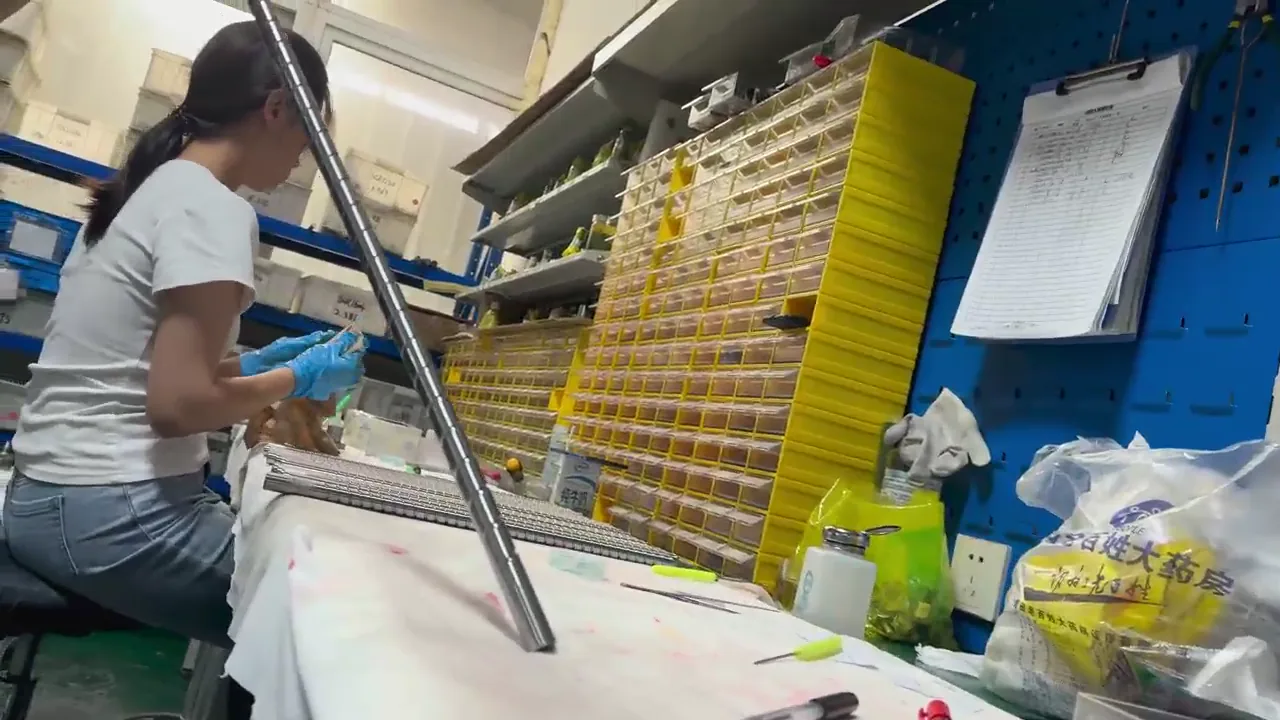
How to Store Ball Screws and Prevent Rust
On receipt, check rust protection, multi-point support, humidity, labels, and FIFO records for long ball screws.
Send stock packing requirements
How to Add Wooden Case and Hard Tube Packing to a Ball Screw RFQ
State transit duration, shipping method, rust prevention, wooden-case or hard-tube choice, and label requirements in the RFQ.
Send packing purchase request