Packaging machines care about repeat stability
Ball screws in packaging machines drive pushers, positioning, sealing, labelling, filling adjustment and lifting mechanisms. Compared with a single action, repeated motion, cycle time and long-term stability matter more, so the RFQ has to state the real running frequency.
A repeated-motion axis also fails differently: not "not enough thrust" but long-term wear, lubrication breakdown and rising noise.
Cycle time beats top speed
The RFQ should state cycles per minute, stroke per cycle, working speed, acceleration and dwell time. Top speed alone pushes the selection away from real use and affects life and noise.
Converting a cycle into speed takes two steps:
| Step | Calculation | Example |
|---|---|---|
| 1. Travel per minute | Round-trip distance × cycles per minute | 600 mm × 30 = 18000 mm/min = 18 m/min |
| 2. Peak speed | Average speed ÷ fraction of cycle spent moving | 18 ÷ 0.6 ≈ 30 m/min |
With the peak speed, lead and rpm follow: 30 m/min on a 10 mm lead needs about 3000 rpm, while a 5 mm lead needs about 6000 rpm — which very likely exceeds the DN value and critical speed limits. One number, the cycle time, therefore rules out a lead before anything else is discussed.
For how to describe an automation application overall, see automation application parameters RFQ.
Load and positioning belong in separate sentences
Load covers pusher force, fixture weight, product weight and vertical or horizontal mounting. Positioning covers accuracy, repeatability, backlash and preload, and different stations balance accuracy against cost differently.
A common split on a packaging line is rolled C7 for pusher and index axes, with a higher grade only for inspection or precision filling stations. For the grade choice, see C5 vs C7.
Lubrication and cleaning affect food or consumer packing
Packaging machinery may see dust, film offcuts, paper dust, liquids or cleaning agents. Lubrication method, cleaning interval, cover and pre-shipment cleaning condition belong in the RFQ so the maintenance method matches on arrival.
Under repeated motion, lubrication intervals are counted in running distance or time (per the manufacturer's specification), which is more accurate than a calendar interval — a fast machine can cover in months what a slow one covers in years.
Batch equipment orders need lead time and spares
If this is an OEM batch order, state the sample quantity, first batch, monthly volume, spare ratio, packing labels and inspection report requirements. Stable repeat supply matters more than a one-off lowest price.
Standard rolled C7 ships in about 3–7 days depending on machining volume and difficulty, which can follow a production line's spare-parts rhythm; a ground part from a drawing takes about 35–60 days and belongs in the purchasing plan early.
Application decision table
| Packaging machine condition | What to send | Why it matters |
|---|---|---|
| Fast repeated motion | Cycle time, stroke, speed, acceleration | Affects lead, life, and lubrication. |
| Positioning process | Accuracy, repeatability, backlash | Controls grade and preload discussion. |
| Food or clean area | Cleaning, lubrication, cover request | Affects protection and maintenance notes. |
| Batch equipment order | Quantity, standard model, spare plan | Helps weimute quote repeat supply. |
RFQ checklist
- Packaging machine type, axis function, repeated motion pattern, stroke, and cycle time.
- Load, speed, positioning accuracy, repeatability, backlash, and duty cycle.
- Lubrication, cleaning method, cover, dust or liquid exposure, and maintenance interval.
- Screw model, lead, nut style, support unit, motor connection, end machining, and inspection needs.
- Quantity, sample-to-batch plan, packing, destination, and delivery target.
Send us the repeated motion data
Send weimute the packaging machine motion cycle, load, positioning requirement, lubrication and cleaning context, and quantity plan. Our manufacturing and sales team can separate sample needs from batch supply and quote a practical route.
FAQ
Can repeated motion use a standard ball screw? Often yes, but cycle time, load, lubrication, and cleaning conditions must be checked — any one of the four can push the choice away from a standard part.
What matters more, speed or life? On packaging equipment they have to be balanced together: the lead sets speed, while load, lubrication and duty cycle set life. Pressing one side usually shows up on the other.
Why send the cycle time instead of just top speed? Because the cycle time sets the real average and peak speeds. With only a top-speed figure the selection easily lands on a combination that runs but wears out early.
Next step
Turn this guide into an RFQ
When the specification direction is clear, send the details below together with quantity, lead time, and packing requirements.
Include these details
- Model, diameter, lead, accuracy grade, or target application.
- Load, speed, travel, mounting method, and matching rail or support-unit needs.
- Quantity, lead time, packing, and whether inspection records or shipment photos are needed.
Category
Related Technical Guides
Continue with similar buyer questions
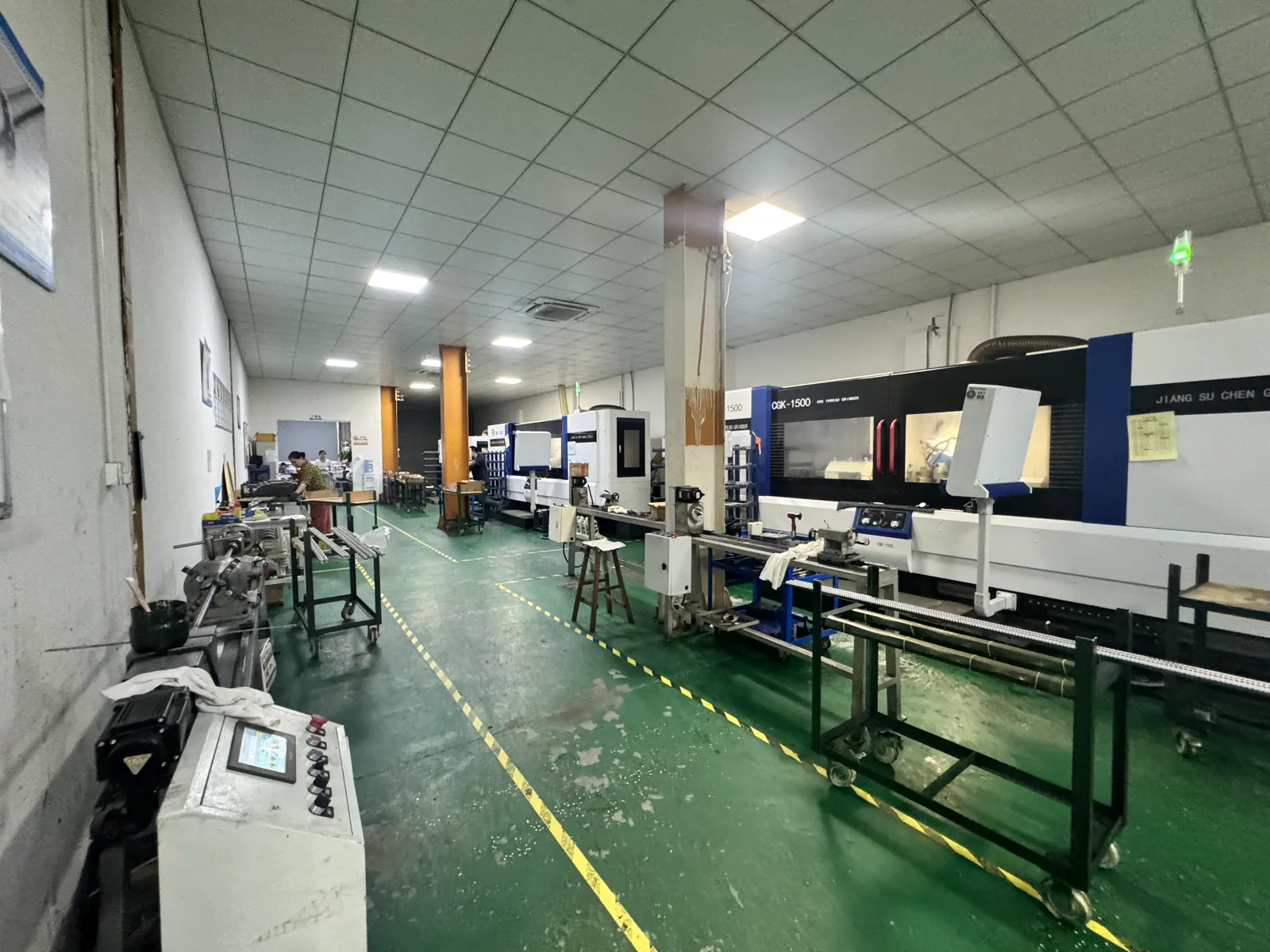
Automation Ball Screw RFQ: How to State Application Parameters
An automation-equipment RFQ needs application parameters alongside the model, accuracy, lead-time, and packing requirements.
Send automation application parameters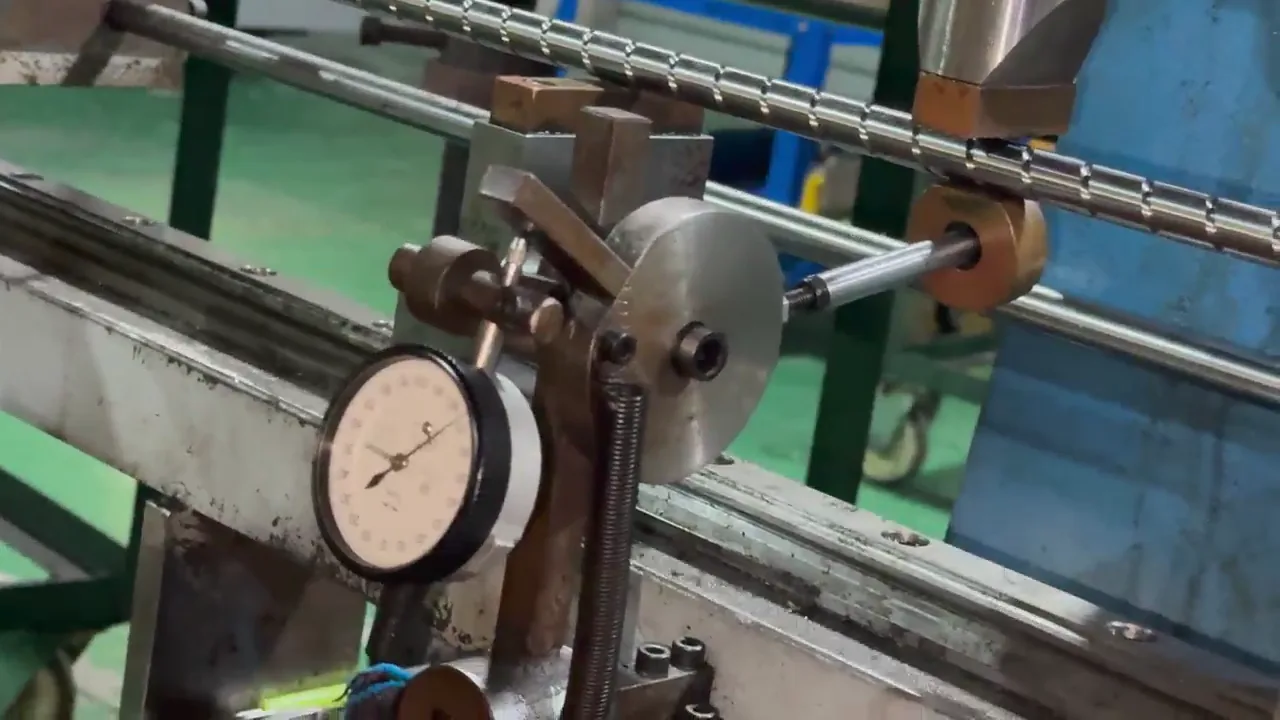
C5 vs C7 Ball Screw: Accuracy, Cost, and Buyer Selection
C7 and C5 differ in accumulated lead error, process, and lead time — not in being better or worse. Judge by the axis: most machines run C7, key axes need C5.
Send accuracy requirements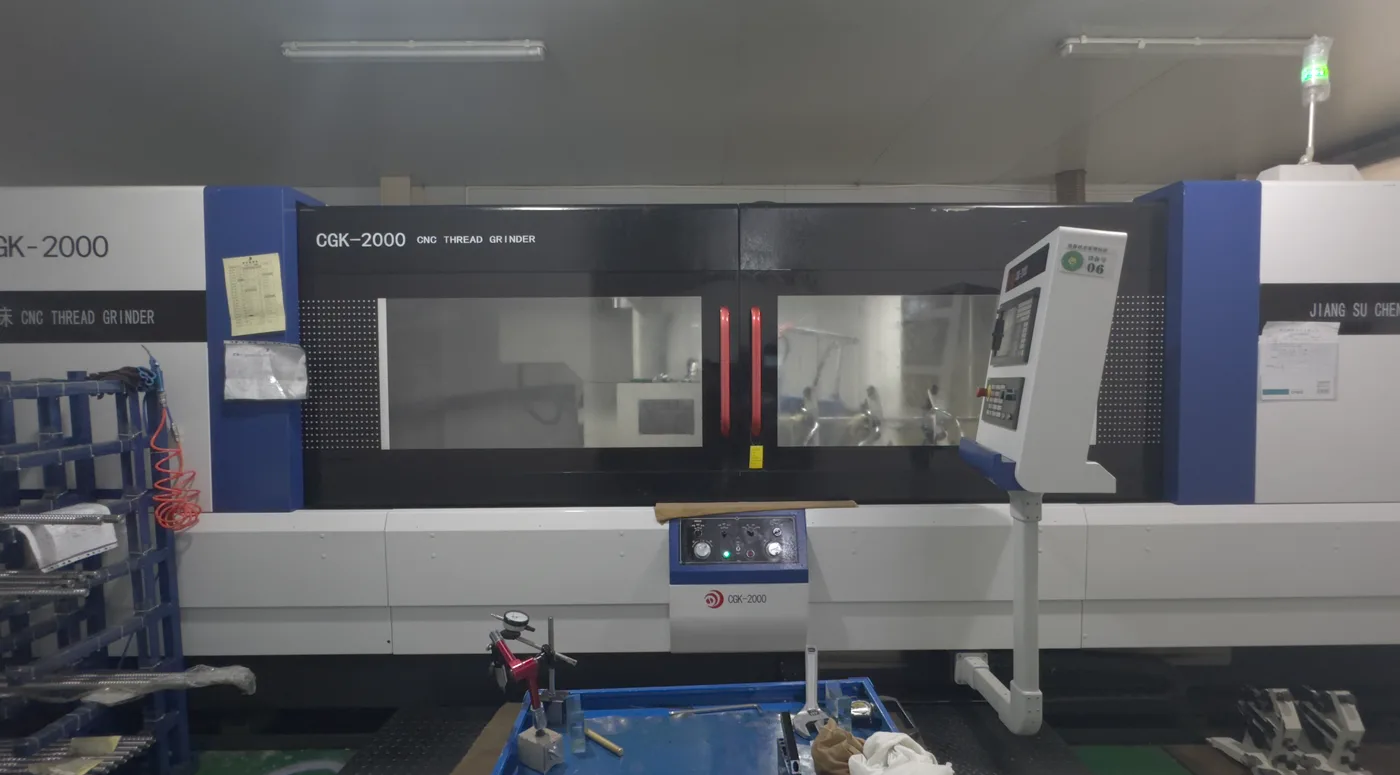
Vertical Z Axis Ball Screw: Load and Brake Selection
A vertical Z axis needs more attention to load, brake, and drop risk than a horizontal axis, so lead should not be selected by speed alone.
Send Z axis load and brake details