Woodworking dust is not an ordinary environment
Woodworking CNC dust enters the thread, the nut area and around the support units, and reduces smoothness and life over time. Do not send a model number alone: state whether there is dust extraction, whether a cover exists, the dust level and the cleaning frequency. For the sibling case, see stepper and servo details for a CNC router ball screw upgrade RFQ.
Wood dust is abrasive rather than merely dirty: inside the ball circuit it grinds between the balls and the raceway. The failure sequence runs from noise, to drifting position, to visibly increased backlash — and by the time the noise is audible, screw and nut usually have to be replaced together.
Choosing between four protection options
| Option | Suits | Trade-off |
|---|---|---|
| Bellows or telescopic cover | Full-stroke coverage, heavy dust | Needs installation space; the cover itself must be cleaned |
| Screw protection sleeve (spiral) | Tight space, short to medium travel | Limited coverage; the ends stay exposed |
| Nut wiper or seal | The base requirement for any option | Wears out and becomes a consumable |
| Positive air purge or extraction duct | Very heavy or continuous dust | Needs air supply and piping, adds a maintenance item |
Most woodworking machines run a cover plus wiper; machines short on space use a sleeve instead of a cover. The choice changes the nut housing space and the end dimensions, so it belongs in the RFQ.
Confirm the dust protection structure early
If the machine already has a bellows, telescopic shield, plate or other cover structure, describe the installation space and connection in the RFQ. The cover is not part of the ball screw, but it affects nut housing space, end dimensions and maintenance access.
Cleaning and lubrication set the maintenance cycle
A dusty environment needs a stated cleaning and lubrication habit — daily cleaning, weekly oiling, or the machine maintenance table. Too little lubrication accelerates wear, while too much grease captures chips, so describe the real condition.
A practical rhythm: blow dust every shift, check lubrication weekly, inspect the wiper monthly. Put those three lines in the RFQ and the supplier can tell whether you are a maintenance-capable buyer or a replace-only buyer — the quoting basis differs.
Photograph the nut seal and old-part condition
Photograph the nut seal, wiper, dust ring, oil hole and flange area up close. If the old part is sticking, noisier or shedding wear powder, describe the symptom so the supplier can judge whether to adjust the protection as well as replace.
Pre-shipment checks reduce arrival disputes
Repair parts for dusty machines usually need to be installed quickly. The pre-shipment check should cover product photos, nut movement, end protection, labels and packing condition, so a missing protection part, a reversed nut or a quantity difference is not discovered after arrival.
Application decision table
| Dust-related condition | What to request | Why it matters |
|---|---|---|
| Open screw near cutting area | Cover or shield space | Reduces dust entering the nut path. |
| Sawdust mixed with oil | Cleaning and lubrication plan | Prevents abrasive paste around the screw. |
| Frequent maintenance issue | Nut seal check and pre-shipment check | Confirms visible protection before delivery. |
| Distributor repair stock | Standard model plus protection notes | Helps local technicians avoid repeat failure. |
RFQ checklist
- Machine type, axis, travel, model, quantity, and whether it is repair or upgrade.
- Dust condition: woodworking CNC dust level, chips, cleaning frequency, and lubrication method.
- Protection parts: cover, shield, nut seal, wiper, and installation space.
- Screw details: diameter, lead, length, nut type, support unit, and end machining.
- Request pre-shipment check photos for nut seal, cover-related dimensions, labels, and packing.
Send us the dust protection context
Send weimute photos of the installation area, dust exposure, old nut seal, and current cover space. Our manufacturing and sales team can quote the screw while flagging protection details that affect service life.
FAQ
Can a ball screw work in woodworking dust? Yes, but dust protection, cleaning, lubrication, cover design, and nut seal condition must be managed. For a woodworking CNC upgrade, see stepper and servo details for a CNC router ball screw upgrade RFQ.
Should protection be discussed before shipment? Yes. A pre-shipment check helps confirm the product and packing match the maintenance plan, and a missing or wrong protection part shows up there first.
Does a cover cost travel? It occupies space at both ends, so confirm it early on long-travel machines: the compressed length of the cover has to fit inside the overall length and installation space.
Next step
Turn this guide into an RFQ
When the specification direction is clear, send the details below together with quantity, lead time, and packing requirements.
Include these details
- Model, diameter, lead, accuracy grade, or target application.
- Load, speed, travel, mounting method, and matching rail or support-unit needs.
- Quantity, lead time, packing, and whether inspection records or shipment photos are needed.
Category
Related Technical Guides
Continue with similar buyer questions
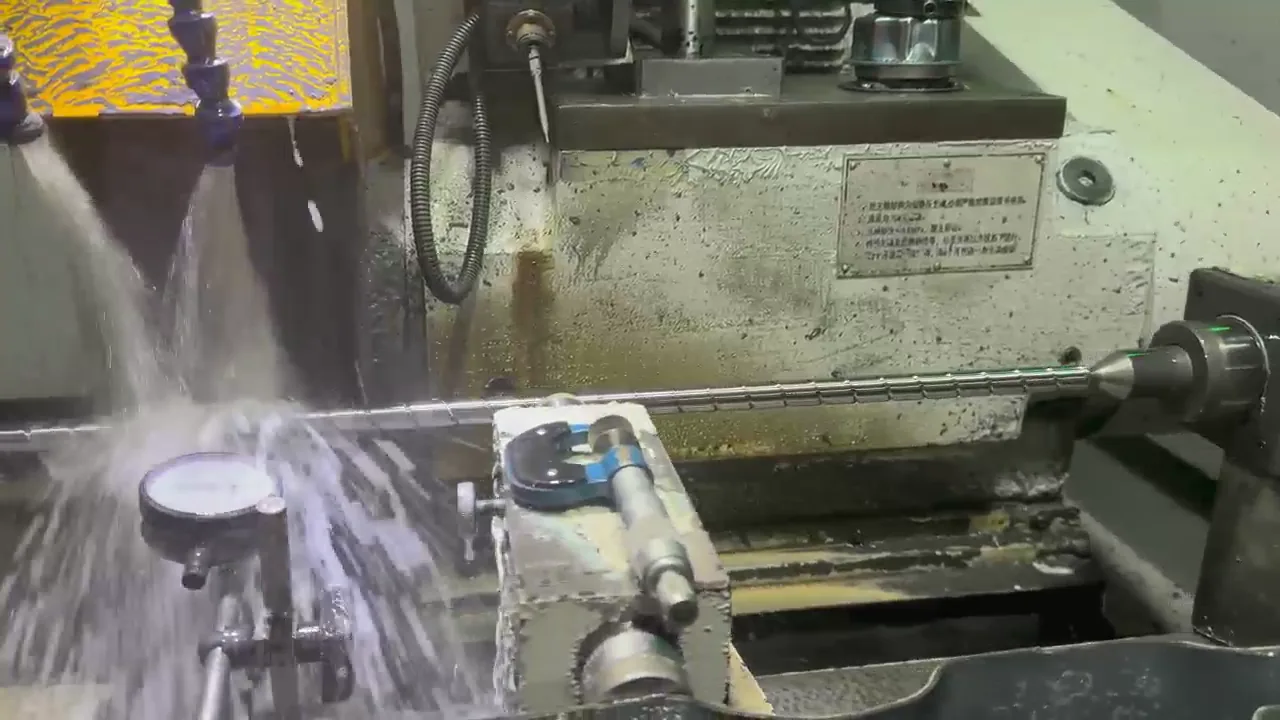
How to Lubricate a Ball Screw: Grease or Oil, and How Often
Choose grease or oil by speed, dust, heat, and downtime, then set the interval from the maintenance schedule.
Send operating conditions and lubrication needs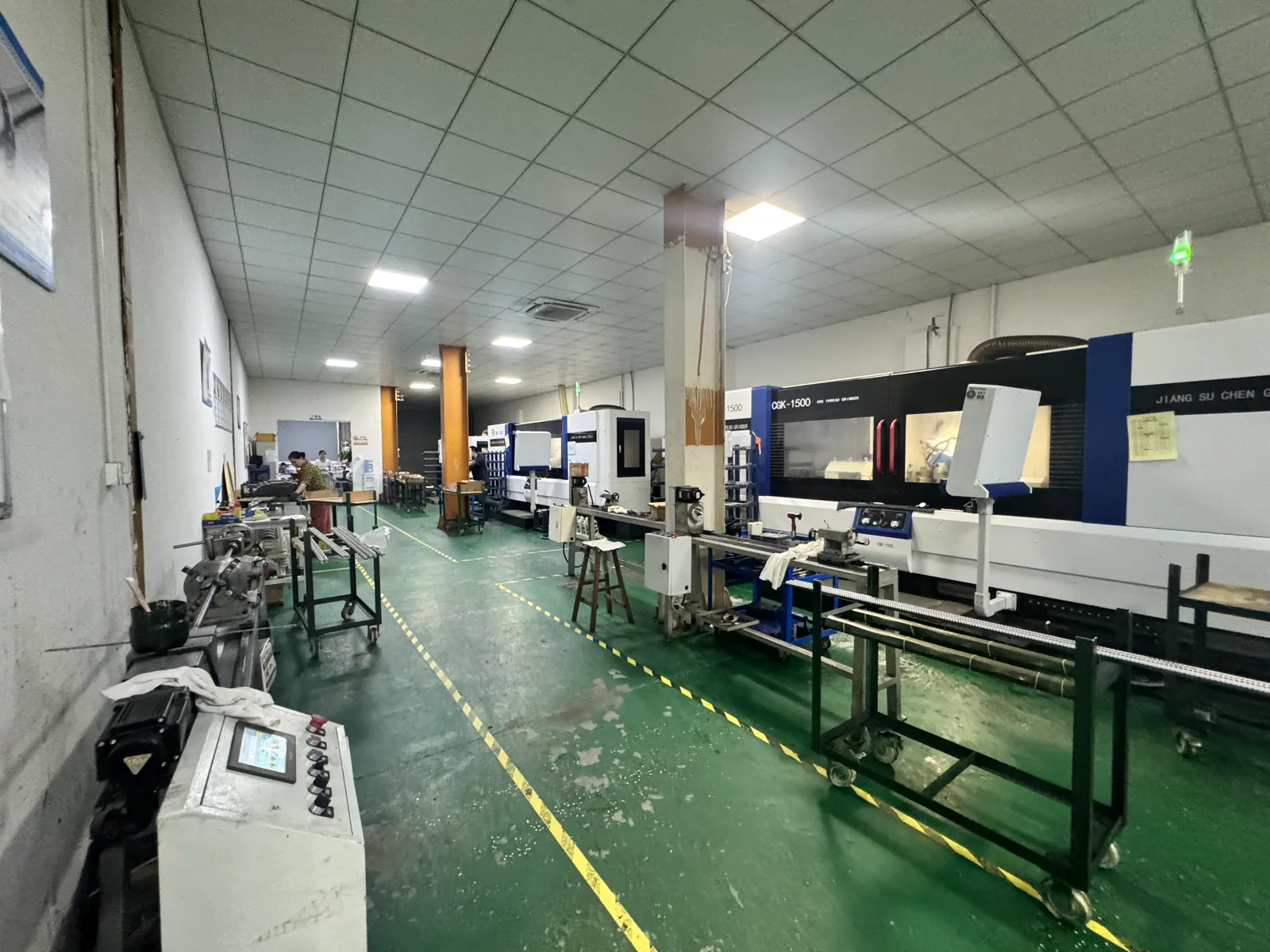
Automation Ball Screw RFQ: How to State Application Parameters
An automation-equipment RFQ needs application parameters alongside the model, accuracy, lead-time, and packing requirements.
Send automation application parameters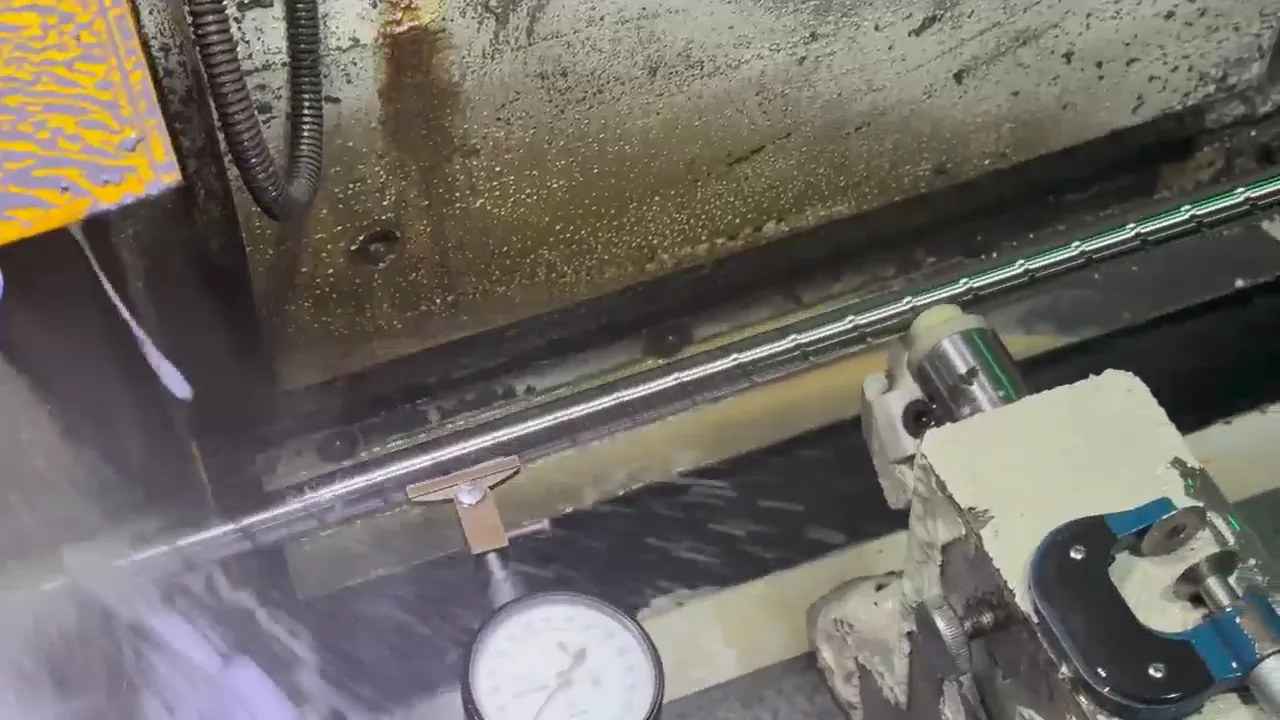
Laser Cutting Machine Ball Screw: Speed and Accuracy RFQ
Laser cutting machine ball screw selection should balance speed, accuracy, dust protection, and heat effect, so the RFQ should describe the application environment.
Send laser machine parameters