Buyer decision table
| Custom requirement | What to confirm | Common quotation risk |
|---|---|---|
| End machining | Bearing seat size, thread, keyway, shoulder, tolerance | Missing dimensions delay production review. |
| Nut selection | Flange shape, hole pattern, preload, lubrication | Wrong nut style can block assembly. |
| Accuracy and backlash | C7/C5 target, preload request, inspection report | Over-specified accuracy increases cost and lead time. |
| Export packing | Length, rust prevention, wooden case, hard tube | Long screws need anti-bending support. |
RFQ checklist
- Drawing: PDF plus editable file if available, with all end machining dimensions visible.
- Working conditions: machine type, load direction, speed, stroke, duty cycle, and environment.
- Product details: diameter, lead, overall length, nut type, support unit plan, and accuracy grade.
- Quality documents: inspection report, material certificate, photos, or video confirmation if required.
- Commercial details: quantity, target delivery date, destination, packing standard, and payment terms.
Send us your custom RFQ package
Send weimute the drawing and checklist together. Our manufacturing and sales team will separate confirmed points from open questions, then reply with manufacturability notes, quotation items, and any drawing risks before production.
FAQ
Can weimute quote without a complete drawing? Yes for early budget checks, but production quotation needs end machining dimensions and nut confirmation.
Should I ask for C5 accuracy by default? No. If the machine does not require ground precision, C7 rolled ball screws may reduce cost and lead time.
Minimum fields for a quotable RFQ
| Field | Example | Why it matters |
|---|---|---|
| Model | 2005 | Confirms diameter and lead |
| Overall/thread length | 850 / 600 mm | Defines material and machining scope |
| Nut and quantity | Single nut, 4 pcs | Calculates matching parts and batch size |
| End machining | Drawing or old part | Confirms process and inspection |
Submit the details through the RFQ form and review custom ball screw service.
Next step
Turn this guide into an RFQ
When the specification direction is clear, send the details below together with quantity, lead time, and packing requirements.
Include these details
- Model, length, quantity, purchase purpose, and target lead time.
- Drawing, sample photos, application parameters, or old-part dimensions.
- Packing, label, inspection, and quotation version to confirm before payment.
Category
Related Technical Guides
Continue with similar buyer questions
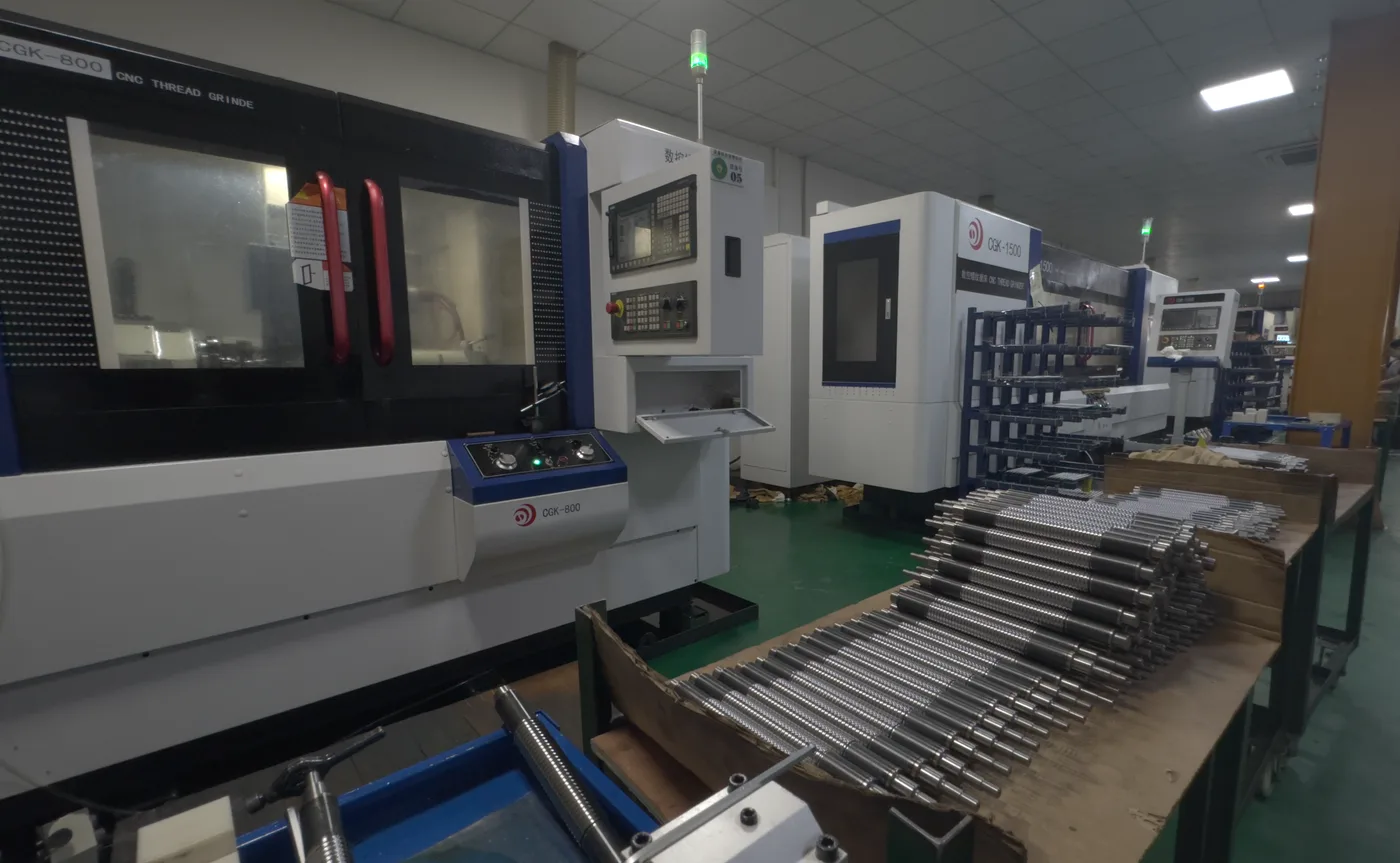
Ball Screw RFQ: With Drawing vs Without Drawing
With a drawing, confirm revision and tolerances; without one, provide old-part photos, measurements, and application information.
Send drawing or old-part details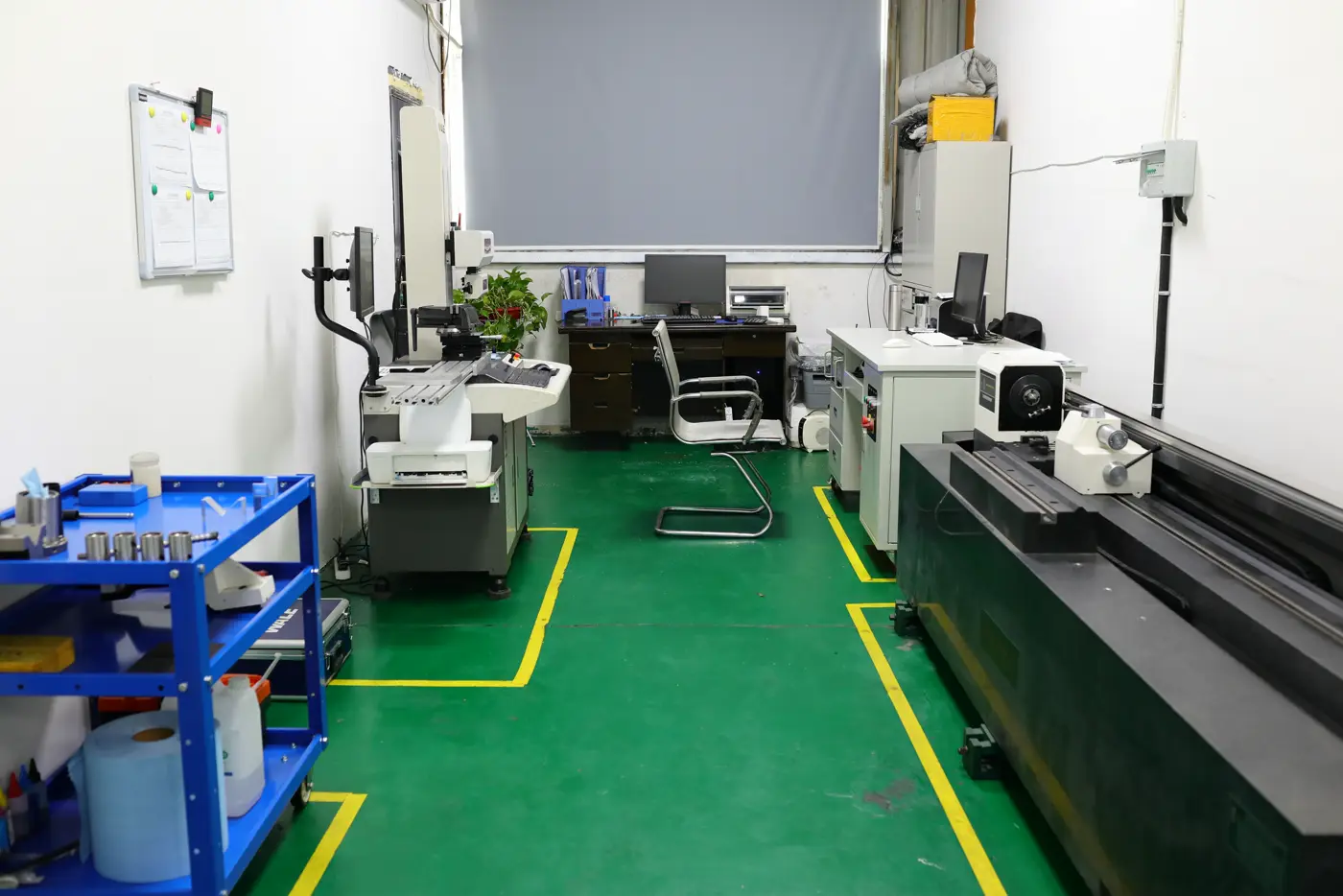
How to Check Ball Screw Quotation Items Before Ordering
After receiving a ball screw quotation, buyers should compare more than unit price and confirm specification, machining, packing, and lead time boundaries.
Send quotation confirmation details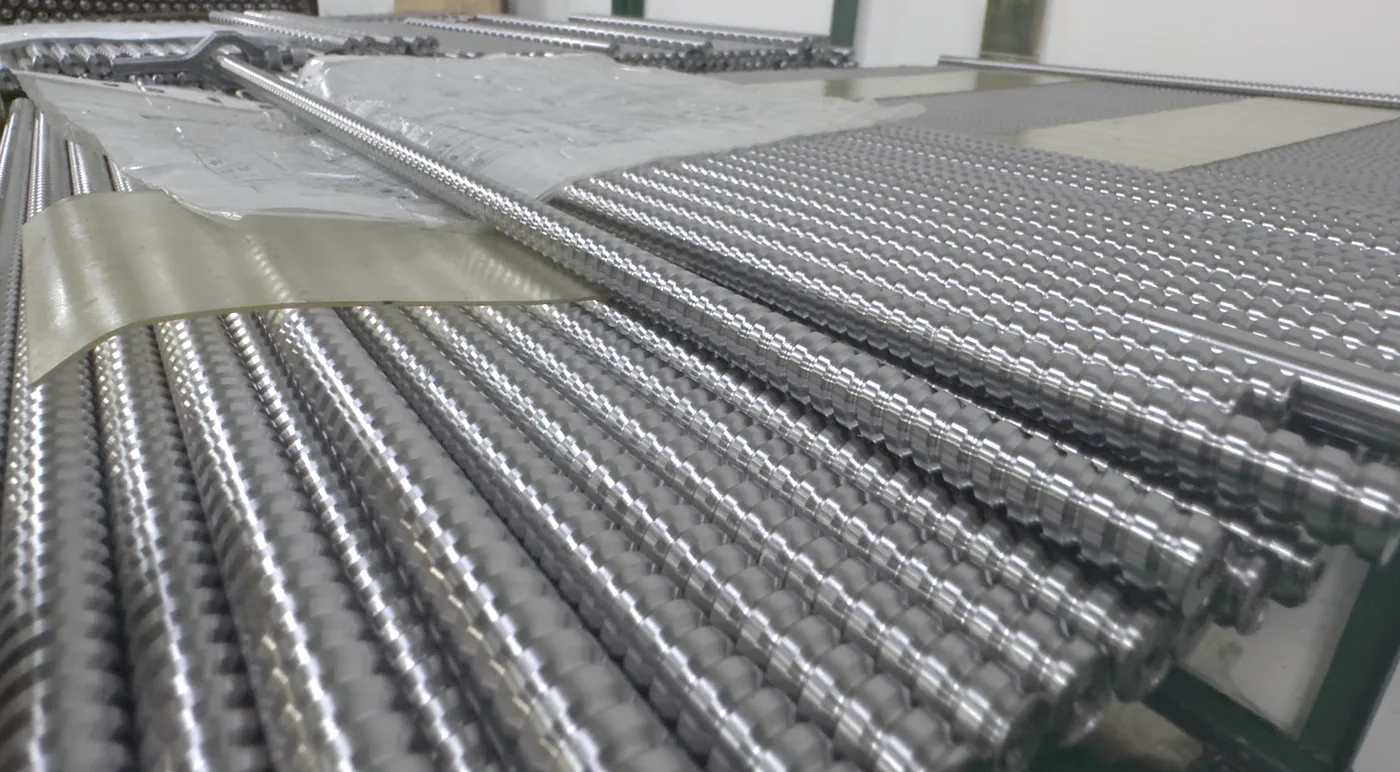
How to Send a Repeat Ball Screw Order RFQ List
Repeat orders still need previous order number, model list, quantity, drawing revision, labels, packing, and a new lead time plan.
Send repeat order list