Buyer decision table
Confirm the BK/BF support model before machining the shaft ends. A support-unit model or drawing must be checked before shaft-end machining because fixed-side and support-side dimensions vary by the assembly.
| Assembly point | What to confirm | Risk if skipped |
|---|---|---|
| Fixed side BK | Bearing seat diameter, shoulder, thread, lock nut | Screw may not clamp correctly. |
| Supported side BF | Support diameter and length | End may not fit the support unit. |
| Overall length | End machining plus thread length | Stroke or mounting position may shift. |
| Nut orientation | Flange direction and lubrication access | Assembly may conflict with the machine layout. |
| Position | Common role | What to confirm |
|---|---|---|
| BK fixed side | Takes the axial location, usually the critical one | Bearing seat diameter and length, shoulder, lock thread, groove, face distance |
| BF supported side | Supports the rotating end | Bearing seat, end length, chamfer, mounting space |
| Coupling end | Connects motor or gearbox | End diameter, length, keyway, clamping space |
| Related structure | Affects installation accuracy | Support unit brand, coupling model, linear guide or module structure |
The fixed side carries the risk
The fixed side usually carries the bearing seat, shoulder, thread and locking arrangement. Any one dimension wrong can stop the bearing from seating, leave preload unstable, or shift the coupling position. For a repair without a complete drawing, photograph both old ends, the support unit nameplate, the nut flange and the installed position first, then measure.
Three failures come up most:
- Bearing seat given as "about right": bearing seat tolerance comes from the support unit manufacturer's drawing, not a general standard, so the same model can differ by a few hundredths between brands. Copying a worn part gives either a loose or an oversized fit.
- Lock thread that does not match the lock nut: thread specification and lock nut have to be confirmed as a pair, or preload cannot be established.
- No datum face stated: every length dimension needs a datum (usually the motor end or the fixed-side face). Without it the machinist can only guess.
RFQ checklist
- Send the BK/BF model or support unit drawing if already selected.
- Confirm screw diameter, lead, total length, thread length, and nut type.
- Provide both fixed-side and supported-side end machining dimensions.
- Mark bearing seat tolerance, thread specification, keyway, and lock nut requirements.
- Include quantity, application, destination, packing, and inspection report needs.
What buyers should compare before requesting a quote
- Machine accuracy and repeatability requirement.
- Screw diameter, lead, travel, speed, load, and mounting orientation.
- Required grade, preload or backlash requirement, end machining, inspection, quantity, and delivery target.
Send us the support unit plan
Send weimute your BK/BF support unit model and end machining drawing together. Our BK/BF end machining service team will check whether the drawing matches the support units before quoting production.
FAQ
Can I choose BK/BF after ordering the screw? It is safer to confirm support units before machining, because shaft-end dimensions depend on them.
Can I machine from the support model alone? Use it as a reference, but do not machine from the model alone. BK/BF dimensions differ between brands, so send the brand, drawing or old-part dimensions as well.
Does weimute need the whole machine drawing? Usually no. The end machining drawing, support unit model, nut orientation, and total length are enough for quotation review.
How long does end machining take? Cutting stock bar (4–6 m by model) and machining the ends runs about 3–7 days depending on machining volume and difficulty; a ground part made fresh from a drawing runs about 35–60 days depending on model and quantity.
Next step
Turn this guide into an RFQ
When the specification direction is clear, send the details below together with quantity, lead time, and packing requirements.
Include these details
- Support-unit model, end drawing, or old-part end photos.
- Bearing journal, shoulder, lock thread, keyway, and coupling-end dimensions.
- Overall length, thread length, quantity, inspection, and packing requirements.
Category
Related Technical Guides
Continue with similar buyer questions
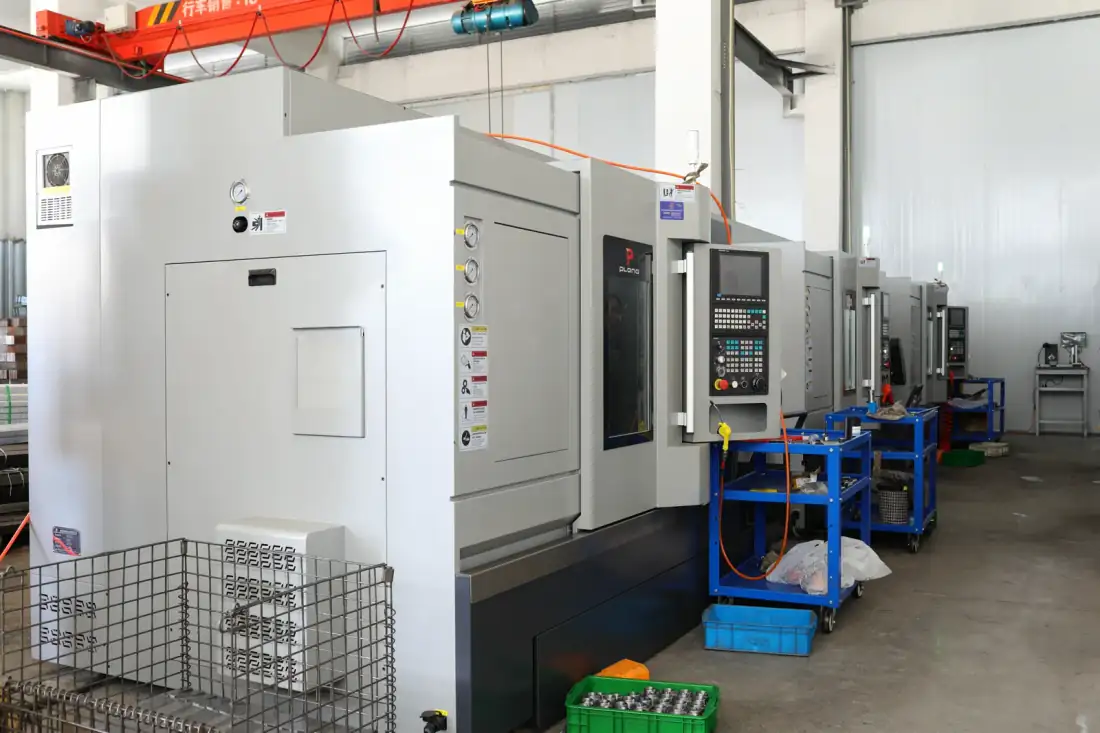
BK/BF Ball Screw Support Unit Selection Guide
Before end machining, confirm the support-unit model, screw diameter, bearing journal, coupling end, and installation space.
Send support unit model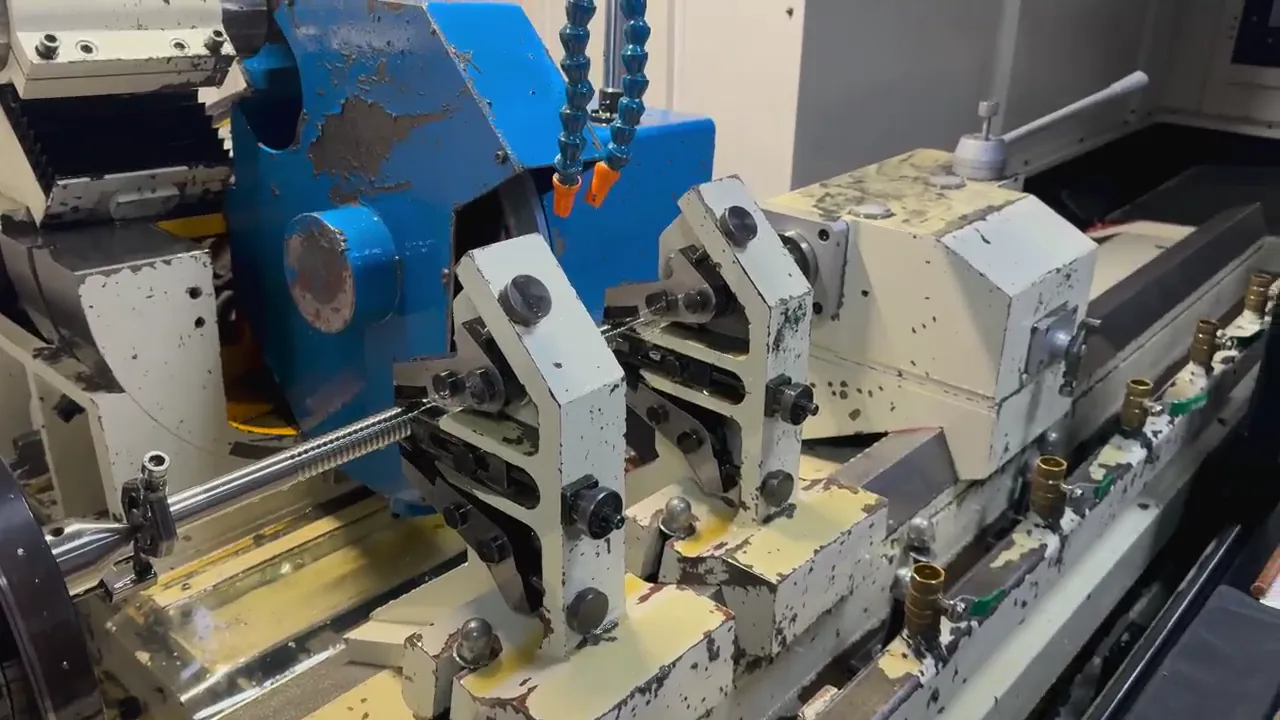
BF Ball Screw Support Unit Suppliers: Buying Guide
For a BF support-unit RFQ, state the model, shaft journal, lock thread, coupling end, and installation space.
Send support unit RFQ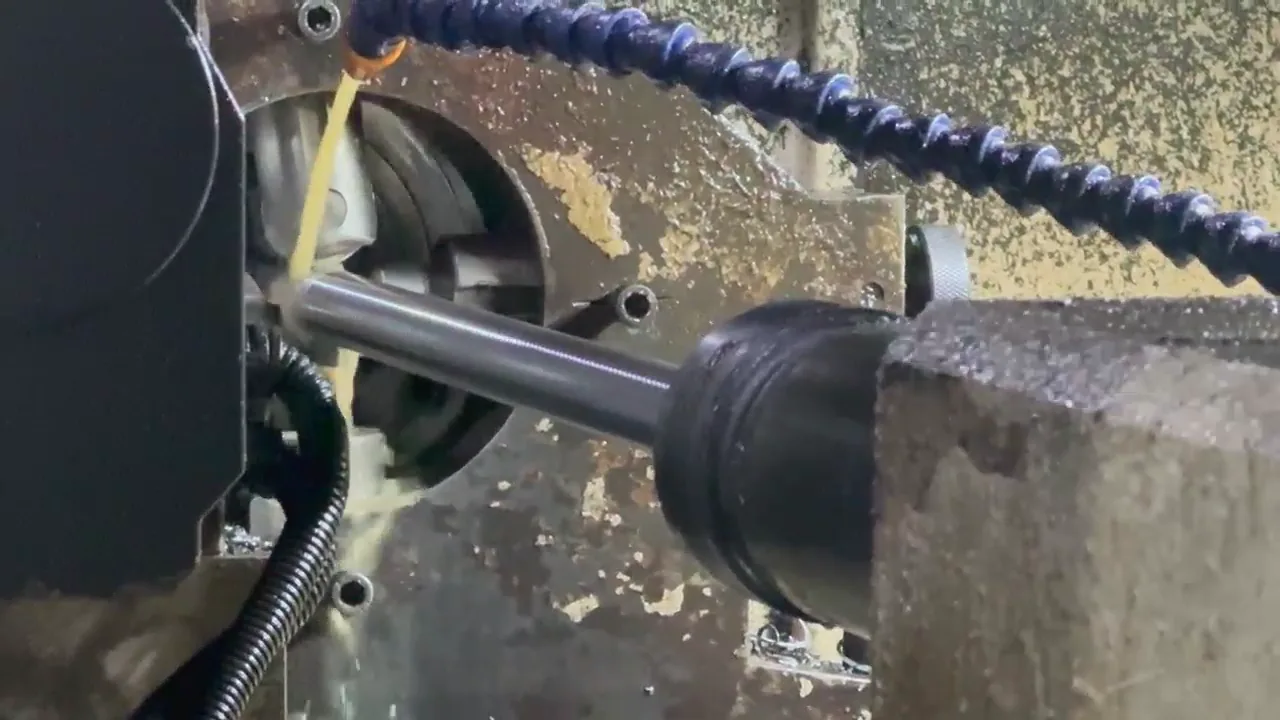
How to Measure Ball Screw End Machining Dimensions
Break end machining dimensions into measurable items so buyers can prepare an RFQ without a complete drawing.
Send end dimensions